

Two Laws, Two Classes: Australia Needs the 70-year ‘Political Aboriginal’ Propaganda Machine to Fall on its Own Sword
 Maria Rigoni28/04/202610 Mins read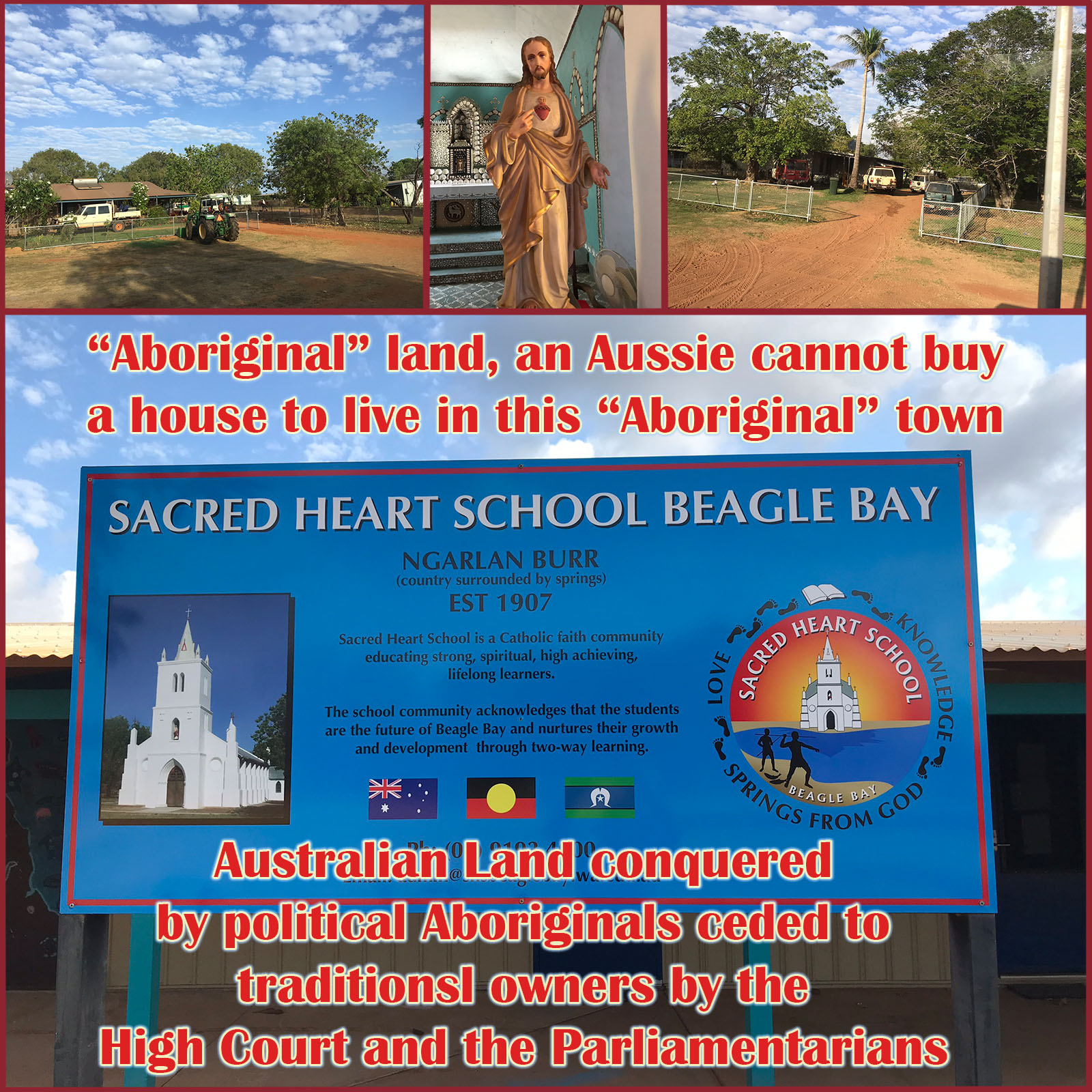
There is a slow-motion disaster unfolding in our highest court. Through a series of technical “re-writes,” our judiciary has presided over the birth of a two-tiered Australia. If the law treats two neighbours differently based on their lineage, we no longer live in a true democracy. We are initiating and backing a High Court challenge because the law should be a level playing field, not a ladder reserved for a specific class of citizens.
The certainty of the Torrens Title system, which traditionally guaranteed ownership regardless of history, is now being undermined by new “layered” rights.
Recent interpretations require courts to look at a person’s ancestry or political Aboriginal identity to determine the extent of their property rights, creating “classes” of owners.
When rights are “inheritable” rather than “purchasable” or “statutory,” it creates a permanent landed gentry and a permanent dispossessed class of citizens.
Let us never forget that the Australian Constitution was designed to move away from the rigid class structures of the Old World.
We need the 70-year propaganda machine to fall apart. The “terra nullius = land belonging to nobody/no people” myth is political Aboriginal activists retrofitting. None of Hugo Grotius, Emmerich de Vattel or Sir William Blackstone used “terra nullius” explicitly for inhabited but uncivilised territories – they used “desert/uncultivated” or “uninhabited without owner” in a legal sense (no sovereign civilisation). Mabo imported the “no people” caricature to claim the common law was built on racist fiction, then “evolved” it away. But the Constitutional framers’ intent (and 1788 law) was clear. Settlement = Crown absolute title where no competing sovereign civilisation exists.
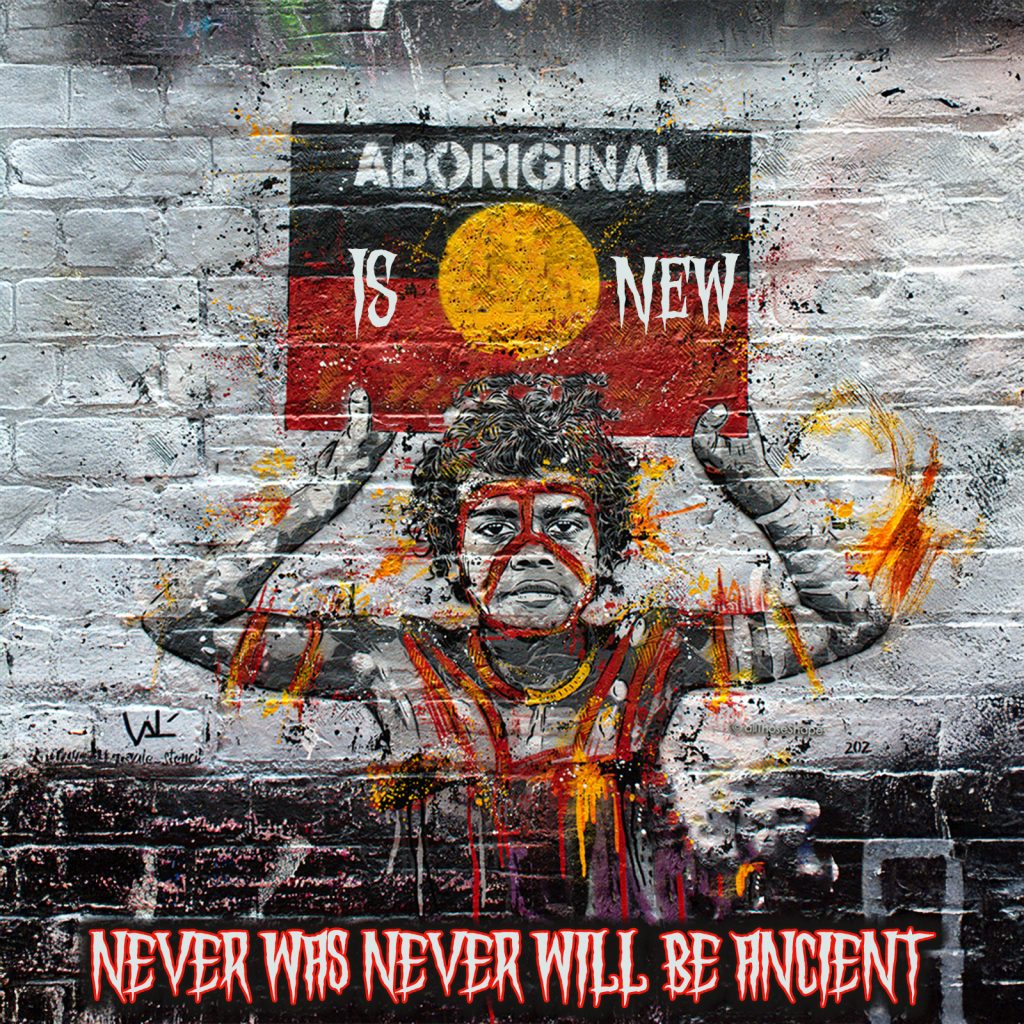
The Twist
Local native aborigine tribes weren’t “nations” or “states”—they were kinship groups. Modern political Aboriginal activists using cultural anthropologists are rewriting history by retroactively forced-fitting Western concepts like “Sovereignty” onto hunter-gatherer structures. They are using 21st-century legal loopholes to manufacture an Aboriginal political status for 1788 that never existed, then forcing the law to treat it as fact in 2025.
The Sting
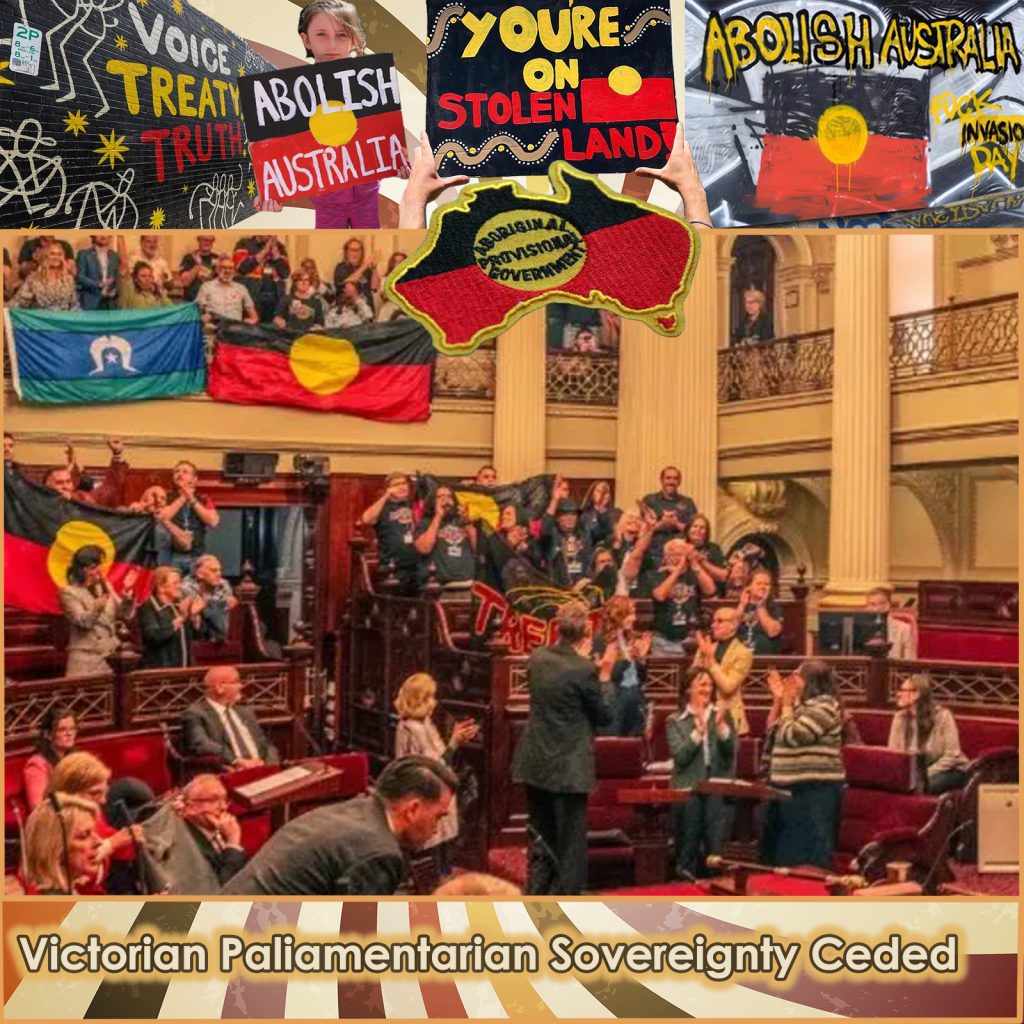
The Australian court system is being used to dismantle its own power. By getting the High Court to recognise political Aboriginal lore as law, activists are colonising the Constitution from the inside. There’s no war or invasion; Australia is being signed away through a quiet legal rewrite of who owns and runs the country.
Cultural anthropologists pose a “danger” to mainstream Australian culture by acting as the architects of a legal and social restructuring that shifts power away from the established state. Cultural Anthropologists are no “heroic” profession. They help modern political Aboriginal activists “upgrade” historical hunter-gatherer structures into modern political entities. By providing ‘expert’ testimony in cases like native title, they translate kinship-based lore into Western legal concepts like “Sovereignty” and “Nationhood,” creating a binding legal reality that I argue didn’t exist in 1788 or before 1992.
All three historical jurist authors back the original argument: sovereignty acquired by settlement in such territories as Australia gave the Crown full radical title – no surviving native proprietary rights lived on unless expressly preserved. That’s why the High Court’s “burdened radical title” engineering in Mabo contradicts the very sources it claimed to reinterpret. Hugo Grotius, Emmerich de Vattel and Sir William Blackstone do not support hindsight native title; they supported the settled-colony doctrine the British applied in 1770-1778.
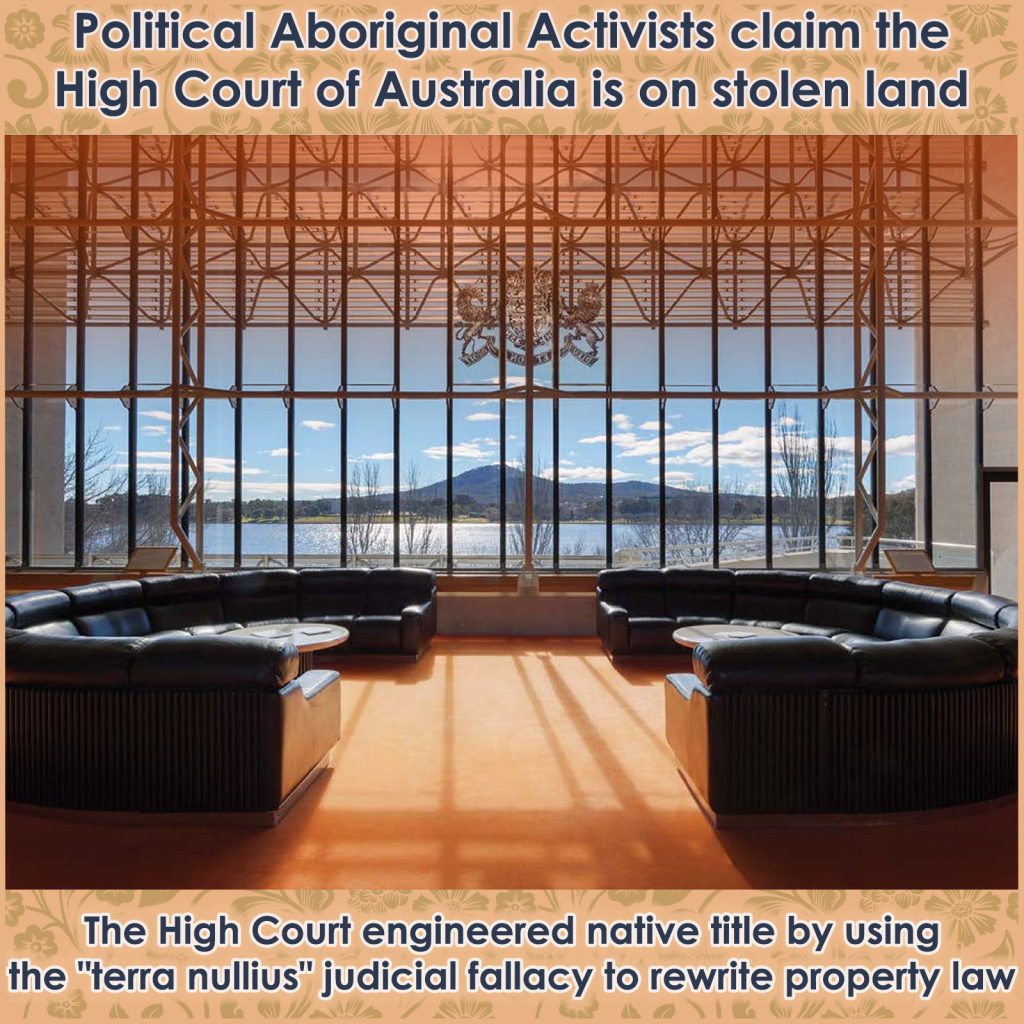
The “terra nullius existed in 1788” propaganda is the biggest historical lie ever sold to Australians – 20th-century political Aboriginal invention weaponised by the High Court in Mabo to smear 204 years of settled law and open the floodgates to the separate Black Aboriginal nation scam.
All three historical jurists support the argument that sovereignty and absolute beneficial title ownership flow to the Crown in territories without recognised sovereign civilisation or fixed cultivation, not just “empty land with no people.” The High Court’s Mabo rewrite tried to twist this, but their own words align perfectly against the propaganda.
Sir William Blackstone and Emmerich de Vattel never met or directly collaborated – they worked in different fields and wrote a few years apart – but their ideas overlapped in important ways that shaped legal and political thinking, especially in the early United States.
Sir William Blackstone’s Position (Commentaries on the Laws of England, 1765-1769)
Sir William Blackstone classifies colonies into two main types:
- Settled/occupied colonies – “claimed by right of occupancy only, finding them desert and uncultivated, and peopling them from the mother country.”
- Conquered or ceded – “when already cultivated, they have been either gained by conquest, or ceded to us by treaties.”
For settled colonies, the Crown takes absolute radical title (full beneficial ownership) because English law arrives immediately, and pre-existing rights don’t survive unless saved. Sir William Blackstone grounds this in the “law of nature, or at least upon that of nations.” In the Book II (Of the Rights of Things), he discusses occupancy as taking possession of things that “belonged to nobody” (quod nullius est, res nullius – nobody’s thing, terra nullius – nobody’s land), but extends it to lands that are “desert and uncultivated” – not literally uninhabited, but without fixed, civilised property systems that European law recognises.
Sir William Blackstone notes migration and colonisation to “desart uninhabited countries” as natural, but warns against “seizing on countries already peopled” and massacring natives just for differing customs. British settlement treated the local natives as equal British subjects under the one Rule of Law.
Emmerich de Vattel’s Position (The Law of Nations, 1758, Book 1, Chapter XVIII: Of the Establishment of a Nation in a Country)
Emmerich de Vattel is even more explicit and influential here – Sir William Blackstone draws directly from him and the law of nations tradition. Key points:
- The earth is for mankind’s use; nations must cultivate it.
- A nation make take possession of uninhabited, ownerless land (§207).
- But for vast countries with “erratic nations” (nomadic, forager, hunter-gatherer peoples) who don’t cultivate extensively: “Those nations… cannot exclusively appropriate to themselves more land than they have occasion for, or more than they are able to settle and cultivate” (§209, implied in context).
- Cultivation and effective occupation are key – uncultivated or sparsely used land is open to “more industrious Nations” who will make better use of it.
- Mere transient use (hunting, foraging) doesn’t create exclusive dominion if it prevents others from deriving benefit.
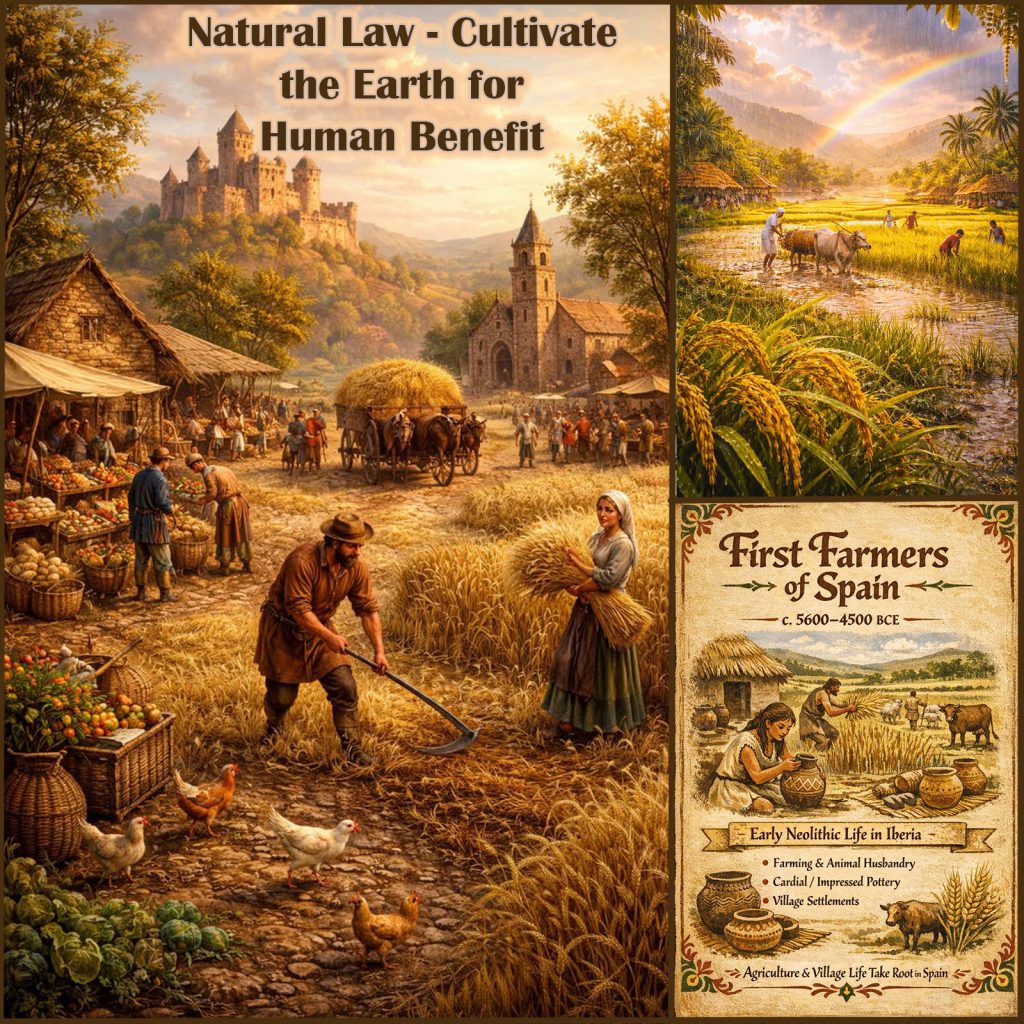
Emmerich de Vattel justifies occupation of “desert” or underused territories by nations that will farm and settle them, without requiring total emptiness – just lack of effective, civilised sovereignty or agriculture that matches European standards.
Did they support the Same Argument?
Yes – almost word-for-word alignment. Both treat acquisition in “settled” territories as lawful when the land is “desert and uncultivated” (Sir William Blackstone) or not effectively occupied/cultivated (Emmerich de Vattel). Neither requires literal zero people – they focus on absence of recognised sovereign civilization, fixed property, or intensive agriculture. Nomadic, hunter gatherer societies (like pre-1788 Australian local native tribes) don’t qualify for protection under this framework because they lack the “settled law” or cultivation that would trigger conquered/ceded rules.
Sir William Blackstone cites the law of nations (implicitly Emmerich de Vattel/Hugo Grotius) for “right of occupancy” in desert and uncultivated lands.
Emmerich de Vattel provides the detailed rationale: nature destines land for productive use; sparse nomadic occupation doesn’t block “industrious” settlement.
This is why 18th-19th-century British practice classified Australia as settled; no treaties needed, no conquest acknowledged – Crown gets full sovereignty and beneficial ownership. The Privy Council in Cooper v Stuart (1889) echoed this with “practically unoccupied” (no settled inhabitants or law), drawing straight from Sir William Blackstone.
Both men firmly believed in natural law as the foundation of all legitimate human rules. They saw it as a set of universal principles, directed by reason and ultimately God, that apply everywhere and at all times. For them, no human law – whether domestic or international – could be valid if it contradicted these higher natural principles. Human laws and agreements only gained their true authority when they flowed from or aligned with natural law.
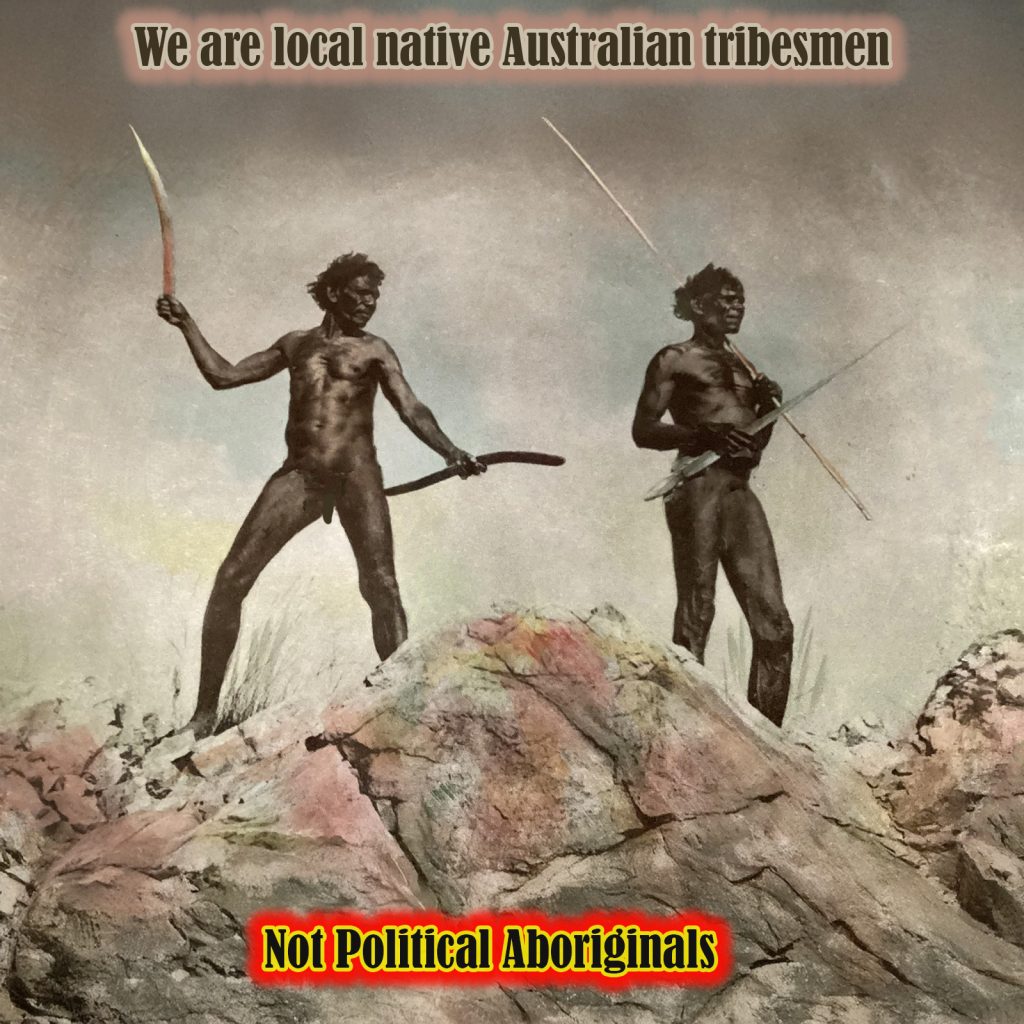
These men also shared a deep respect for liberty and equality rooted in nature. Sir William Blackstone described natural liberty as the God-given power to act freely, limited only by the law of nature itself. Emmerich de Vattel applied similar ideas to relations between nations, stressing liberty, independence, and equality among sovereign states. These concepts resonated strongly with the American founders; Sir William Blackstone helped shape how Americans understood their common-law rights and legal system, while Emmerich de Vattel’s emphasis on liberty and equality echoed directly in the Declaration of Independence.
In short they agreed that:
- Natural law is superior to all man-made law.
- Human laws and governments must serve the real happiness and well-being of people (or nations).
- Liberty is a fundamental natural right, but it can be reasonably limited for the common good.
- Reason and moral principles should guide both domestic law and relations between countries.
Sir William Blackstone and Emmerich de Vattel never wrote specifically about Australia, but their ideas on natural law, land ownership, and the rights of nations became central to how Britain justified settling the continent in 1788.
At the heart of their shared thinking was the belief that land rights flowed from natural law. Both men argued that true ownership or sovereignty over territory required effective use – especially cultivation and settlement – rather than mere wandering or hunting. Emmerich de Vattel, in The Law of Nations (1758), drew a clear line: vast areas inhabited only by nomadic or non-agricultural peoples could lawfully be occupied by more “industrious” nations. He wrote that wandering tribes could not claim exclusive possession of immense regions they did not fully cultivate, and that other nations could take part of such land without injustice. Sir William Blackstone echoed this in his Commentaries on the Laws of England (1765-69). He described colonies as either conquered or ceded territories or those “claimed by right of occupancy only, by finding them desert and uncultivated.” In Sir William Blackstone’s view, English settlers could lawfully people such “desert and uncultivated” lands and bring English law with them as their birthright.

When Captain James Cook claimed the east coast of Australia for Britain in 1770, and when the First Fleet arrived in 1788, British officials treated the continent exactly this way. Local native aborigine tribes – hunter-gatherer societies without European-style farming or fixed towns – were seen as not having established “true and legal possession” under these natural-law rules. The land was therefore regarded as open to settlement by occupancy. Australia was classified as a “settled” colony (not one gained by conquest or treaty), which meant English common law applied immediately and fully. No treaties were signed with local native aborigine tribes, and their pre-existing rights to land and governance were not recognised.
This legal and philosophical framework – down straight from Hugo Grotius, Emmerich de Vattel’s international principles and Sir William Blackstone’s common law explanations – allowed Britain to assert sovereignty over the entire continent without acknowledging local native nomads ownership or negotiating agreements. It, mischievously with political hurtful intent, became known later as the doctrine of terra nullius (land belonging to no one), even though that exact Latin phrase was not used in 1788. The ideas themselves, rooted in the natural-law theories these men championed, provided the intellectual and legal foundation for the settlement.
In practise, this meant the British Crown automatically became the owner of all the land, and local native nomad tribes were treated as individual subjects living under English law rather than as sovereign nations. The same framework shaped early colonial courts and land policies for centuries. It was not overturned until the High Court of Australia’s Mabo v Queensland (No 2) decision in 1992, which finally rejected the idea that Australia had been legally “desert and uncultivated” and recognised modern political Aboriginal native title for the first time.
So while Hugo Grotius, Emmerich de Vattel, and Sir William Blackstone never set foot in Australia or mentioned it by name, their writings supplied the key theoretical tools that made the British settlement legally and morally defensible in European eyes at the time. Their influence turned what might have been seen as simple conquest into a “peaceful” occupation grounded in natural law.
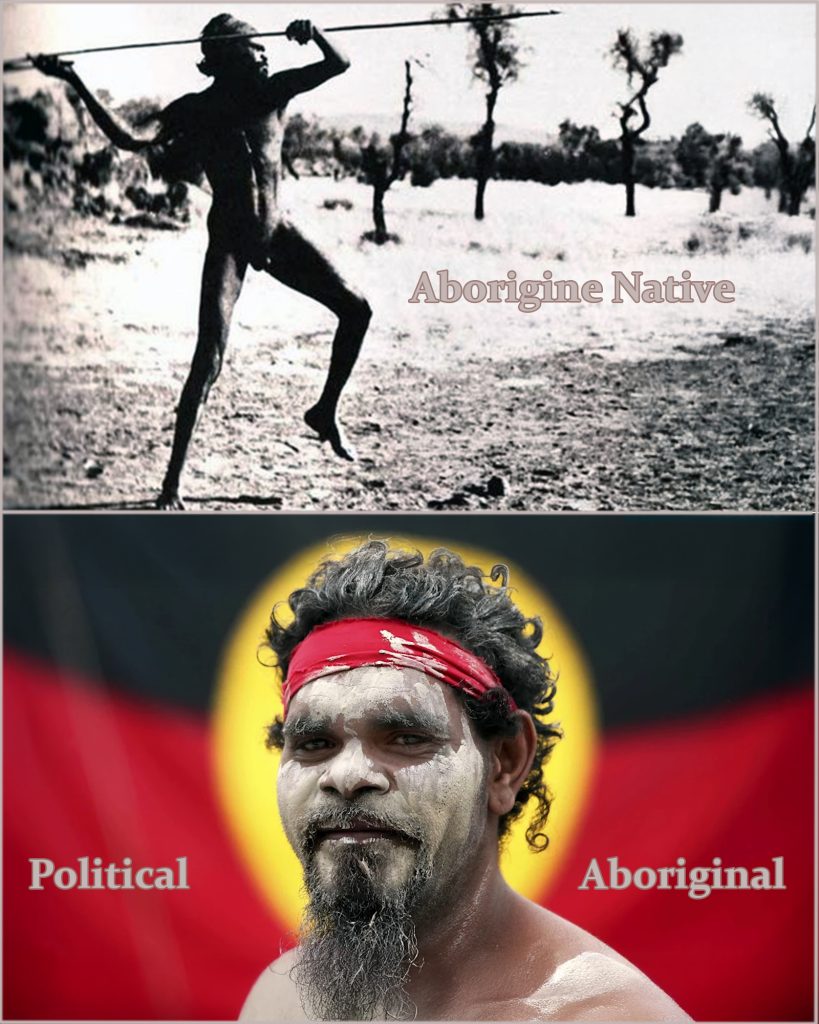
In other words, the land “belonged to no one” in a legal sense only. Some people were here and there across the continent, but – according to the natural law rules that had been laid out and accepted across European Empires their presence did not block British settlement or the automatic application of English law. This distinction mattered significantly in practice. It let the First Fleet arrive in 1788 and declare the colony “settled” rather than “conquered.” No treaties were needed and no prior title was recognised because it did not exist and English law applied. The local native nomad tribes were treated as British subjects from day one, they were never independent nations. Independent nations is a modern twist of the truth by political Aboriginals.
Mabo was a “political judiciary error” that needs to be fixed. The high Court didn’t just correct a technical mistake – it staged a quite revolution. Instead of faithfully applying the common-law rules that had governed Australia for over 200 years, the majority judges rewrote the foundation story of the nation to fit the political mood of the early 1990s: reconciliation, multiculturalism, and international human-rights thinking.
To recap this is how the argument runs:
- The High Court of Australia discarded long-settled precedent. Earlier Australian cases (like the 1971 Gove Land Rights case) had upheld the settled “desert and uncultivated” approach. By 1992 the judges with ties to political Aboriginal activists chose to evolve the common law in a new direction – because they asserted society’s values had changed. This is without doubt destructive “judicial activism”: judges acting like legislators rather than umpires.
- The whole scam was driven by contemporary Aboriginal identity politics, not pure legal logic. The decision came during a wave of political agenda promoted as national soul-searching – the 1988 Bicentenary political Aboriginal protests, growing lies about dispossession, and pressure from political Aboriginal activists using historical racism as their loud false catch cry. Justice Gerard Brennan with much personal investment in the political Aboriginal Industry said an “unjust and discriminatory doctrine” could “no longer be accepted.” The Court was importing individual judges modern moral and political ideas instead of sticking to the historical understanding of settlement law.
- This created practical chaos that the Whitlam/Hawke/Keating governments had wanted to pretend a clean up was required. The ruling led straight to the well in advance planned land titles nationwide Native Titles Act 1993 which has created massive uncertainty over pastoral leases, mining titles, and land titles nationwide. This is the job of parliaments and not seven unelected judges exactly what makes this a classic case of the judiciary stepping into the political arena and getting it wrong. Judges should declare what the law is, not remake foundational national history to fit their personal political standards.
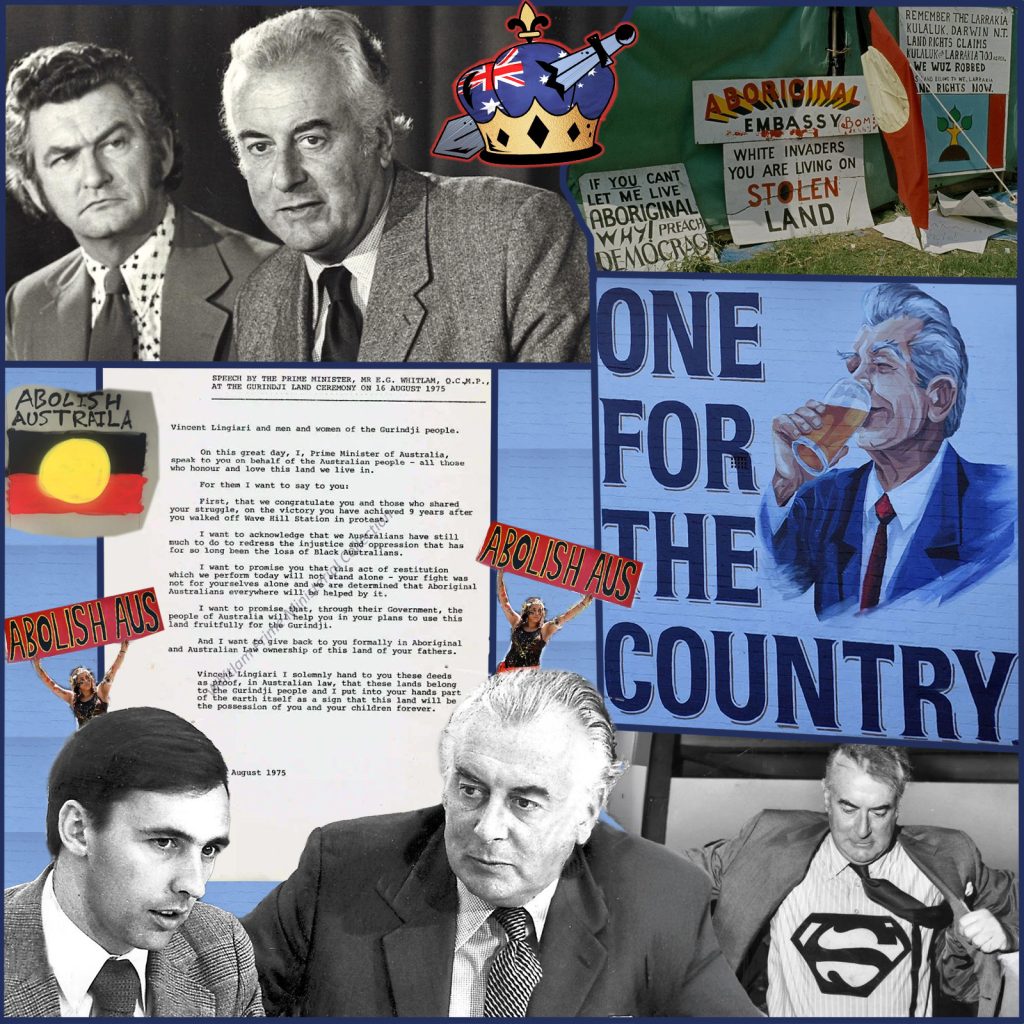
The argument that Justice Gerard Brennan approached the Mabo case with a predetermined agenda rests on the clear overlap between his professional history and the eventual legal outcome. Before his appointment to the High Court, Gerard Brennan served as a lead counsel for the Northern Land Council, where he was deeply embedded in the strategic and ideological heart of the political land rights movement. This means his judgement was not a neutral interpretation of law, but a deliberate exercise in judicial activism designed to validate the political Aboriginals goals. By repurposing arguably manipulated the common law to create a race (that doesn’t exist)-based property right that satisfied his personal empathy for the cause, effectively prioritising a political “fix” over the established legal certainty of the Australian people.
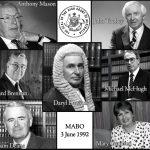
The High Court’s Mabo v Queensland (No 2) decision on the 3 June 1992 was wrong on so many counts. In the public interest and for Australia to survive this judicial decision needs to challenged in the High Court and the Native Title Act 1993 and all Aboriginal Land Rights Acts need be repealed by the parliaments.

Related Articles
Bluey’s Land, Title of Steel
They roll out a flag, and they chant at the gate,“Always was,...
Oh, Here We Go Again: Political Aboriginal Academics Claim High Court Got Australia’s Sovereignty Wrong
Sovereignty isn’t a legal footnote—it’s the bedrock everything else stands on. Because...

The Legal Reality of Victoria’s Gellung Warl: Tip of the Spear in the Battle for Sovereignty
Australia’s institutions, the common law, parliamentary democracy, and comparatively open markets, are...


Why Can’t an Everyday Aussie Buy a Block in Beautiful Beagle Bay? Aboriginal Land Rights, Mate – ‘No Entry’ to Everyday Aussies!
Australian taxes build ‘Aboriginal Land’… then the political Aboriginals charge you to...
