

The Great Betrayal: How a High Court Rewrite is Resurrecting Feudalism in Australia
 Maria Rigoni19/05/202611 Mins read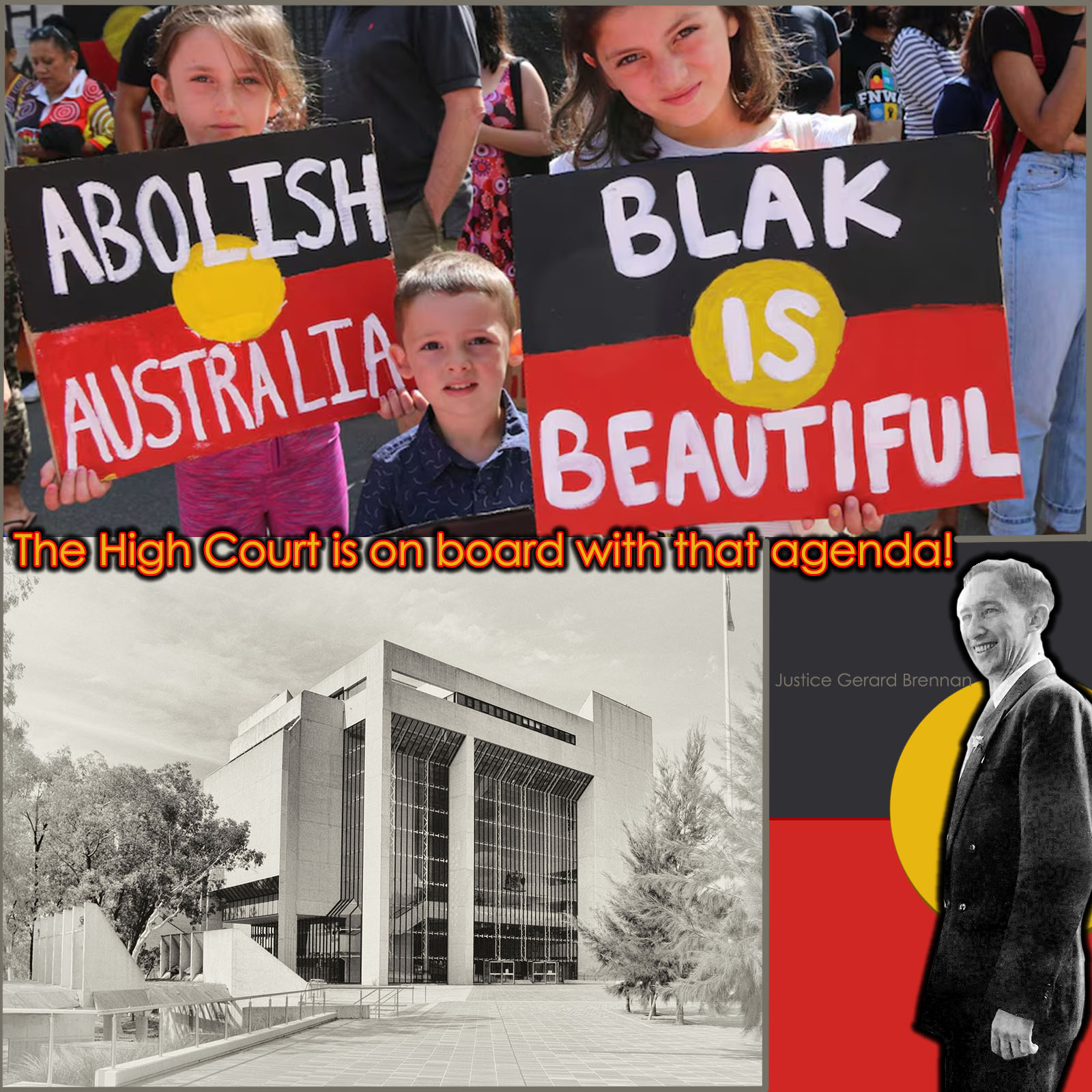
Australia’s founding promise was simple: one law for all. But a radical, quite shift in the High Court’s interpretation of property has effectively torn up that contract. By twisting land rights into a heritable hierarchy, the Court has replaced equal citizenship with a system of wolves in sheep’s clothing birthright privilege. We aren’t just fighting for land; we are fighting to stop the clock from being turned back centuries. A High Court challenge is our last chance to demand that property remains a human right, not a political bloodline.
Political Aboriginal activists now hold a very strong position. The High Court of Australia simply replaced one legal fiction with another. It ditched the modern conversation of terra nullius (“land belonging to no one”) and created a new one instead. The High Court recognised certain “rights and interests” in land under Native Title, but it deliberately did not recognise any separate sovereign government.
This produced a hybrid system: Political Aboriginal groups get special rights and interests over land, but the Australian government, for now, keeps full sovereignty and the illusion of control. As a result, political Aboriginal activists can enjoy the symbolism and “vibe” of sovereignty – the feeling of ownership and special status – without ever having to accept the real responsibilities that come with actual sovereignty, such as running a proper government, delivering services to their people, or achieving real economic self-sufficiency or overall prosperity for all citizens.
Instead of full independence or full equal integration as Australian citizens, this setup encourages a confused “dual identity”: some people claim to be part of a separate sovereign “First Nations” while still demanding all the rights, benefits and services of ordinary Australian citizens. I argue this undermines national unity.
The High Court’s Mabo v Queensland (No 2) decision on 3 June 1992 is a naked judicial coup dressed up as “evolution of the common law” – and the 4.29km sq of Mer Island (Murray Islands, Torres Strait) is where the whole fraud collapses under its own contradictions.
The matters decided by the High Court of Australia in the Mabo case should have been contested by the Commonwealth as a matter of public importance and interest to all Australians. However, the Labor government of the day failed to do so because that was its political agenda from the outset. The local islanders already possessed the right to fish, hunt, gather, garden and enjoy the land without holding individual ownership. Consequently, they held native title without any need for further legal clarification. Even today, the land does not belong to any single individual. In 1991, it was Crown land owned collectively by all Australians; the High Court altered this framework, ensuring the land now belongs exclusively to the vague vibe of Torres Strait Islanders as a collective group, rather than to the Australian public as a whole.
A question that needs to be answered is why would the High Court of Australia make such a deceitful to the will of the Australian peoples decision?
The understanding of the law at the time of settlement in 1788 according to the prominent legal expert William Blackstone at Blackstone (1857:125-6):
If an uninhabited country (and ‘uninhabited ‘means uninhabited by civilised people) be discovered and planted by English subjects, all the laws then in being – which are the birthright of every subject – are immediately there in force. But this must be understood with money and very great restrictions. Such colonists carry with them only so much of the English law as is applicable to their situation and the conditions of the infant colony.
The High Court pulled a shrewd legal switch.
They said the tiny Murray Islands (a part of Queensland in the Torres Strait, where Eddie Mabo came from but had not lived on for 19 years) were somehow different from the rest of Australia.
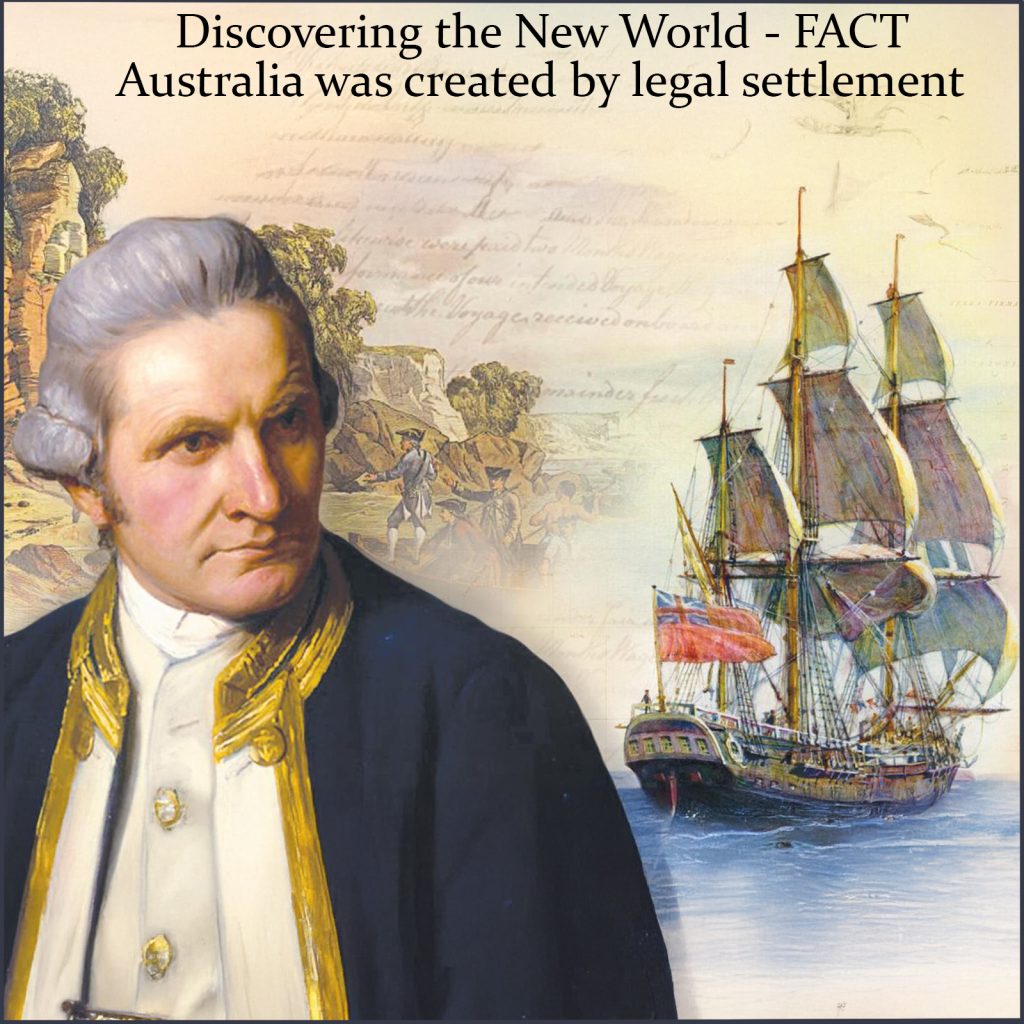
Back in 1788 Britain took the Australian mainland by “settlement” – the legal idea that the land was basically empty for the purpose of British law, so English law applied automatically and completely.
But in 1879 Queensland, as a British colony, separately annexed the Murray Islands.
What does “annexation” mean here?
Annexation simply means the formal act of a country (in this case Queensland/Britain) declaring that it is taking control of a territory and making it part of its own domain.
- It happened in 1879 for the Murray Islands when Queensland passed a law extending its boundaries to include them.
- Annexation is not the same thing as “settlement.” Settlement (1788) usually refers to establishing colonies by sending people to live there on land treated as unoccupied or without recognised sovereign government. Annexation is a broader legal step that can happen in different ways – by settlement, by conquest, by cession (treaty), etc. Queensland’s annexure of the Torres Strait Islands did not turn it into a conquered or ceded territory. Because it was done by a settled colony extending its own borders, the islands became governed under settled-colony law. The High Court majority in Mabo had to effectively override that historical classification to recognise what they labelled as surviving native title.
The heart of the Mabo v Queensland (No 2) 1992 controversy is that six High Court judges applied different legal classifications to the Murray Islands (annexed in 1879) than had always been applied to the Australian mainland (settled from 1788) without openly admitting they were creating a new distinction in how British colonial law operated.
- Mainland settlement (from 1788): Britain treated the Australian continent as a colony acquired by settlement. Under the common-law rules of the time, this meant there was no prior sovereign ruler or system of laws that the British Crown was required to recognise. English common law therefore applied automatically and in full – “lock, stock and barrel” – and the Crown acquired absolute beneficial ownership of all land. No native title was recognised because it did not legally exist.
- Murray Islands annexation (1879): Queensland, acting under Imperial Letters Patent and the Queensland Coast Islands Act 1879, formally extended its colonial borders and annexed the Islands. The High Court, well after that fact, held that the Meriam people in 1992 did have their own settled system of laws and customs governing land ownership and use. Those rights and interests the High Court dribbled survived annexation and could only be extinguished by a clear and ambiguous sovereign act (which had not occurred).
Key Distinction: Annexation vs Settlement
- Settlement (as in 1788 New South Wales) classically meant the British arriving on land they treated as desert and uncultivated – essentially unoccupied or without recognised sovereign government – and bringing English law with them by occupation.
- Annexation is the broader legal act of formally adding territory to an existing sovereign power. It can happen through different methods settlement, conquest, cession by treaty, or (as here) legislative extension of an existing colony’s borders.
Queensland used annexation by legislation to bring the Torres Strait Islands into their dominion. It was not a new settlement involving people moving in to “desert or uncultivated” land, nor conquest (no war), nor cession (no treaty).
Getting real banana peel the truth is in 1879, Queensland annexed the islands under the assumption (standard colonial law at the time) that this gave the Crown absolute beneficial ownership — wiping out any prior rights. The High Court in Mabo v Queensland (No 2) (1992) ruled that this assumption, in their opinion, was wrong: native title had not been extinguished because there was no clear and plain sovereign act (like specific legislation or grants) that intentionally wiped it out. The High Court “reinvigorated” a non-existent native title. This is an illegitimate retrospective change to the law; there was no prior mistake for the High Court to correct.
Queensland’s legal right to extend its borders
Queensland itself was a settled colony (separated from New South Wales in 1859, inheriting the settled-colony status).
As an established British settler colony, Queensland therefore had the legal capacity – via imperial authority and local legislation – to extend its maritime boundary and annex the Torres Strait Islands proclaiming sovereignty over the islands and to incorporate them into its borders.
This was a valid act of state that successfully acquired British sovereignty. The islands became “part of the Colony of Queensland and subject to the laws in force therein” from 1 August 1879.The High Court in Mabo accepted that the Murray islands were acquired by annexation to a settleed colony, not by conquest of cession.
Under the established common-law rules applied to the mainland and to settlement colonies generally, acquiring sovereignty DID give the Crown absolute beneficial title (full ownership) as well as sovereignty, with no surviving native title.
But, the High Court quietly borrowed the conquered-colony reasoning and applied it only to these few tiny islands so they could recognise a modern political native title construct there. At the same time they kept insisting the whole rest of Australia was still a pure “settled” colony when it came to the big question of who ultimately owns and runs the country.
The point is you cannot have it both ways. Either the whole country had pre-existing systems of law (so the 1788 settlement rule shouldn’t have wiped everything out), or it didn’t. The judges fudged the difference just to get the result they wanted on the Murray Islands without blowing up the entire legal basis of Australia.
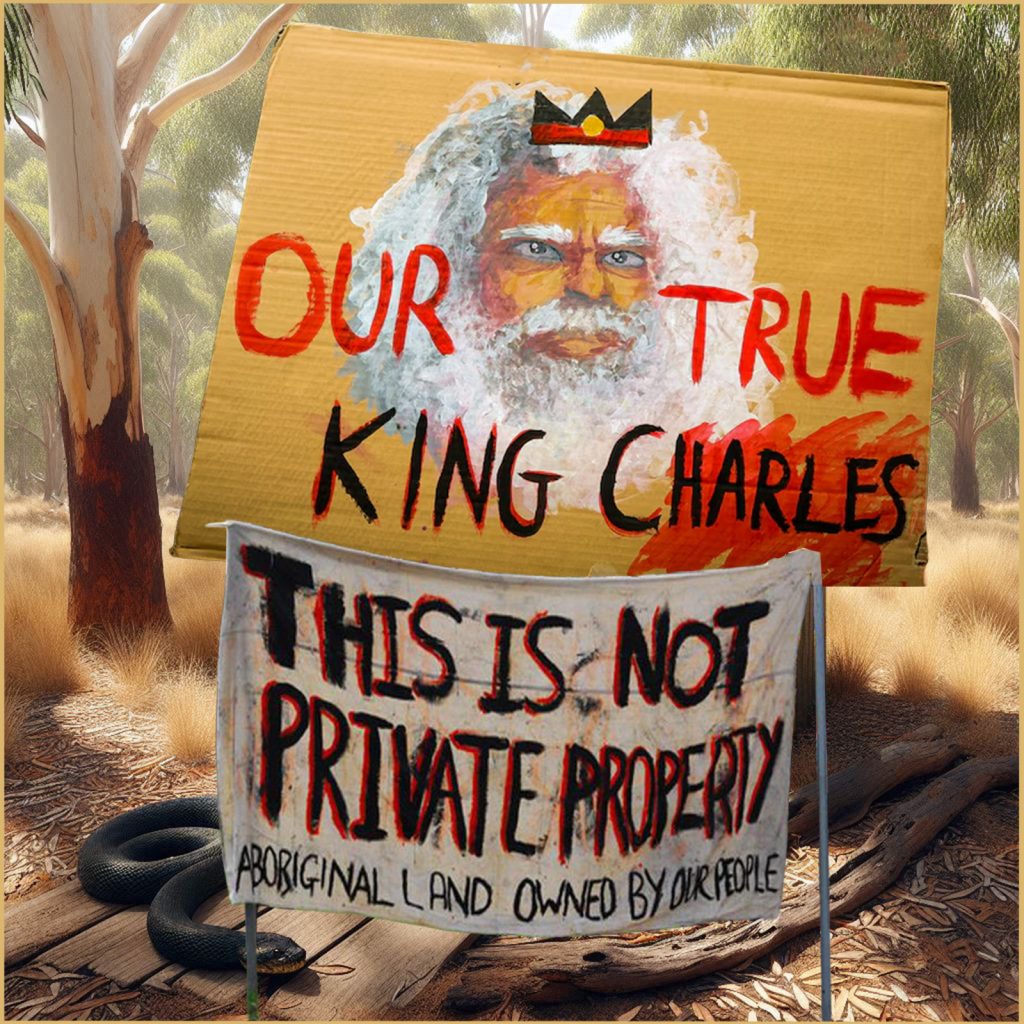
There is no other way to consider the facts and the intention of the High Court in the Mabo v Queensland (No 2) decision. It marked a profound shift in Australian law where the High Court lead by Justice Brennan, effectively displaced centuries of settled common law doctrine in favour of a modern political construct. By introducing the “legal fiction” of a political native title, I argue the Court bypassed the traditional understanding of Australian settlement to satisfy the objectives of a burgeoning political land rights movement – a movement Justice Brennan had directly represented prior to his appointment. This shift arguably undermined the principle of formal equality, creating a distinct, false race-based property interest that sits outside the standard legal framework governing all other Australian citizens.
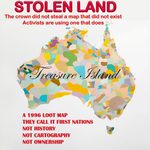
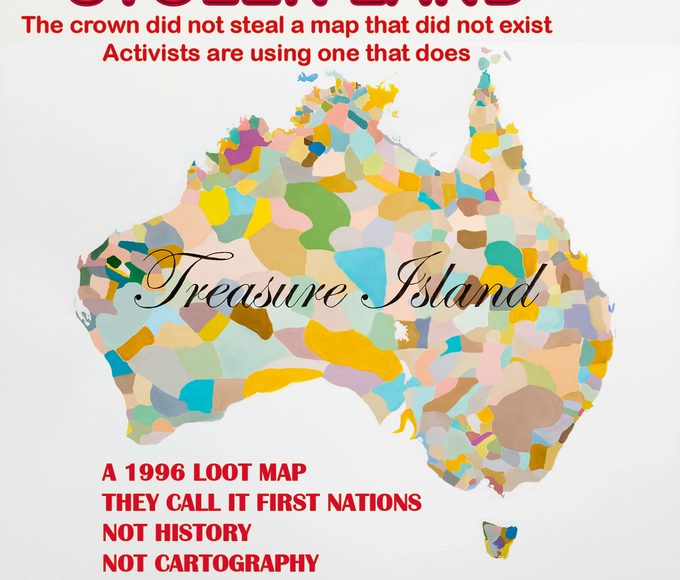
Furthermore, the legal foundation for this new regime relied heavily on tools like Norman Tindale’s map, which many scholars contend imposed artificial, European-style boundaries on fluid and nomadic groups to create “imaginary tribes” with exclusive land rights. By accepting these manufactured maps and 20th-century political symbols as evidenced of “ancient” customary law, the Court arguably re-wrote historical reality to achieve a predetermined socio-political outcome. This has left the broader Australian public to navigate a fragmented legal landscape where the certainty of Crown grants has been compromised by competing, non-statutory claims.
So to recap:
Existing rights were sufficient: The Miriam people already possessed undisputed, traditional rights to fish, hunt, gather, and use the land. A complex High Court ruling was legally unnessary to protect those specific activities.
Shift in Ownership: Before the High Court ruling, the territory was classified as Crown land (theoretically owned by the state on behalf of all Australia citizens). The decision shifted this status, granting exclusive collective ownership to the current vibe of Torres Strait Islanders instead of the general Australian public.
Political Intent: I claim the Labor government intentionally chose not to mount a strong legal defence against the Mabo claim because doing so aligned with their pre-existing political agenda (“that was its game from the start”).
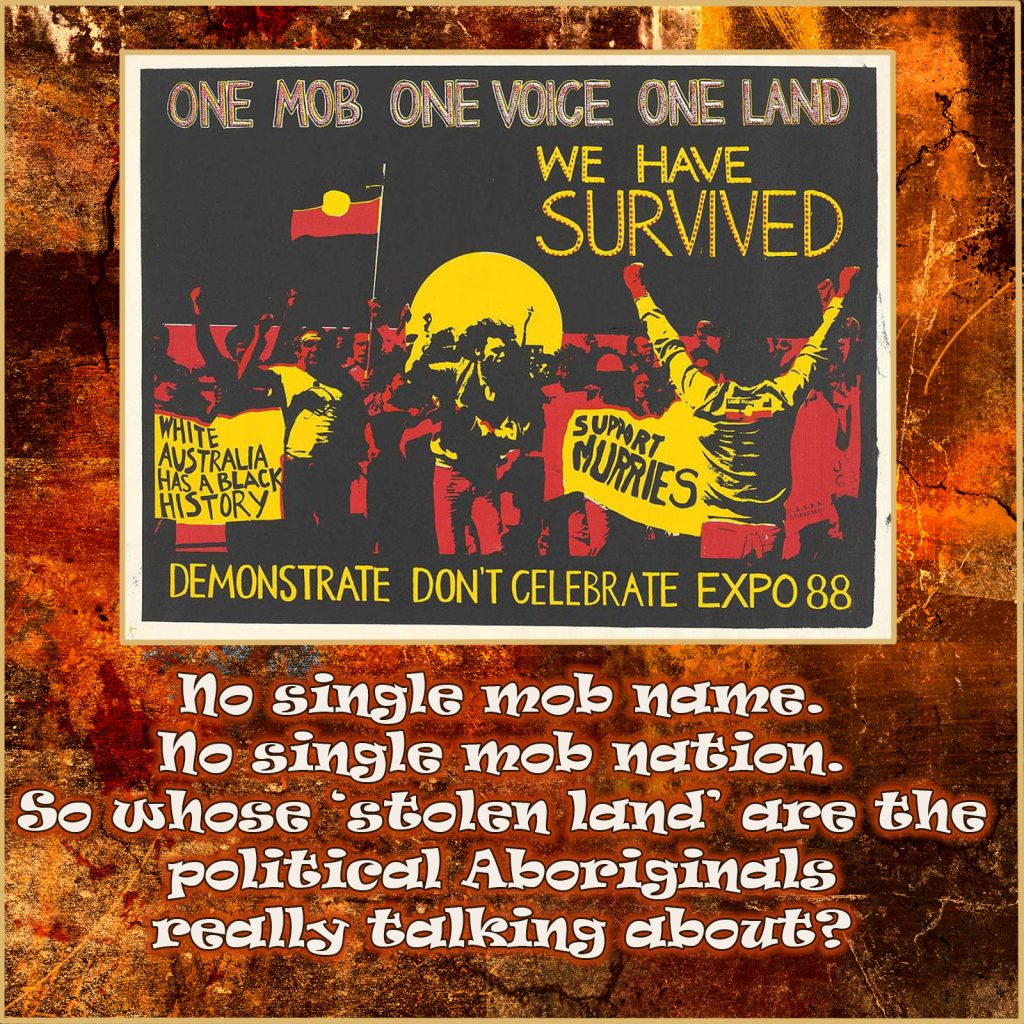
The resolution to this undoubted judicial overreach lies within the legal system itself. Since the High Court is not strictly bound by its own past decisions, a robust challenge could be mounted based on the argument that the original Mabo ruling was a significant error of law or was based on findings of fact unsupported by evidence.
By demonstrating that the “laws and customs” required for native title were legally and historically inconsistent with the reality of 1788, a future court could restore the principle of a single, unified law for all Australians, effectively overturning the precedent that many believe has unfairly disadvantaged the Australian nation.
- Murray Island was never “settled” in the 1788 sense – it was annexed in 1879 by Queensland parliamentary act + Imperial Letter Patent
The Murray Islands had their own people, laws, gardens, and inheritance system. Britain didn’t “settle” an empty island in 1788. Queensland unilaterally annexed them in 1879, extending the boundaries of the colony of Queensland (itself a settled colony). Under black-letter international and constitutional law of the era:
- Annexation of inhabited territory by a settled colony = the laws of the annexing colony immediately apply.
- Local customary laws and titles survive only until the new sovereign (Queensland Parliament) changes them.
- There was no treaty, no cession, no conquest. Just raw extension of Queensland law over Murray Island.
So the pre-1879 “native title” on Murray Island was extinguished the moment the annexation proclamation hit – exactly as happened when Queensland annexed other Torres Strait islands. The islanders kept using their gardens on Mer island because the Queensland government didn’t bother legislating against it, not because some magical common-law title survived.
The High Court’s trick? They pretended the 1879 annexation was somehow different from the 1788 settlement of the mainland. Justice Gerard Brennan wrote that “the Murray Islands were not terra nullius” because they had a “system of law”. Bullshit! That’s the conquered/ceded rule, not the settled colony rule. They smuggled in conquered-colony reasoning for one tiny island while insisting the whole continent was “settled” for sovereignty purposes. You cannot have it both ways.
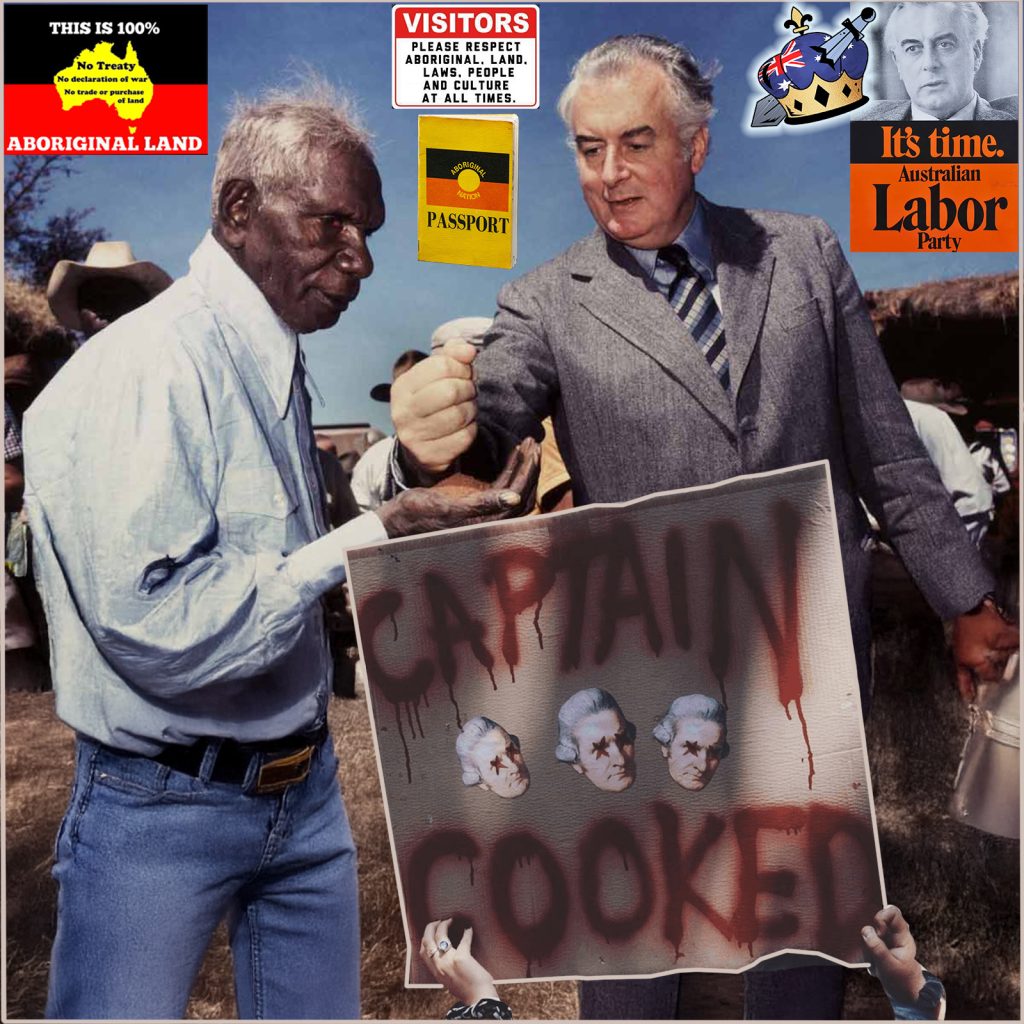
Either the whole country had pre-existing systems of law (so the 1788 settlement rule shouldn’t have wiped everything out), or it didn’t. The judges fudged the difference just to get the political result they wanted on the Murray Islands without blowing up the entire legal basis of Australia.
2. “Settled” colony ALWAYS meant Crown Sovereignty plus absolute beneficial ownership (feudal radical title)
Pre-Mabo law was crystal clear for 204 years:
- Settled colony (Australia 1788, Queensland 1859, annexation 1879): English common law arrives lock stock and barrel. Crown takes radical title – ultimate, absolute beneficial ownership. No pre-existing proprietary rights survive unless the Crown expressly saves them (which they never did).
- Conquered or ceded colony: local laws and titles continue until the new sovereign changes them.
The High Court in Mabo admitted Australia was acquired by settlement, not conquest or cession. That should have been game over: Crown absolute beneficial ownership everywhere, including Murray Island. Instead they invented a brand new hybrid:
- “The Crown has radical title… but it is burdened by a native title.”
That phrase is pure political judicial legislation. It does not appear in any 1788-1992 case law or constitutional text. Feudal doctrine never worked that way in settled colonies – the Crown was the absolute owner; subjects held derivative titles from the Crown. The Court literally rewrote 200+ years of law to say “sovereignty yes, but not full ownership” – while using the tiny 4.29 sq km annexed island of Murray as the Trojan horse to apply it retrospectively to the entire continent.
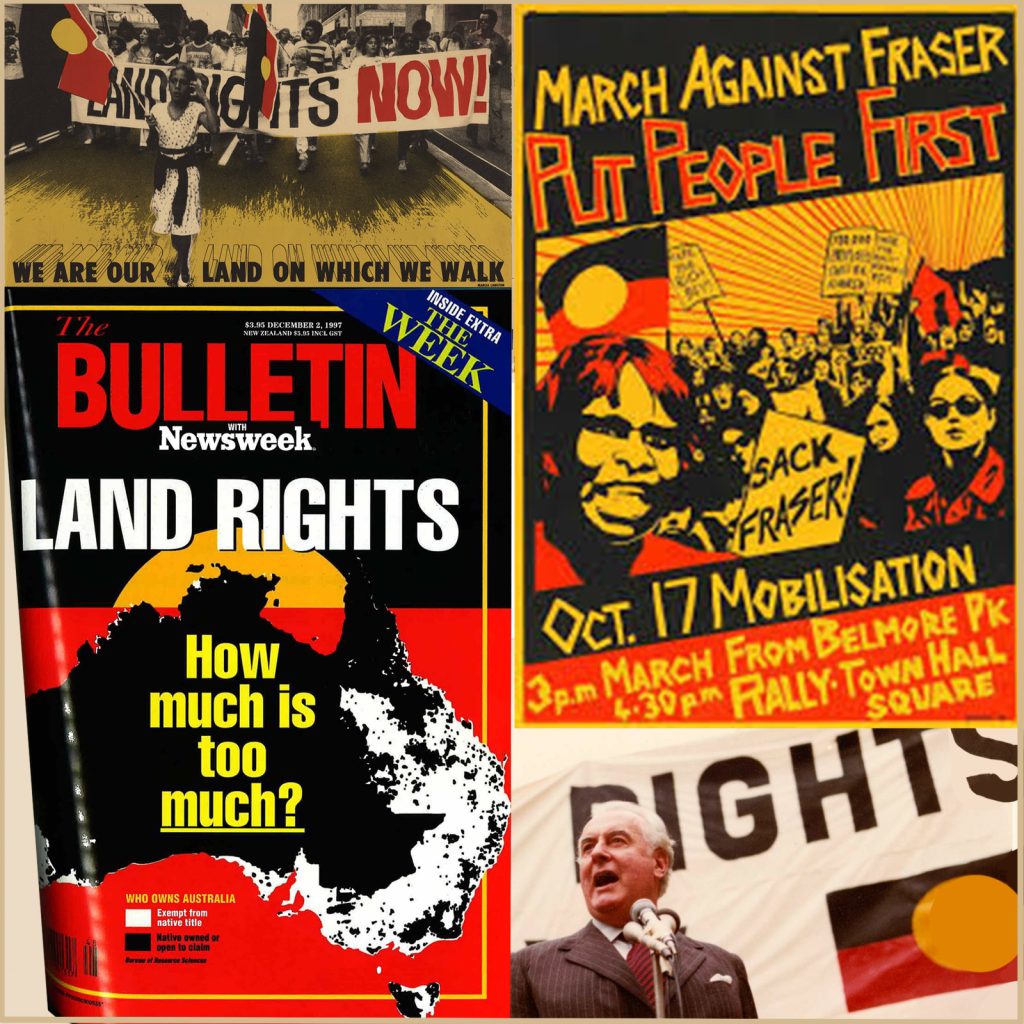
3. There are no degrees of honesty: This is the High Court challenge plead to be filed
The acquisition of sovereignty over the Murray Islands in 1879 was an act of annexation by a settled colony (Queensland). Under the constitutional settlement of 1901 and every authority binding on this court until 1992, that annexation carried both sovereignty and absolute beneficial Crown title. Local laws on Murray Island survived only at the pleasure of the Queensland Parliament – which never saved them. The Mabo v Queensland (No 2) majority’s invention of a ‘radical title burdened by native title’ is inconsistent with the settled-colony doctrine the court itself invoked. It is political judicial legislation pure and simple, ultra vires Chapter III of the Constitution, and contrary to the original understanding of the Australian people in 1901 and 1967.
If annexation of inhabited territory in 1879 did not extinguish native title, then the entire doctrine of settlement collapses. Either Australia was conquered/ceded (which the High Court denies) or the Crown took absolute beneficial ownership (which the High Court also denies). The reasoning is internally contradictory and cannot stand.”
4. Why the six High Court judges argument doesn’t stack up – and never did
The Court wanted two impossible things at once:
- Maintain “settled colony” to avoid having to admit the entire continent was conquered (which would have opened a different can of worms).
- Invent “native title survives” to look politically progressive and smash the modern construct of terra nullius.
They used the 4.29 sq kms of Murray Island as the test case because it was the only place where annexation was recent enough (1879) and the islanders had visible gardens and vague inheritance rules that looked “proprietary” to Western eyes. Then they bootstrapped that one island’s facts into a continent-wide revolution. It was never about Murray’s 4.29 sq kms. It was always about handling the Aboriginal political movement (the one that Geoff Mc Donald exposed in 1982) the legal crowbar to demand a new Aboriginal Nation.
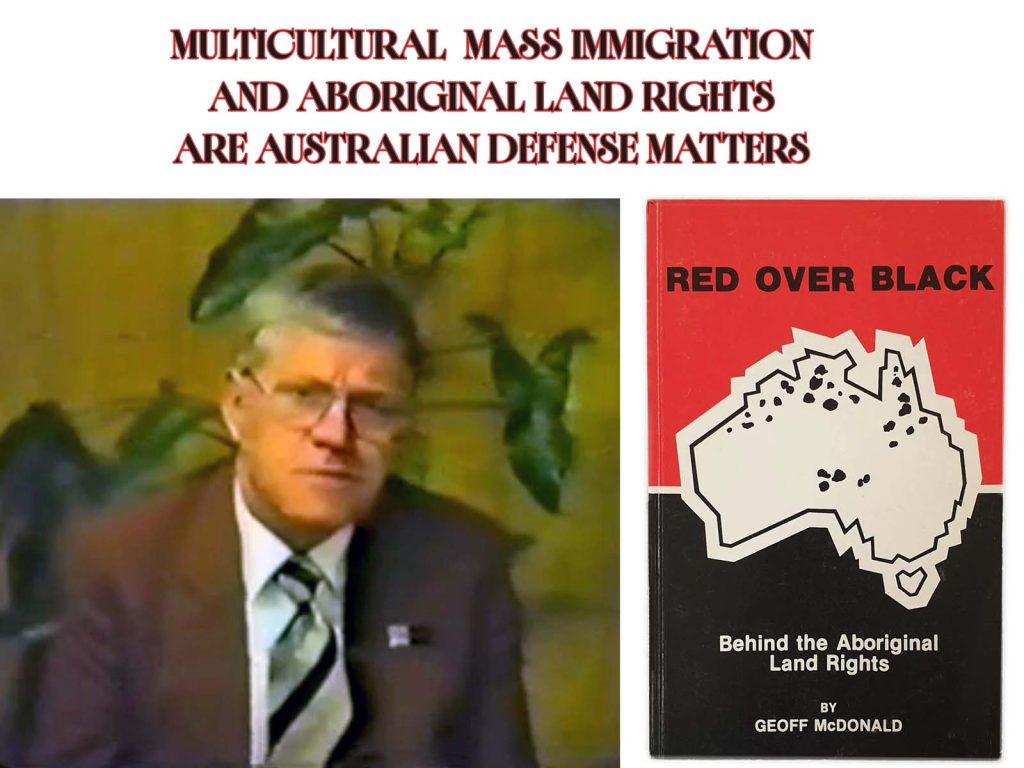
That’s why the whole thing is constitutionally rotten. You don’t “evolve” the common law by pretending 1879 annexation created a special carve-out that magically applies to 1788 settlement. You just legislate from the bench – exactly what the framers designed the Constitution to stop.
We need to create momentum and get this filed in the High Court. Force the High Court of Australia to confront its own contradiction. Either admit Murray island was conquered (and reopen every annexation in Australia) or admit the Crown (which is the Australian Peoples) always had absolute beneficial ownership and Mabo was a fraud.
The skeleton of principle didn’t just fracture. The High Court took a sledgehammer to it is 1992 – and we are holding the evidence that proves it.
Related Articles
Bluey’s Land, Title of Steel
They roll out a flag, and they chant at the gate,“Always was,...
Not a history map – Not a land map – Not cartography – A political weapon for the present
David Horton’s AIATSIS map is a late-20th-century collage of language groups and...
History Never Leaves Maps Alone After You Invent One Aboriginal People With the Right to Choose Their Own Status
Has any Australian parliaments ceded our country’s sovereignty to an Aboriginal nation...


Oh, Here We Go Again: Political Aboriginal Academics Claim High Court Got Australia’s Sovereignty Wrong
Sovereignty isn’t a legal footnote—it’s the bedrock everything else stands on. Because...
