Why Can’t an Everyday Aussie Buy a Block in Beautiful Beagle Bay? Aboriginal Land Rights, Mate – ‘No Entry’ to Everyday Aussies!
 Maria Rigoni28/05/202610 Mins read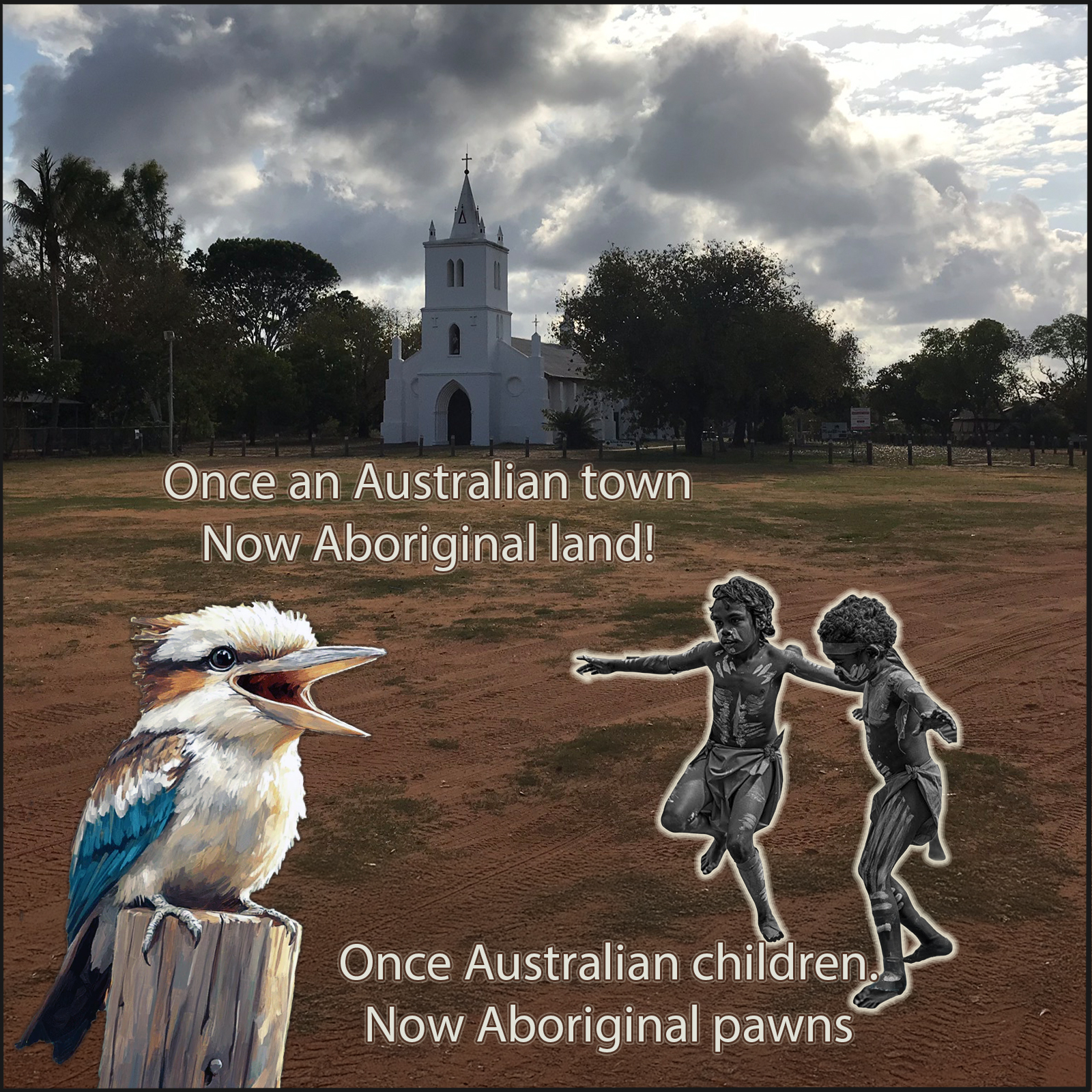
Australian taxes build ‘Aboriginal Land’… then the political Aboriginals charge you to set foot on former Australian soil.
What started out as just the right for a local native of a particular area in Australia to hunt, camp, and fish on someone else’s land has turned into a big political racket. Today, political Aboriginals are using native title legislation to grab control over huge parts of Australia – land, minerals, water and development rights. They get special veto powers that no normal Australian has. This slows down projects, drives up costs for everyone, and hands real power to people who often live in cities and have none, or only weak links to the old family mobs, Taxpayers pay the bills while ordinary Aussies lose out.
This is not a race or discrimination issue – it’s a defence and freedom issue for every average Australian.
Discrimination laws were made to protect weak and vulnerable people who can’t stand up for themselves. But here it’s the opposite: a politically organised group called “Aboriginals” is being given special legal privileges and ownership rights over the rest of us. That’s not protecting the vulnerable – that’s taking freedom and property away from everyone else.
Our ancestors built this country through hard work and fought for it in wars to give us one nation with previously equal rules, individual freedom, and no special classes of people with extra rights. Native title legislation is slowly carving Australia up and handing pieces of sovereignty to one group based on ancestry and politics. That attacks the very heart of what our ancestors who built Australia stood for: a free county where everyone plays by the same rules.
This is about defending the Australia our forebears created – not letting it be broken into separate nations inside one nation. It’s political and national defence matter for every ordinary punter, no matter your background, because you lose equal citizenship and the rule of law for all, you start losing the freedom they sacrificed for.
Beagle Bay
Beagle Bay was named in 1838 by John Clements Wickham, after his ship HMS Beagle.
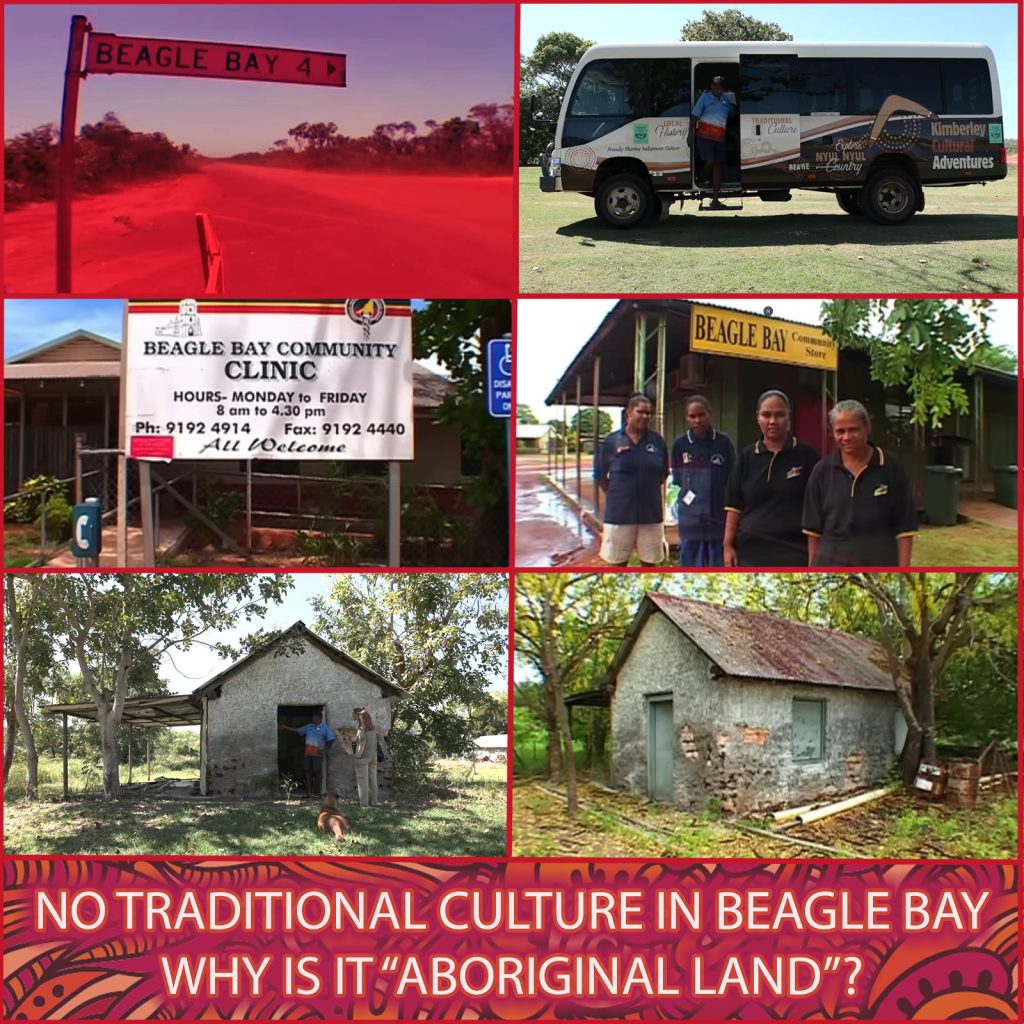
Beautiful Beagle Bay is now a remote political Aboriginal land rights town on the Dampier Peninsula in Western Australia’s Kimberley region (about 100 km north of Broome and 115 km north-west of Derby). A clear real world case of how the hybrid system of Aboriginal vs Australian land ownership plays out.
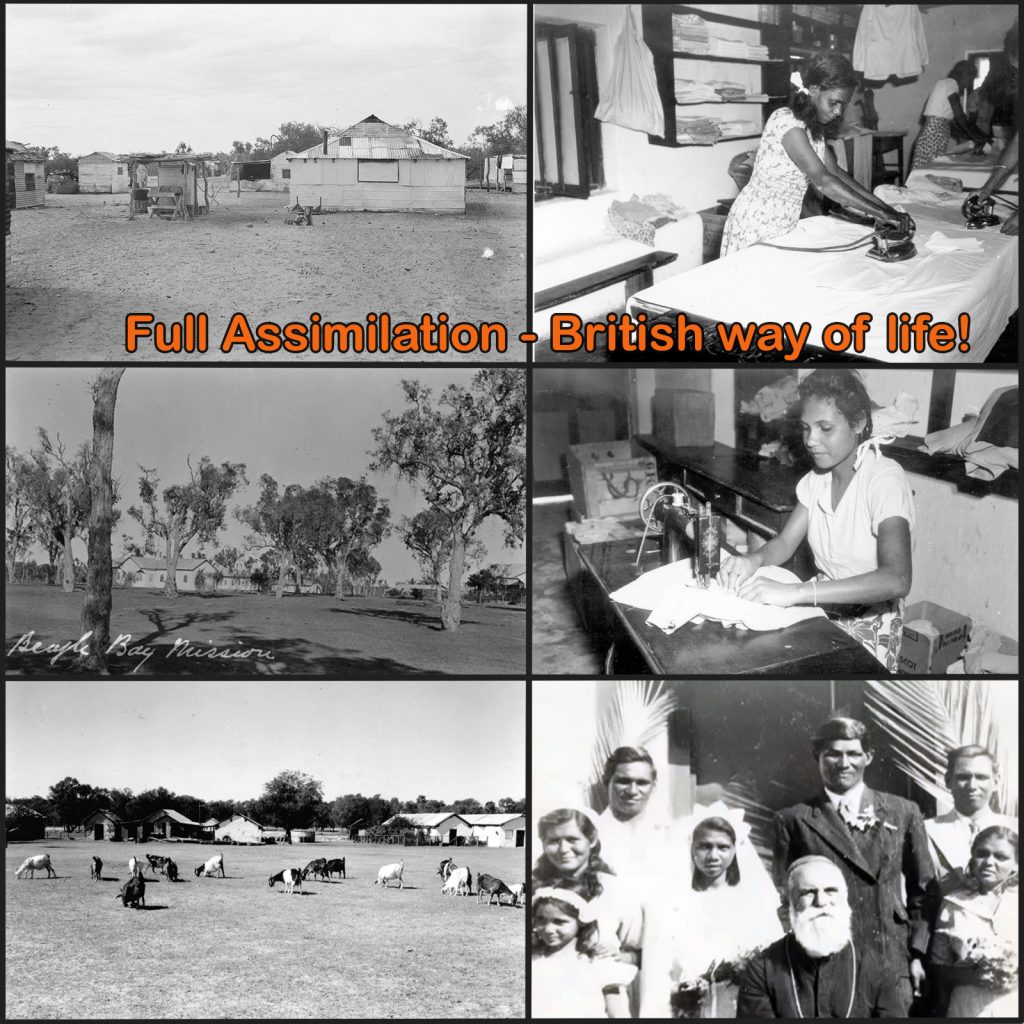
Beagle Bay began as a Catholic mission in the 1890s. A school was first opened there by Trappist monks in 1892, but a sign near the famous Sacred Heart Church (also know as the Mother of Pearl Church) states that the Sacred Heart School was established in 1907 – the year the Irish Sisters of St John of God arrived to run the mission school and lovingly care for children, including many from half-caste local native assimilation programs. In 1901, Pallottine fathers from Germany took over the Beagle Bay Mission with two priests and four brothers. The striking church itself was built between 1915 and 1918 by Pallottine missionaries and local native residents using mother of pearl shells for the altar. For decades it was a classic assimilation township: children lived in dormitories, learned English and Catholicism, and the whole place operated under church and government oversight to integrate local native aborigines into the wider Australian / Christian society. At one stage in it’s development the mission consisted of 79 buildings. For a 100 years there were blacksmiths, carpenters, butchers, market gardeners, pearlers’, seamstresses, chefs, laundry maids, farmers, teachers, and other skilled workers who lived and worked at the mission.
Yet in May 2018 the Federal Court granted Native Title over a huge area of about 12,000 square kilometres, including Beagle Bay itself, to the Nyul, Nyul, Nimanburr, and Jabirr Jabirr / Ngumbarl “peoples”.
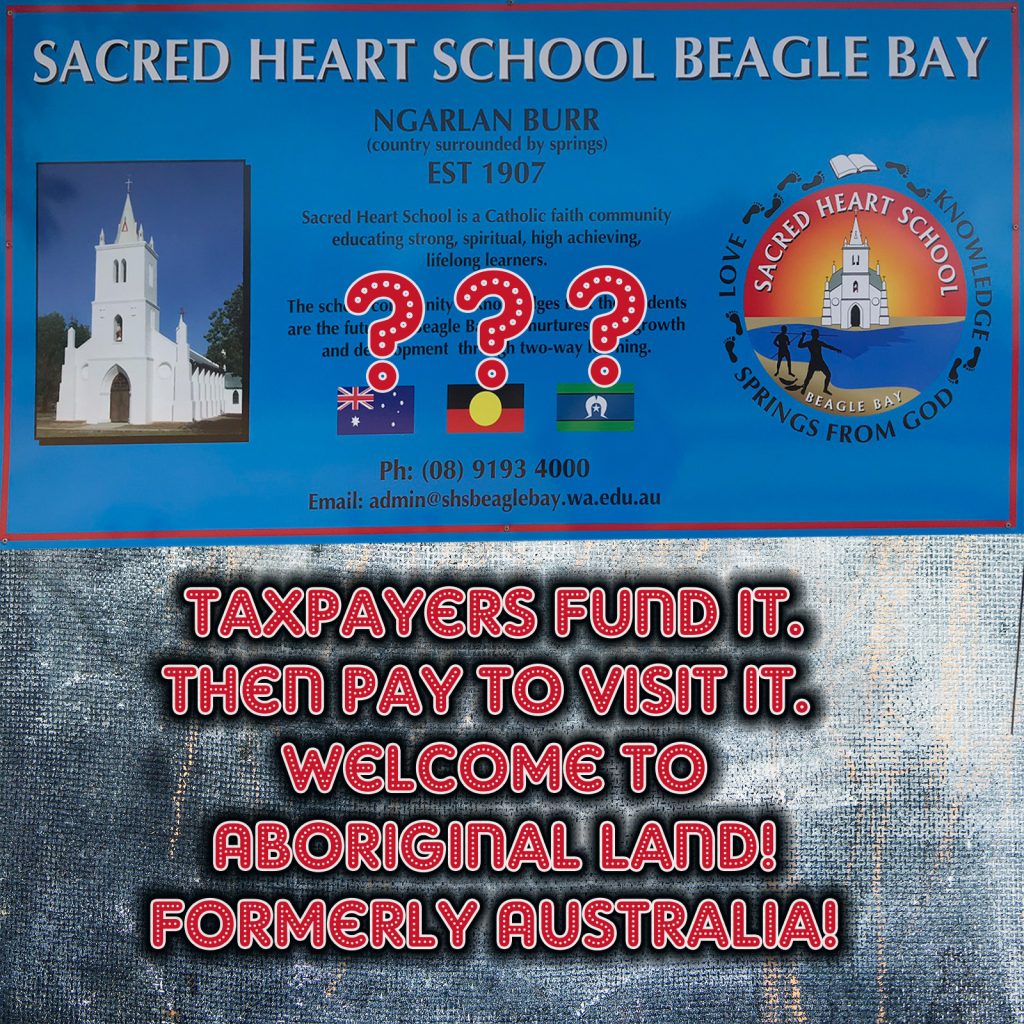
The Dampier Peninsula was never home to large, ancient political Aboriginal nations. It was the territory of a handful of tiny nomadic family groups – the Nyul Nyul, Jabirr Jabirr, Nimanburr, Ngumbarl, Bardi and Jawi. Colonial records from the 1890s paint a clear picture: at Beagle Bay the local Nyul Nyul family totalled just 88 people (29 men, 39 women, 20 children). Nearby tribes were even smaller – 43 in the Mulgin group, 38 in the Winnowel, and at least 31 men in the Werragilla. These were not substantial populations holding deep-rooted sovereignty or property rights over vast lands.
These costal groups lived a traditional nomadic lifestyle, but by the mid-late 1800s their isolation had already ended. They engaged in fluid, regular sexual relationships with European, Asian, Malay, and other pearlers and visitors who came to the area. Tobacco was often traded with the local natives for sexual intercourse with the native women. In places like Carnot Bay, the population had become so mixed and transient that early records simply state it “could not be numbered.” Bloodlines were blending heavily long before any modern native title claims.
This mixing produced large number of half-caste, quarter-caste, etc. children. Local native aborigine women had children with Japanese, Malay, Chinese and White pearlers and traders, creating a highly fluid population where traditional tribal lines were already breaking down. Further south in Broome, local native aborigines were deeply embedded in the booming pearling industry, often living and working alongside the outsiders in ways that blurred any clear cultural or genetic separation.
At the time, the entire Kimberley region held an estimated local native population of only around 5,000 across its massive expanse. These small, mobile family mobs had limited fixed attachments to specific blocks of land in the European sense. Their way of life was already being transformed by outside contact, disease and intermixing decades before federation.
It is ridiculous to pretend today that the laws, traditions and customs of these individual local family mobs have survived pure and unchanged since before 1788. These small mobs did not even share the same cultures, traditions or laws – they frequently fought each other over territory, women, resources and payback.
Every aspect of their lives has been transformed by generations of sexual mixing with outsiders. European settlement, mission life and modern welfare dependency. Since all their laws, customs and stories were passed down orally with no written records, what remains today is the historical equivalent of Chinese whispers – distorted, adapted and reinvented over countless generations.
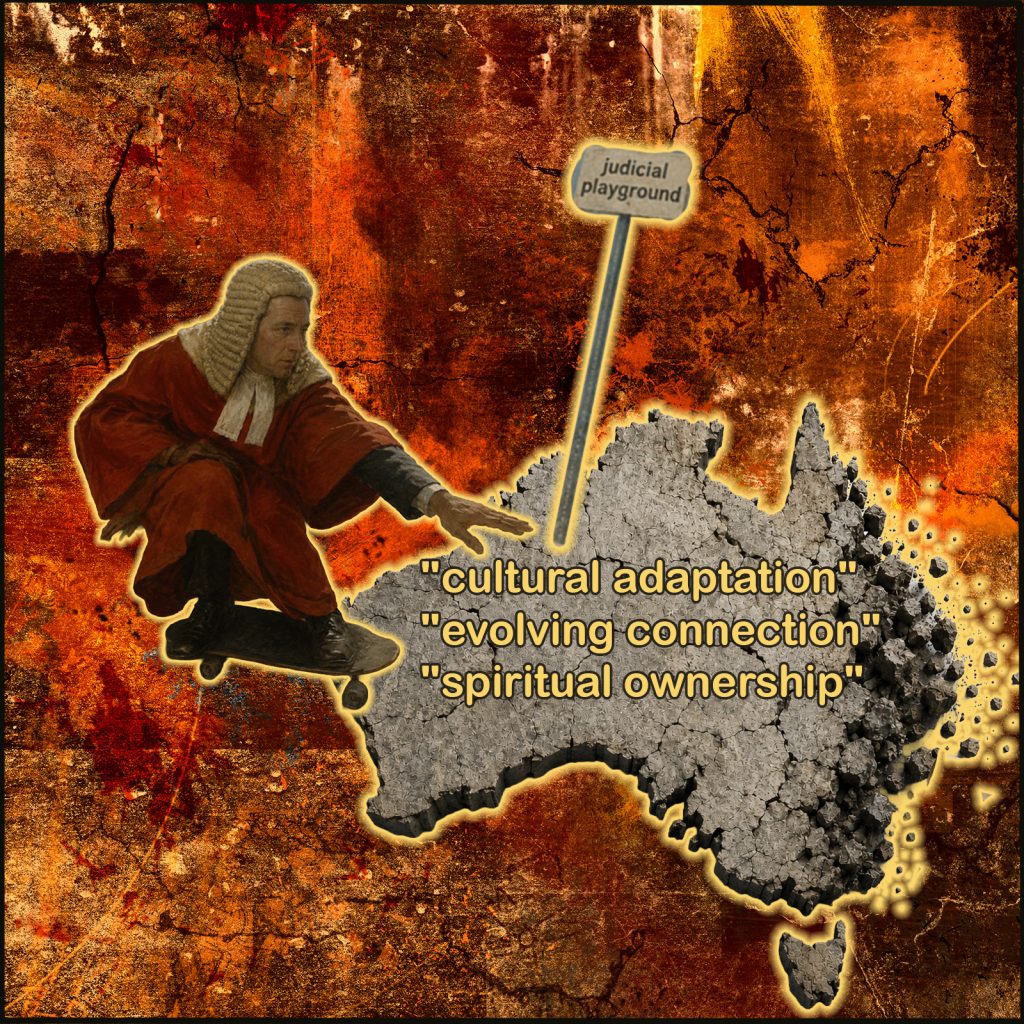
The local natives never held any concept of sovereignty over land – they didn’t even have a word for it, nor any understanding of exclusive ownership. What existed were basic usufructuary rights: the simple freedom to roam, hunt and camp on country. Yet activist judges in the Federal Court and the High Court have performed legal gymnastics, churning out pages of pretentious word salad about “cultural adaptation,” “evolving connection,” and “spiritual ownership,” to magically turn these tiny, mixed, post-contact political Aboriginals into holders of exclusive native title. allows modern, mixed descent political Aboriginals to assert native title and “ongoing connection.” This judicial activism is a naked political power grab, part of a deliberate push to deconstruct and abolish Australia as a single unified nation by fragmenting the country into separate political mapped areas.
This is not about race. It is a calculated political takeover attempt by a small but growing number of political Aboriginal elites, using the courts to seize land and shut everyday Australian taxpayers out of buying property in their own country. The modern political Aboriginal land rights movement is a plain and simple political Trojan horse.
The land is now held under trust arrangements. Houses cannot be bought or sold on the open market by any Australian citizen. This gives the “vibe” of ownership and cultural recognition without creating normal private property rights or full self-governing responsibility. It is exactly the kind of outcome that is symbolic sovereignty layered onto a history of assimilation and ongoing state involvement.
As of 2026, native title covers more than half the continent and continues to expand, with growing compensation payouts and agreement-making with political Aboriginal groups. Mineral resources do not belong to mining companies, political Aboriginal activists, or the government, they belong to all Australians. They like Crown and Freehold real property ownership are not just critical to Australia’s prosperity, they are critical to our survival as a first-world nation.
Critical analysis of how freehold ownership of Beagle Bay disappeared
In 1981, Alan Frost was the first historian to put forward the argument of terra nullius to explain why the British Crown failed to recognise local native tribe ownership in Australia.
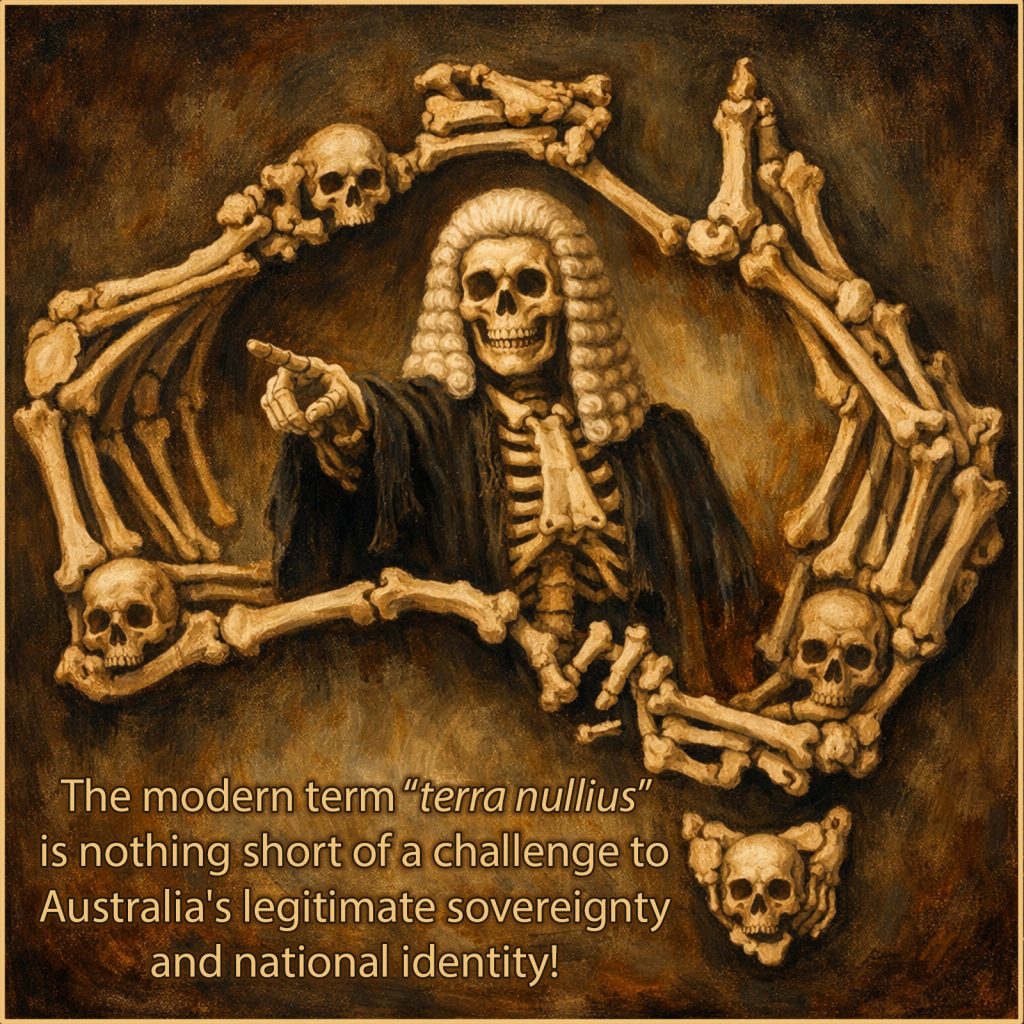
Hence, the concept of modern term of terra nullius is nothing short of a challenge to Australia’s sovereign legitimacy and national identity. The doctrine of terra nullius did not exist at the time of Australia’s settlement or the annexation of the Torres Strait Islands.
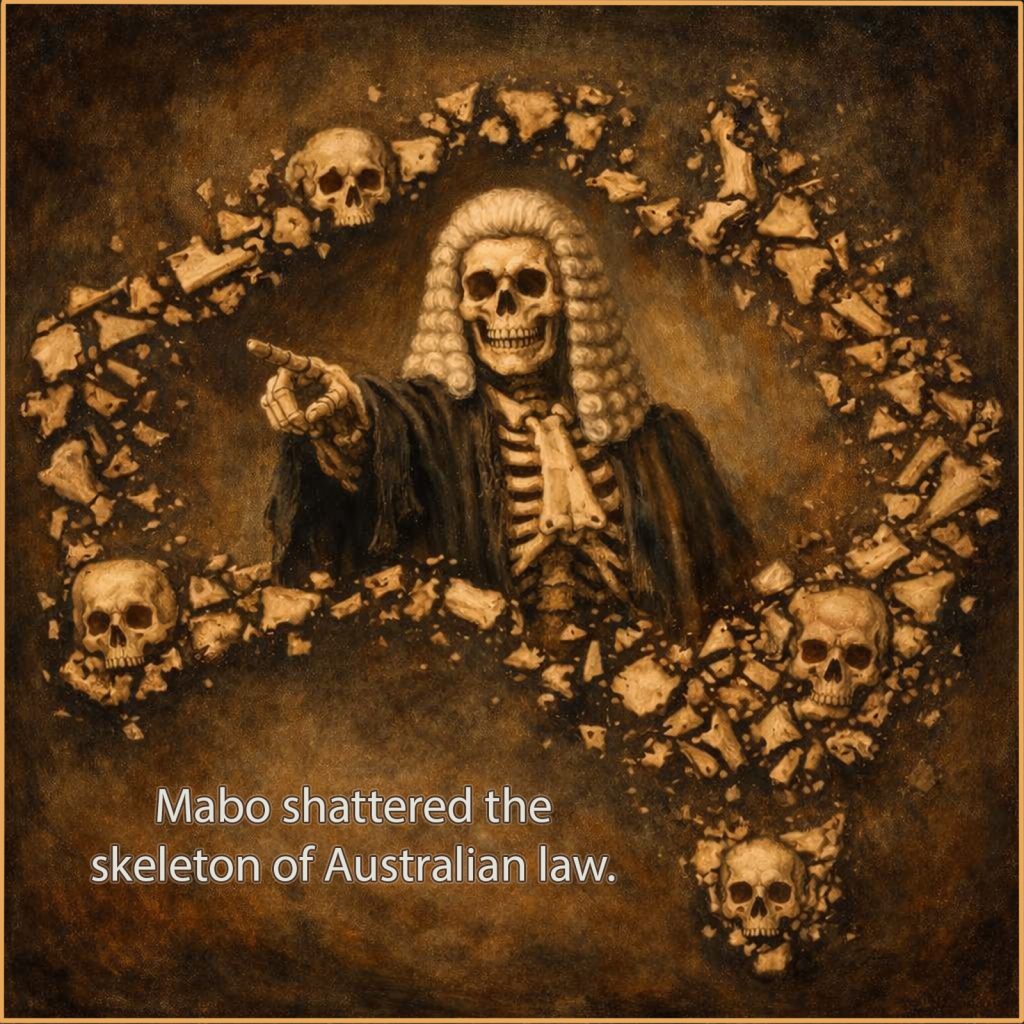
The Beagle Bay example is exactly the contradiction the High Court of Australia created in the Mabo v Queensland (No 2) case. A township deliberately built for assimilation – complete with a mission school dating back to 1907, a European-style church, dormitories and Catholic education – was later handed Native Title on the legal basis of “continual traditional connection.” The system allowed the community to keep the outward symbols of pre-colonial ownership, that did not exist, while having been deeply reshaped by 130 years of missionary and government intervention. In practice, it gave political Aboriginal groups (represented through native title bodies and the Kimberley Land Council) leverage and recognition without requiring them to prove they had operated as a fully independent sovereign entity.
Even more telling is how the land is actually managed. The township sits on freehold land held in trust by the political Aboriginal Lands Trust and the Roman Catholic Bishop of Broome “for the benefit of political Aboriginal people.” Houses are not ordinary private property that any Australian citizen can buy or sell on the open market. There is no normal real-estate system here. Land is owned communally by the political group, not by individuals. Ordinary Australians, political Aboriginal or not – none can purchase a home the way they can anywhere else in an Australian town that is not political Aboriginal land. Even may local residents live in government – or community-managed housing rather than owning their home outright with a normal freehold title. Banks do not lend to individuals for mortgages here because the land cannot easily be used as security or sold freely.
This is not democratic individual property ownership; it is a form of enforced communal control – what is called a “communism dictate.” The land is tied up under collective title managed by political Aboriginal bodies representing “traditional owners.” It cannot be freely developed, subdivided or transferred like normal Australian land. The result is exactly what the original argument describes: the vibe of political Aboriginal sovereignty, ownership, and control, without the responsibilities of full governance or the economic self-sufficiency that comes from private property rights.
The modern doctrine of terra nullius demonstrates that political Aboriginal activists are using confusing language and emotional slogans to hide the “truth” and trick the trusting Australian public into accepting a specific and well planned political outcome.
The term “Stolen Land” is used to create a sense of moral guilt rather than reflect historical common law .
“Unceded Sovereignty” is a term used to claim that because no treaty was signed, the unknown individuals of local native tribes still “own” the nation today known as Australia. This is a spiritually engineered concept created recently to challenge the legitimacy of the Australian Parliaments both at a state and a federal level.
All this modern political engineering of confusion language and emotional slogans aren’t ancient traditions, but rather sophisticated tools designed by modern lawyers and political Aboriginal activist to gain political power and land rights that their ancestors never actually claimed or practiced. Prior to 1788, Australia was home to hundreds of nomadic or semi-nomadic tribal groups without a unified national identity or central ruler. Political Aboriginal activists are using a modern legal term to describe a tribal system that never actually functioned as a sovereign state. Further they are applying 21st-century property concepts to a pre-literate, forager-hunter-gather society to create a “myth of prior ownership” to justify modern financial compensation. This shifts the focus away from the reality that British settlement established the first and only legal framework for land ownership in Australia.
The third manoeuvre of sovereignty “never ceded” implies there was a formal entity capable of ceding it in the first place which we all know is just a lie. The political Aboriginal activists are now retroactively “inventing” a pre-existing nation-state to make the lack of treaty look like a legal loophole. The legislative Native Title does not grant actual ownership; it recognises “rights and interest” based on traditional customs. The political Aboriginal activists are representing these limited rights as “sovereign ownership.” This causes confusion with a trusting public in forging a belief that a spiritual connection to the land is the same thing as legal title, allowing for continuous claims against the Australian state and her citizens.
Why should Australian land be locked up this way?
My core point is that this is not about race – it is about politics. A small number of political Aboriginal activists and organisations use the Native Title hybrid system to claim special political status and control over large areas of Australia. They get the moral and legal leverage of “ownership” and the ability to negotiate (or veto) developments, while the Australian taxpayer and the broader community still carry the cost of services, infrastructure and welfare. Meanwhile, the land itself is removed from normal democratic property laws that apply to every other citizen. This creates permanent division, locks up resources, and perpetuates dependency instead of encouraging equal citizenship and national unity.
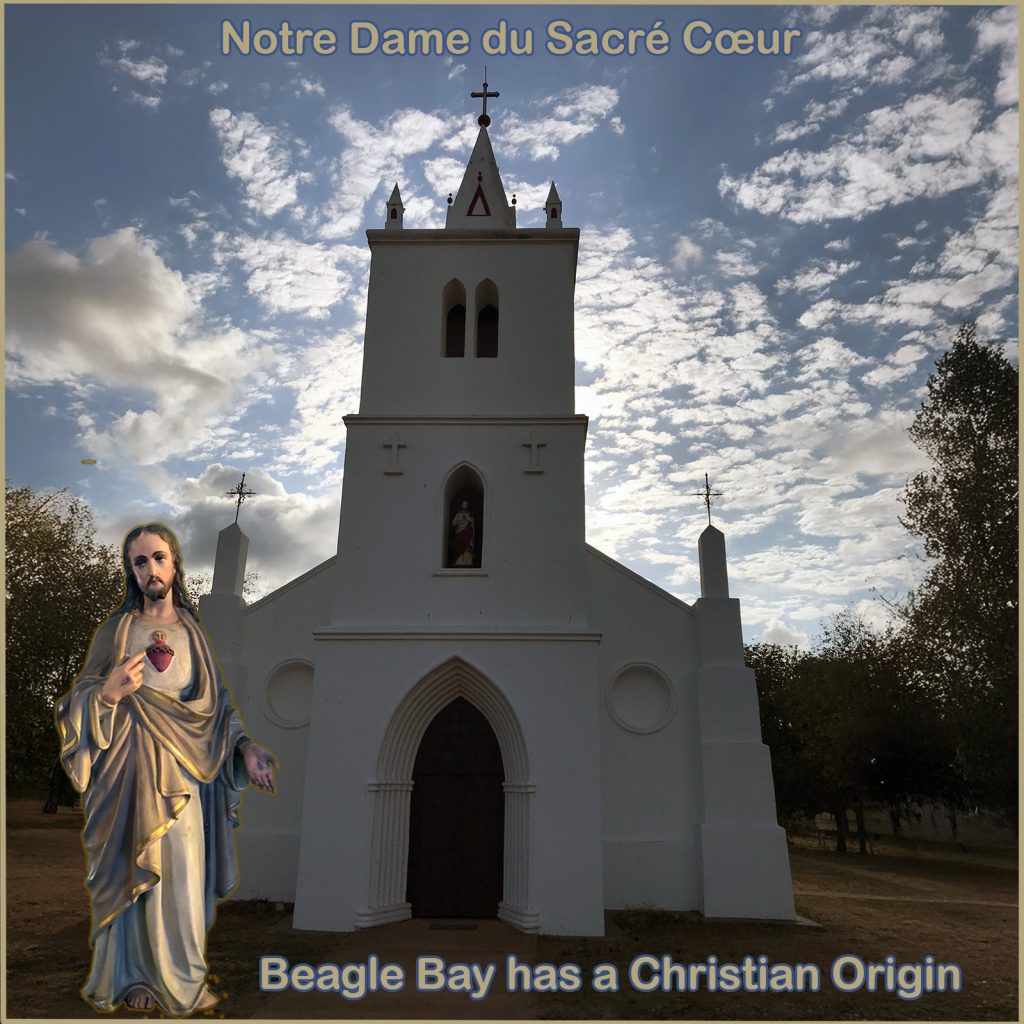
In short, Beagle Bay shows how the post-Mabo style system can turn an old assimilation mission into a modern example of the very hybrid the original quote criticises: symbolic sovereignty without the hard work of real self-governance.
Mabo has created a fundamental contradiction in identity. One cannot logically claim to be a member of a “sovereign nation” that predates and stands apart from Australia while simultaneously claiming the rights, protections, and welfare of an Australian citizen. By holding both positions, political Aboriginal activists are seen as performing a political “double dip” – demanding the abolition of the Australian state’s authority while using that same authority to enforce their claims. This “dual sovereignty” is a direct threat to the Australian nation.
It is in the urgent public interest that these claims are challenged in the High Court. The current trajectory creates a “state within a state,” undermining the principle of one law for all Australians. A High Court challenge is necessary to provide a definitive ruling on whether “sovereignty” can legally exist outside the Australian Constitution. Without this, the nation remains divided by a manufactured legal conflict that prioritises political myths over historical facts, ultimately threatening the long-term stability and social cohesion of Australia.
While Beagle Bay offers some understanding of the truth of the political Aboriginal movement through example we are reminded that remote political Aboriginal housing here and in the Northern Territory are not stories of social justice. It is a case study of political deception. The State pays for the land, pays for the houses, pays for the repairs, pays for the power, charges almost nothing in rent, and then gets sued when the system fails apart. The rhetoric is “self-determination” (self-government) and political “Aboriginal” control.
The end result is the political Aboriginal activist class has become the new money changers, turning the sacred cause of reconciliation into a marketplace for taxpayer funds.

Related Articles
Bluey’s Land, Title of Steel
They roll out a flag, and they chant at the gate,“Always was,...
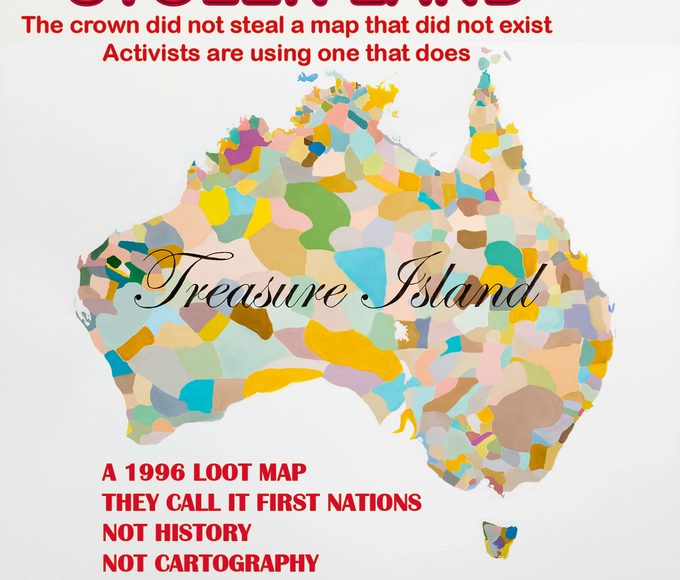
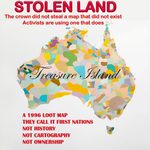
Not a history map – Not a land map – Not cartography – A political weapon for the present
David Horton’s AIATSIS map is a late-20th-century collage of language groups and...
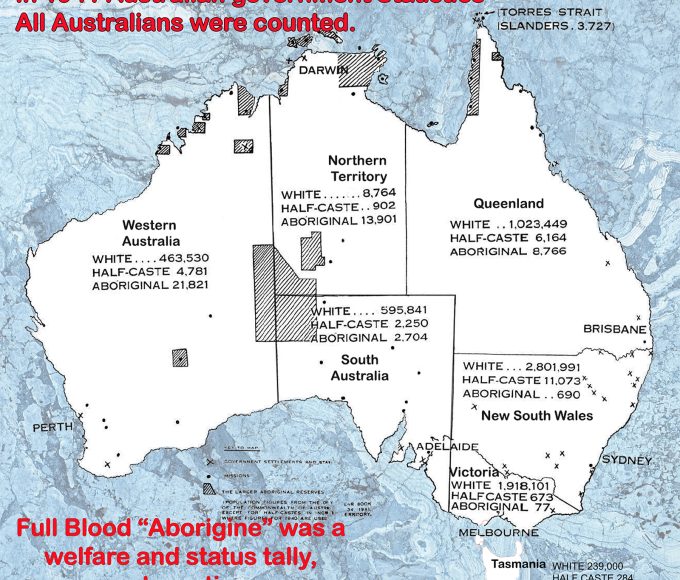
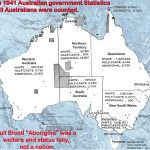
History Never Leaves Maps Alone After You Invent One Aboriginal People With the Right to Choose Their Own Status
Has any Australian parliaments ceded our country’s sovereignty to an Aboriginal nation...


Oh, Here We Go Again: Political Aboriginal Academics Claim High Court Got Australia’s Sovereignty Wrong
Sovereignty isn’t a legal footnote—it’s the bedrock everything else stands on. Because...
