

The Australian continent in 1787 was a ‘desert and uncultivated’ land mass “Anthropology” a myth maker Part 1 of 2
 Maria Rigoni30/03/202613 Mins read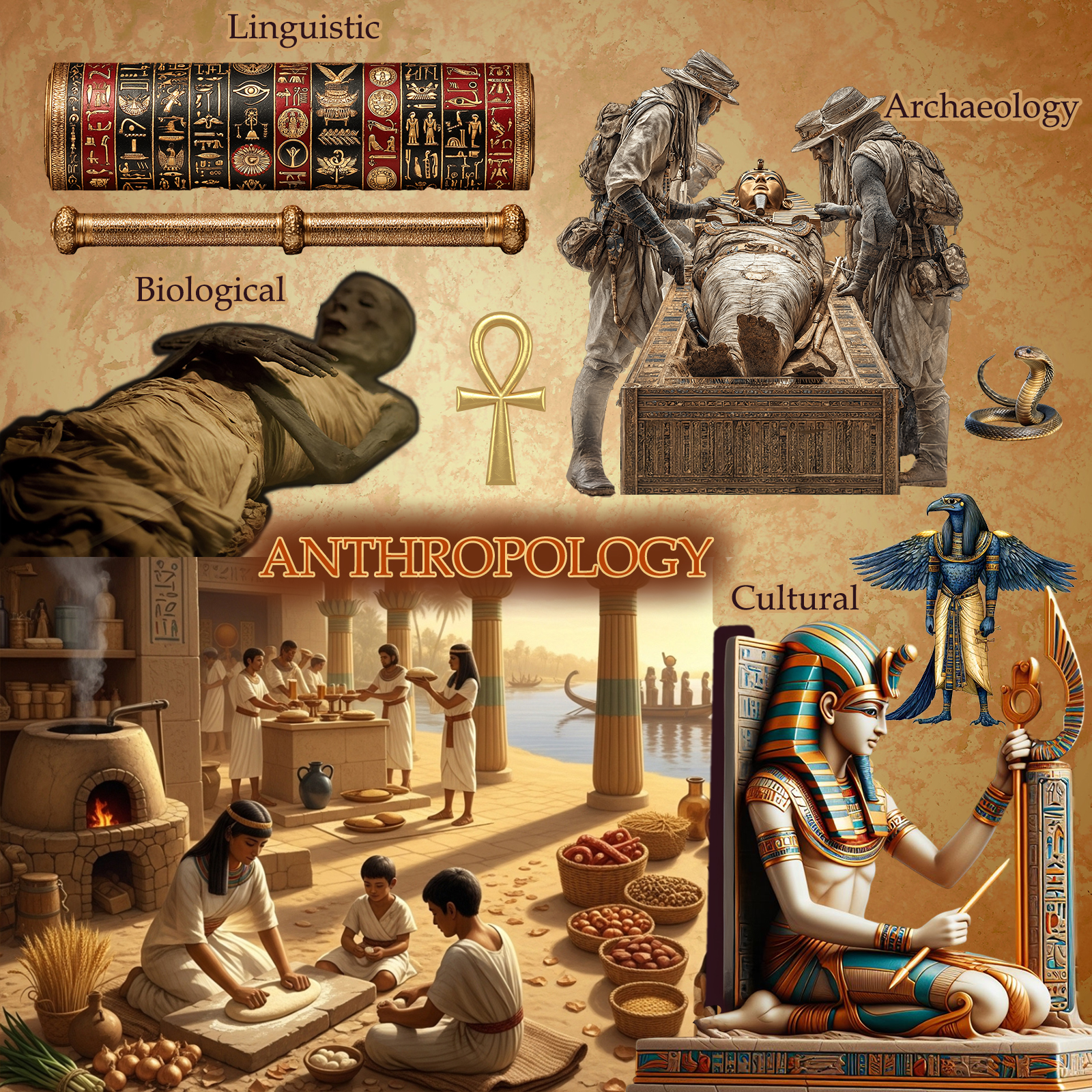
Anthropology is a relatively new professional discipline that commenced in 1850 with the establishment of formal academic departments, professional societies and arduous fieldwork ideals.
Anthropology is classically set in four disciplines; Cultural Anthropology (ethnography) being the study of social patterns, cultural meanings, norms, and values in a society. Linguistic Anthropology being the study of language in its social and cultural context and its influence on human life. Biological Anthropology being the study of human evolution, biology, genetics, and adaption. Archaeology being the study of past human cultures through the excavation and analysis of material remains.
Australian anthropology has changed drastically from the 19th-century colonialist evolutionary structures that observed native aborigine people as foragers, hunter-gatherers, to a modern discipline fixated on deep time, cultural intricacy, and Indigenous partnerships.
In my opinion, there is a lot of made up interpretation to satisfy a modern “First Aboriginal Nations” narrative required by beneficial legislation and a forging forward political activist group. How to make something fit rather than how it actually was. Modern anthropology acknowledges that ethnographic writing is a form of “faction”, where the objective pursuit of factual data is inevitably shaped by the literary techniques and subjective perspective of the author.
Rather than simply uncovering objective truths, descendants (political aborigines) often perform a creative re-curation of archival fragments to construct a modern identity that serves as a powerful, politically necessary counter-narrative to fair dinkum colonial history.
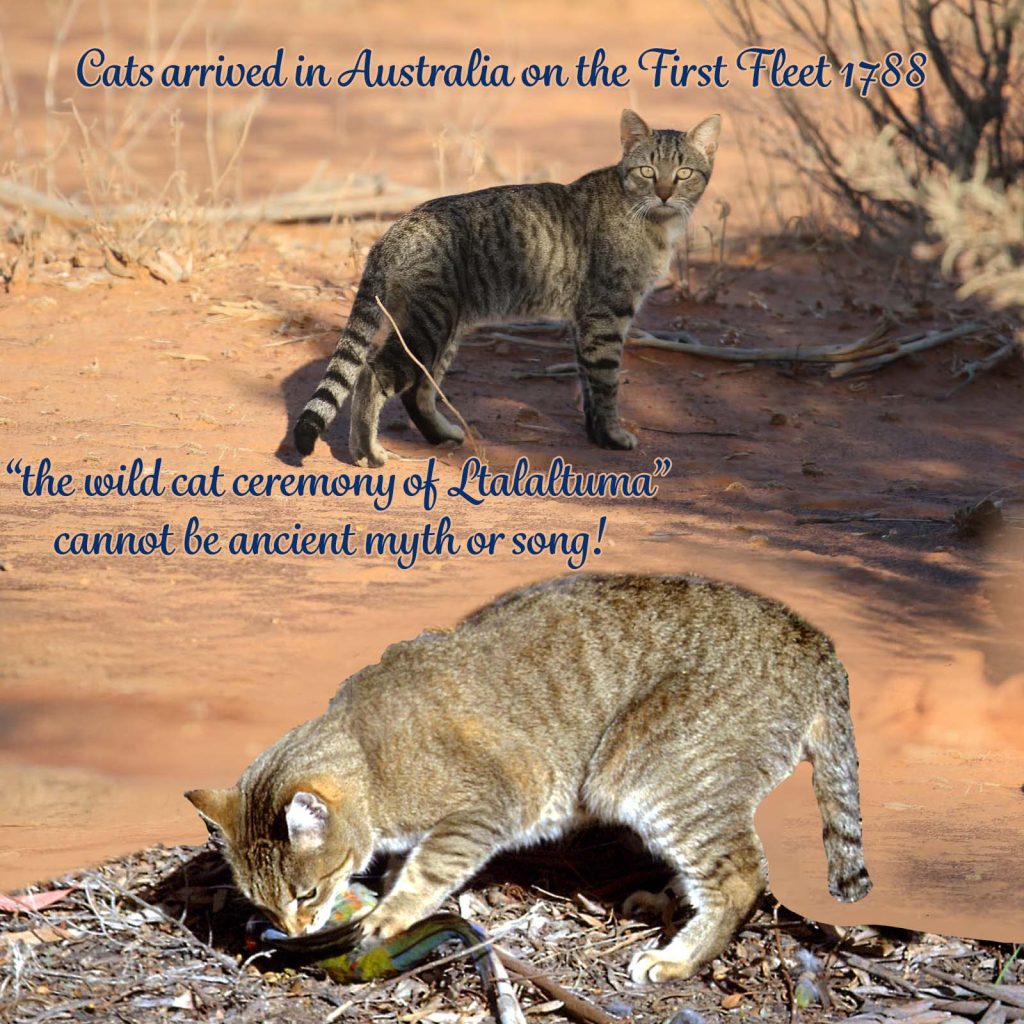
Another problem with some of the anthropological work completed in the late 19th and early 20th century is some “expert” authors have selected only portions of factual information that illustrate their preconceived theories. Portions that are chunks or scraps collected from individuals belonging to various unrelated local native mobs that did not speak the same language. A casserole of words with too many half truths and omission of facts that did not fit the desired narrative. Too often this inaccurate history is used today as gospel.
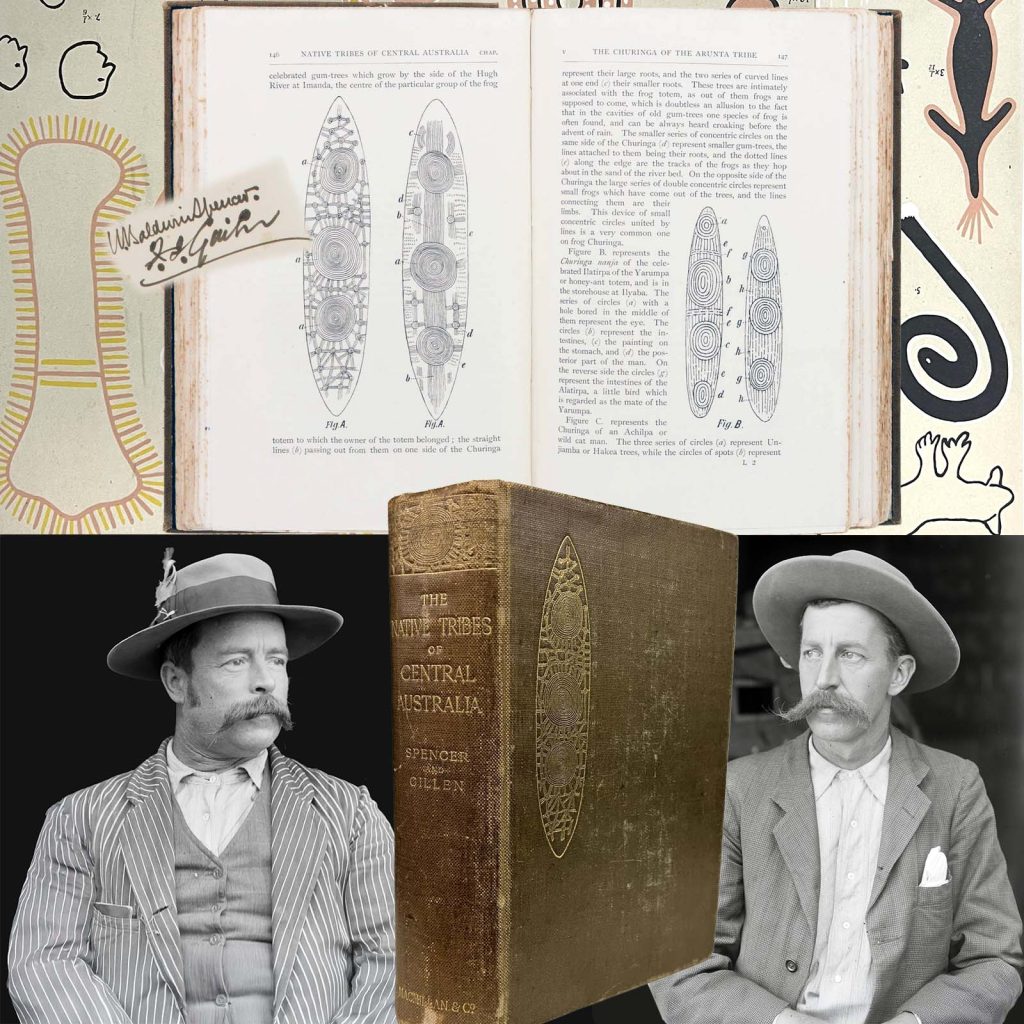
Theodor (Ted) Strehlow said of Walter Spencer and Francis Gillen’s’ work. “Once upon a time their work was regarded as being a miracle of accurate description and authoritative information.” They saw and wrote what they wanted to see and what they wanted people to believe.
In my opinion Walter Spencer and Francis Gillen’s extremely valuable to society photography, bridged and blurred the line between reality and staging by providing a “factual” visual record that both challenged and reinforced their “fictional” theoretical narratives. Their book The Native Tribes of Central Australia published in 1899 won them acclaim overseas and influenced contemporary anthropology theory.
Walter Baldwin Spencer, was born in Lancashire, England on 23 June 1860 and died of angina pectoris on 14 July 1929 on Navarin Island, Chile. He was the second born of 11 siblings to wealthy, protestant, industrialist parents. In England he studied evolutionary biology with ethnological interests at University in Manchester and Oxford. Walter, with his wife arrived in Melbourne Australia on 30 March 1887, he was to take up the position of foundation chair of biology at the University of Melbourne. He returned to live in England in 1927. During his life he was recognised as a friendly, enthusiastic teacher, a gifted lecturer, a proficient and firm administrator, an entrepreneur for national science, a conservationist and a campaigner for Australian artists.
Francis James Gillen was conceived in Ireland and was born on the 28 October 1855 at Little Para, South Australia. His Catholic faith parents had emigrated from County Cavan, Ireland and settled at Clare. His father worked as an agricultural labourer. Francis was the eldest of four siblings. He commenced employment with the public service when he was 12 years old as a postal messenger. Endowered with a boisterous Irish humour and hard work he moved up the professional ladder without much formal education and was Alice Springs special magistrate and Aboriginal sub-protector making him a bit of a celebrity. Francis’s health failed in 1911 and he was confined to an invalid chair and he died on 5 June 1912 from a neurological disorder.
In a time in which the possibility to investigate the Australian native tribes traditional daily life was rapidly drawing to a close, William Horn recruited Walter Spencer for his scientific exploring expedition to central Australia, between 5th May and 7th August 1894. He was hired as a zoologist and photographer. On this trip he met Francis James Gillen who was the Telegraphic Stationmaster at Alice Springs Post Office.
In 1902, travelling by horse and buggy, Walter Spencer and Francis Gillen undertook another native research expedition from Oodnadatta in South Australia to Borroloola in the Northern Territory’s Gulf of Carpentaria. Specifics about what governed local native movements across the land from place to place, how they raised their children, what day-today life was like, knocking out of teeth; nose boring; growth of breasts; blood; blood letting; blood giving; blood-drinking; hair; childbirth; food restrictions; infanticide; and cannibalism, were not aspects of local native life noted in detail.
In 1903, Walter Spencer and Francis Gillen travelled together to Peake Telegraph Station for three weeks researching the Arabanna local natives. mythologies, placenames, song texts and other cultural information. It is important to note here that European explorer John Mc Douall Stuart surveyed the area in 1859 (44 years previously) and the Mount Margaret Station was established in 1859 by Philip Levi a British born businessman who held numerous pastoral leases in South Australia. Pastoral happenings commenced at the Umbum waterhole, where a homestead was built in 1860. Later the homestead moved to the Peake Telegraph Repeater Station site with the wider pastoral lease known as The Peake. Local native lifestyle did not exist in isolation it was interfered with by pioneering civilization.
Walter Spencer was considered to be an entrepreneur of Australian science. He was an anthropologist. Francis James Gillen was a self taught ethnologist. Between 1875 and 1912 neither of these men could fluently read or write or understand the numerous local native languages. Yet, they recorded eye-witness accounts of the symbolic actions performed in many a local native ceremony. Without being able to furnish any interpretation of the ceremony based on the actual words used in that ceremony we cannot truly articulate that the account was a piece of accurate or informative descriptive writing.
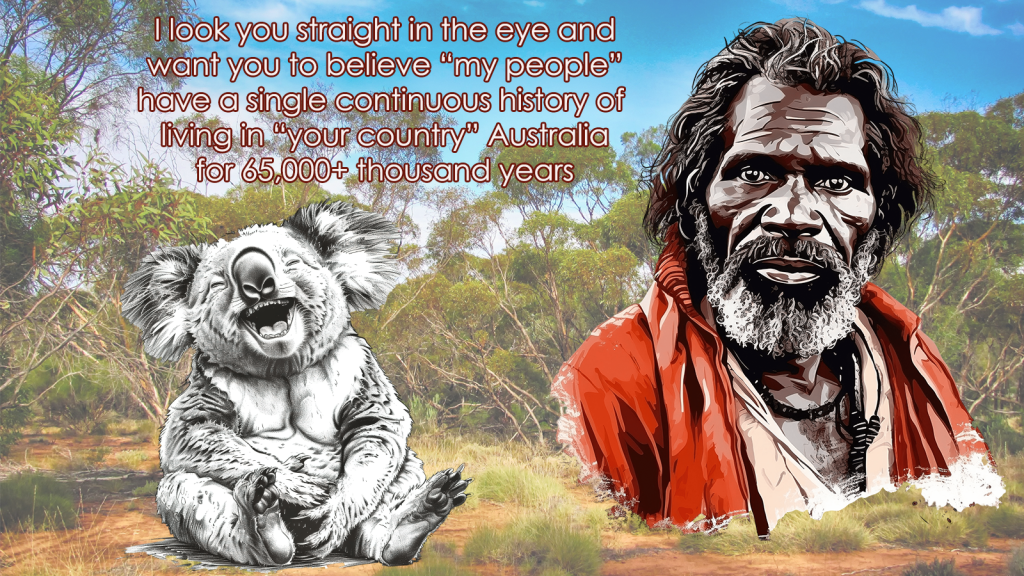
Myth makers are weaving a mischievous web of dishonesty when they assert such things as the Aboriginal people lived on the Australian continent with a single descendant bloodline for tens of thousands of years. That the descendants of the ‘First Peoples” lived in peace, knew every geographic feature in the landscape and knew where to find water and abundant food and were never lost is a fool’s paradise.
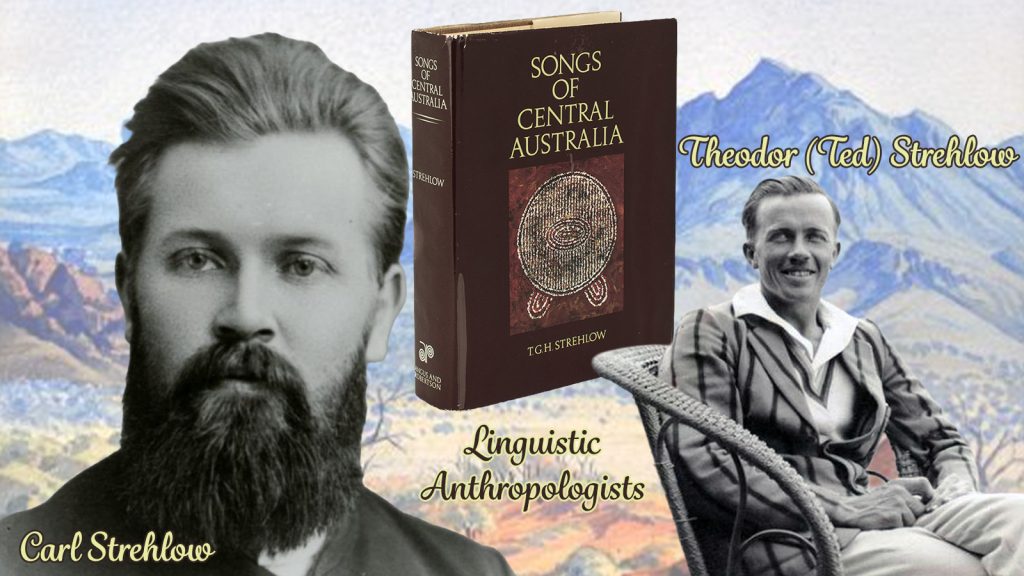
People like Carl Strehlow and his son Theodor (Ted) Strehlow not only knew the local native language but experienced living in the same land area as a number of local tribes. Carl Strehlow lived in the, then, remote Australian Outback for almost three decades (1892-1922), dedicating his life to evangelical work and studying the Aranda, Arrernte and Loritja languages, people and cultures.
Carl Strehlow’s first hand experience was handicapped by the fact that he never personally eye witnessed any sacred ceremony. This was due to his belief that his missionary status prevented his appearance at any pagan rite. Every song and every rite were tied to one particular sacred centre whether that be a tree or a cave or a hole in a rock wall. The song and the rite were considered the private property of some individual or group of men who had either “conceived” into the totem of that sacred place or who had inherited the tjurunga belonging to that physical space.
Theodor (Ted) Strehlow was born at Hermannsburg Mission in 1908. From early childhood he was fluent in English, German and the Western Aranda languages and he knew intimately many Northern, Southern, and Easter Aranda informants. He visited Germany as a child, studied at Adelaide University as a young adult and for the majority of his adult life he worked and travelled extensively throughout Central Australia to document Aboriginal traditions, poems, verse and songs. Ted was able to appreciate and disseminate dialectal peculiarities of the various Aranda dialects and also the differences between the poetic diction of their songs and the language of ordinary conversations.
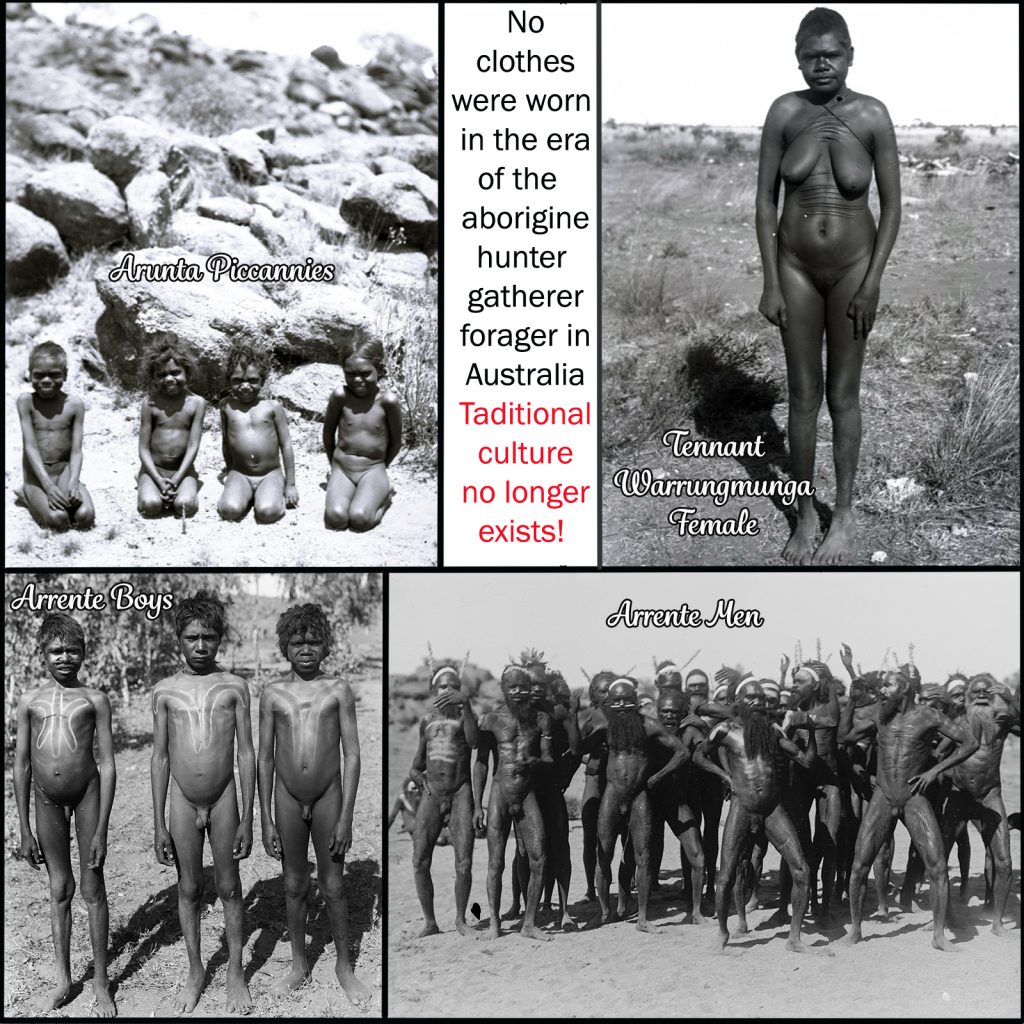
Warrior myths and songs were without doubt designed to glorify slaughter and to implant into the minds of young native men that a love of shedding blood would boost their traditional masculine personas. Designed to control primeval men’s blood lust… Once the passion to kill had been aroused, the warriors with bodies black with charcoal and spears in hand would go into battle to slay their enemy. One battlefield revered reward was to cut open the bellies of the slain enemy in order that their killers could eat some of the dead man’s raw kidney fat.
The night before a battle the young native warriors would dance around a blazing fire singing special warrior songs. The warriors drew blood from their subincised urethras and allowed it to flow over one another’s right shoulders so that their right arm might be fortified for the battle. During the evening prior to their departure, the young native men who had been selected for war like expeditions, were authorised to have sexual intercourse with women who were otherwise strictly forbidden to them. For example their mother-in-law.
Loatijira was the last great Angangkere (medicine man) and protagonist of the old pagan order in the Western Aranda area. He was born around 1846 and at the ripe old age of 81 years, he died in 1927. Loatijira remained strongly opposed to Christianity for most of his life. Living the wild free life of his country he was a staunch defender of traditional Arrernte beliefs, often opposing the mission’s influence. However, this senior medicine man, old and broken, succumbed to Jesus Christ’s teachings and love. He was baptised at Hermannsburg Mission in November 1923. The year after Carl Strehlow died. Loatijira’s Christian baptismal name was Johannes.
Ted Strehlow considered Loatijira’s death was part of the “passing of the old guard” of Arrernte elders who held the complete knowledge of the sacred song cycles. Gone was the undisputed authority on all Western Arrernte traditions, totemic rites, sacred songs, and social organisation. Gone was the man, and gone was the keeper of the sacred secrets only he had knowledge of to pass on.
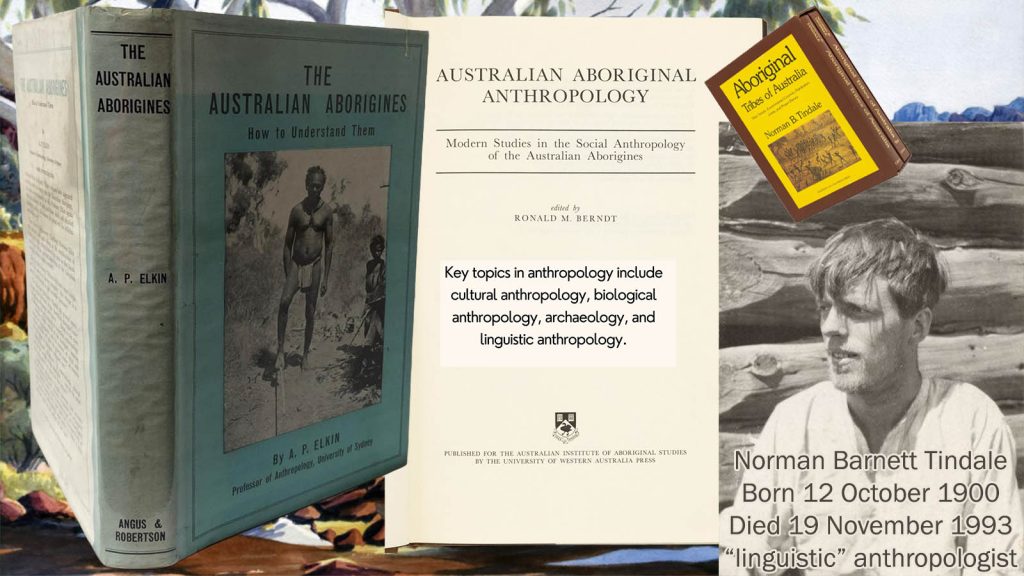
Ted Strehlow was an Australian anthropologist and author of the poetic heritage book “Songs of Central Australia”. Ted was a linguist anthropologist and who studied, collected and recorded over 4,270 Arrernte, Aranda, Unmatjera, Iliaura and Loritja local natives verses mainly between 1932 and 1955.
Ted Strehlow stated that knowledge of the old ceremonial language had already become extinct in several of the areas he collected his material from. In 1978 he sold photographs of “secret” initiation ceremonies to a magazine. Ted’s knowledge was enhanced by his father Carl Strehlow, Lutheran missionary, linguist and cultural investigator’s written work.
As Ted Strehlow reflected before he died, the time for obtaining reliable first hand information about the old Australian native aborigine culture had come to an end. From the 1950s no reliable informants have survived. Up to the 1950s some of the old Aranda native culture was still a living reality. Ceremony cycles inherited under the rules of the tjurunga ownership from their fathers and deceased male relatives died at least 70 past years ago. At the same time the male traditional owners and custodians of the secrets died. Sacred site tradition was strict, women and children may not see the tjurunga or the surrounding area on the pain of death.
Anthropology today teaches modern people identifying as political Aboriginals their mobs “cultures and language” mostly to help them claim crown land under modern native title legislation. Modern books such as the widely read and acclaimed Bruce Chatwin’s “The Songlines” have been regarded as having an “anthropological” quality. As such, the author used anthropological themes, anecdote, history and fiction to explore and tell a story around the human need for wandering to influence the imagination and beliefs of the reader.
No matter how many people and AI today cough up and splutter that the Australian Aborigines have the longest continuing culture in the world spanning more than 65,000+ years, the simple truth is there is no evidence. Nothing to prove that the native peoples across the Australian mainland continent and Tasmania in 1787 had a single culture. Or a unified rule of law. Or a parliament or government of any kind.
The hype is communist propaganda spouted in an attempt to deceive, divide and conquer the Australian Nation. The aim is to create a new sovereign Aboriginal nation with a modern made up culture.
Before the British arrived, there never was and never will be a written record of any local aborigine native language, culture or history. Guesswork plays an important role in determining most pre 1788 Australian history.
Customary law or lore was spiritually grounded to the Dreaming and enforced by local elders and varied significantly between local native family, clans, or mobs across the vast land mass continent. The respect for land or kinsman ship was not uniform or continental wide. As foragers, hunter-gathers the local natives knew the land as a means of survival it was not cultivated or owned by any individual. The land was not inheritable only the secret stories of the myths of the Dreamtime that were orally handed down from the elders to the initiated was inheritable.
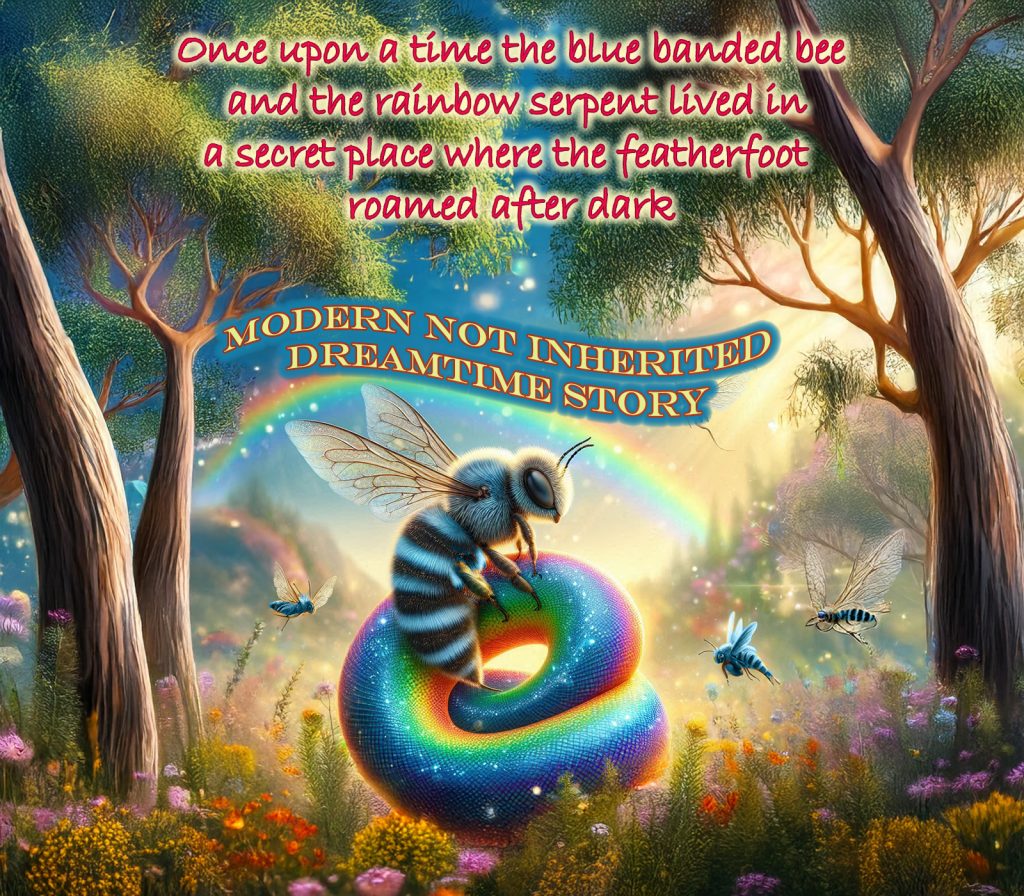
Ceremony is dramatization of a myth. Song, myth and rituals are exactly co-ordinated with oral erotic imaginary totemic acts. The “Blue banded bee of this place” ceremony is where the actor repeats the acts and songs of the ancestors. The decorations, the movements, the ceremony is the dramatization of a myth of that particular place.
The customs and practices within men’s and women’s secret business were strict and often cruel, with harsh penalties and punishments including death if the rules were broken or shared with the uninitiated. Men did not know what happened in secret women’s business and women did not know what happened in initiated men’s secret business. These cultural secrets were forbidden to be shared with children or outsiders and the secrets were handed down orally through the elders as an inheritance after a tribal initiation.
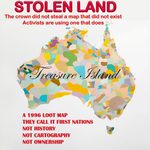
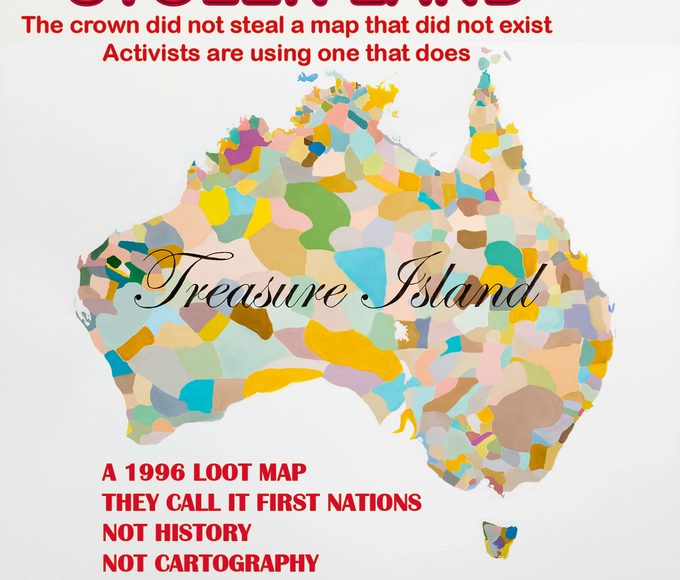
Before the British arrived the number of distinct tribes or language groups is unknown and estimates have come from anthropologists many, many years and generations after settlement in 1788 with very wide ranging estimates. There is without doubt no evidence of any continental level of government or overarching political structure. Heck, there were over 250 language groups who mostly could not speak to each other. The language map created by Norman Tindal finalised in 1974 has been used to assert tribal land holdings in 1787. This political Aboriginal mob land map is nonsensical fiction but is being treated today as if it was a historical and factual cartography.
The word corroboree was first used by the British in the early years of settlement at Sydney Cove. One story is the first settlers heard the local Aboriginal word caribberie and changed the word into corroboree to describe a dancing or sacred ceremony, festive celebration, or warlike meetings. Corroborees facilitated trade, marriages and ties across groups but these were transient and regional. Body painting and decorative ornaments were plentiful at these get togethers which did not indicate any unified government spanning the continent.
Corroborees could be held to mourn a death or to celebrate a marriage or the birth of a baby. Some corroborees welcomed the changes in the seasonal weather.
There were numerous types of ceremonies. Some are community celebrations for communal get togethers. Other corroborees are sacred and private ceremonies. Only specific people were allowed to attend and to partake in these secretive ceremonies. Corroborees compiled dancing, clapping slicks, chanting and body art.
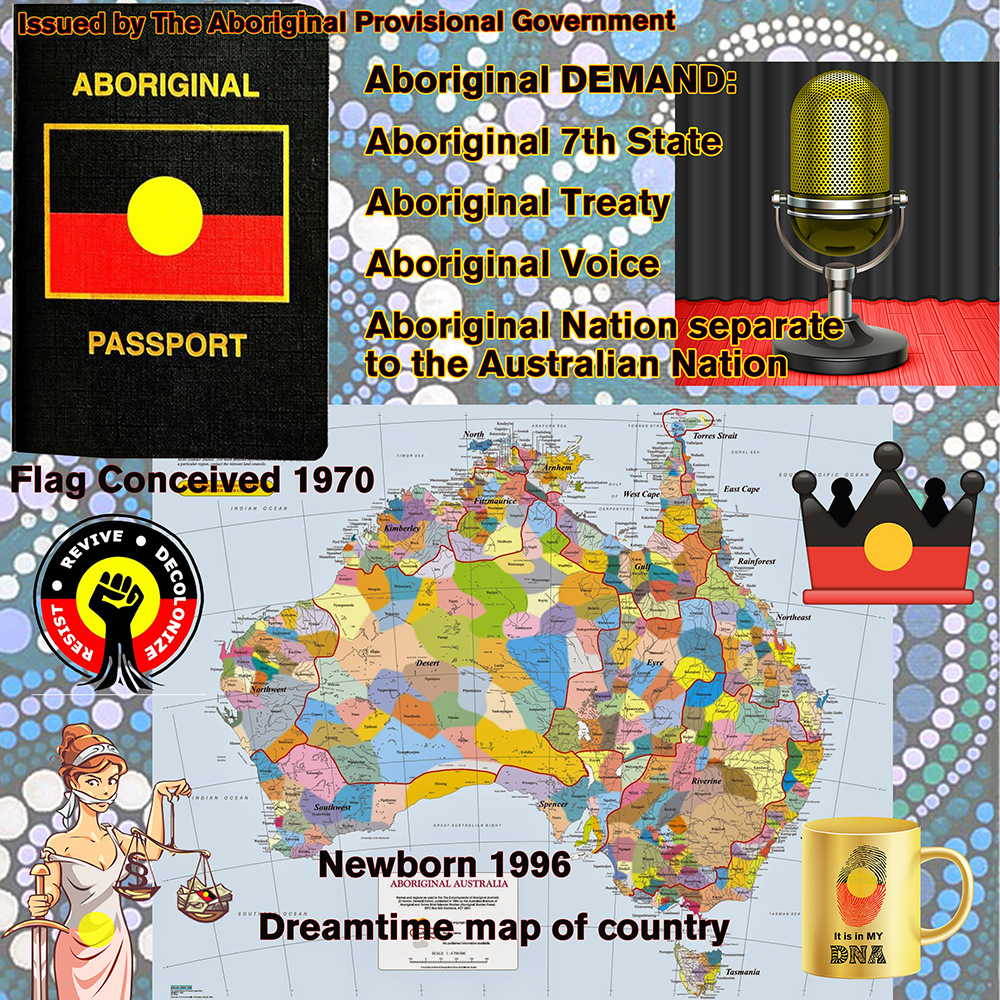
There is no evidence that local natives in 1787 knew or represented or cared about the overall shape of the Australian continent or their local area in a cartographic sense. Modern maps of indigenous “nations” are reconstructed on post colonial language group search, not per 1788 artifacts.
I repeat there was no unified continental structure, no individual ownership, or awareness of rule of law, government, or cartological awareness. In 1787 there was no continental government, no single rule of law, no common language, and no map-like knowledge of Australia’s full shape or mountain ranges or river systems.
No unified Australian identity or centralised systems of civilisation in any form. Modern concepts of ‘language group’ ‘people’ ‘cultural group’ ‘nations’ ‘indigenous’ were introduced and to avoid confusion with modern political connotations – ‘first peoples’ and ‘nation’ language is pushed through academia and governments and not via the quiet Australian.
The term nation appeared after 1970 (scholarship AIATSIS) to reflect a claim /shift of sovereignty. The shift to modern times does align with land rights movement. Politically motivated reframing as nation carries weight in modern legal and cultural context. First Nations is modern Canadian political terminology.
Localised customs may have used songlines and oral traditions to navigate and manage local territories. Songlines are said to have creatively mapped waterholes and sites that hid “sacred objects” and Dreamtime stories.
It is unreasonable to believe that all of the local natives prior to 1788 had 20/20 vision. There were no prescription glasses before the British arrived so the assumption that landmarks, such as rocks, or trees, or waterholes could be seen in the distance and used by all to map out mob territory has no validity.
The expression ‘Songline’ depicts the features and directions of travel that were involved in a song that had to be sung and memorised for the traveller to know the route to their end point. Bad luck for the mob if the singer died on the way or before the next trip! Particular Songlines were denoted as ‘Dreaming Pathways’ because of the trails said to shaped by Creator Spirits during the Dreaming 65,000+ years ago.
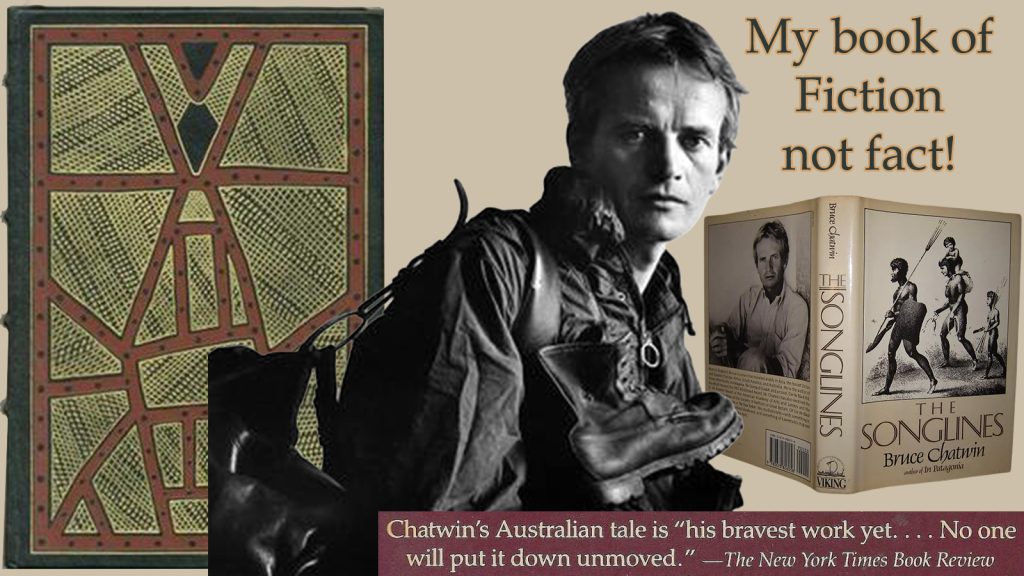
Mind you, the English term “songlines” was coined and popularised by Bruce Chatwin, a British travel writer, novelist and journalist who wrote a bestseller book titled “The Songlines” in 1987. He stated his book should be considered a work of fiction because of the veracity of various quotes and ideas he detailed about Aboriginal mythology in the book.
The book storyline is about romanticised Aboriginal nomadic travellers through the outback central Australian bush. Bruce Chatwin spent a total of nine weeks in the Australian outback. He first visited in February 1983 and then returned in March 1984.
On his second trip Bruce attended the Adelaide Writers Festival and then travelled in a rented Toyota Land Cruiser to Alice Springs and unlike in today’s reality had the privilege to climbed Ayers Rock. Bruce had secured a permit for two weeks to live in a remote community about 550 kilometres west of Alice Springs for research purposes. However, he found it difficult to converse with the local natives who did not speak English creating a language barrier and he was seen as an outsider. Shamefully, very little English was spoken in this homeland remote community in 1984. He gathered most of his material from land rights activists and other non aboriginal helpers.
In his book the pragmatist was also named Bruce. During the pragmatist’s time in Australia, “Bruce” and a group of local Aboriginal males get about the central Australian outback in a Toyota Land Cruiser. They were stranded in a remote community for a few weeks due to the heavy rain and floods during the wet season. Bruce connected his current situation in the story to with those of other nomadic cultures he had experienced in his travels to the Sudan, Niger, Patagonia and other countries around the world. He developed a thesis about the primordial nature of Aboriginal song and its links with the evolutionary settings under which human populations evolved.
“The Songlines” story is a mixture of fiction and non-fiction relating to the land rights movement, native culture and religion. Bruce Chatwin travelled the world for work and had a background in Antiquities, Impressionist Art, archaeology and interviewing political figures. He viewed himself as a storyteller, interested in bringing to life unusual tales.
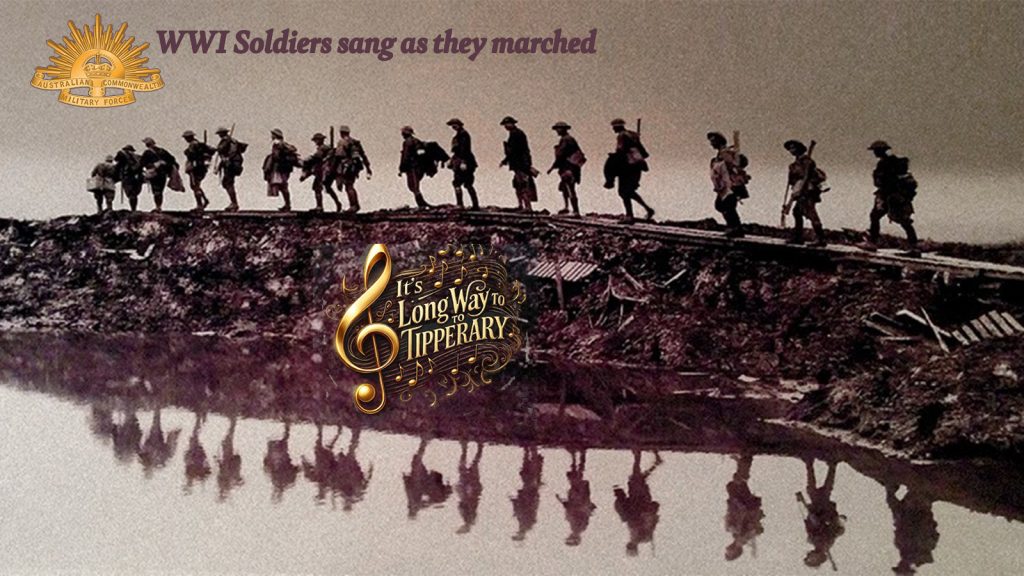
Bruce Chatwin asserted that language started as a song, and in the Aboriginal Dreamtime language sang the land into existence for the conscious mind and memory. As one sings the land, the tree, the rock, the path, come into being. The singers are one with the natural environment. In his thesis Bruce Chatwin combined Aboriginal culture with modern ideas on human evolution and argued that on the African Savannah humans were migratory species hunted by dominant feline predators. Concluding human wandering distributed “songlines” across the world eventually reaching Australia.
This idea prompts a suggestion that “A long way to Tipperary” is a traveller songline. The song acts as a mental map. It marks a specific route from London to Tipperary. In WW1 this song was a “cultural Passport” for home sick Irish expatriates and soldiers that defined who they were and where they belong. The song preserved memory and emotions across generations often shared in marches and community ceremonies.

Related Articles
Bluey’s Land, Title of Steel
They roll out a flag, and they chant at the gate,“Always was,...
Not a history map – Not a land map – Not cartography – A political weapon for the present
David Horton’s AIATSIS map is a late-20th-century collage of language groups and...
History Never Leaves Maps Alone After You Invent One Aboriginal People With the Right to Choose Their Own Status
Has any Australian parliaments ceded our country’s sovereignty to an Aboriginal nation...


Oh, Here We Go Again: Political Aboriginal Academics Claim High Court Got Australia’s Sovereignty Wrong
Sovereignty isn’t a legal footnote—it’s the bedrock everything else stands on. Because...
