Being a legal “Aboriginal” today is a wank! An over-the-top glorification of a character that no longer exists…
 Maria Rigoni24/02/202619 Mins read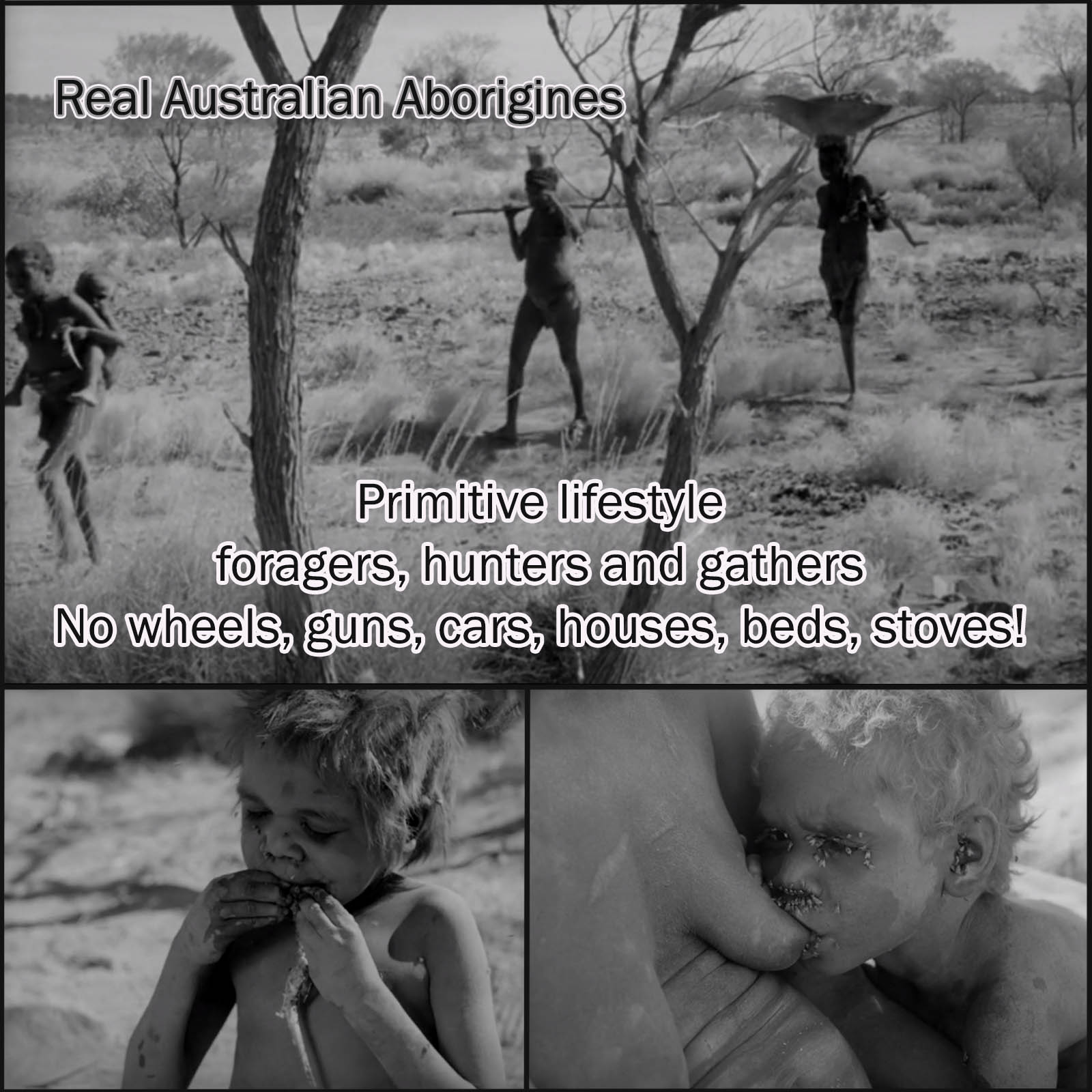
In good faith and in the public interest let’s start having some honest conversation about the numerous people who have been given credit for raising the modern Aboriginal flag as if it were their ancient ancestors who created it along with “their” country.
Race is not a biological fact it is a social construct. Something made up without scientific validity.
In my opinion, the simple truth is these modern political Aboriginal activists have damaged more people than they have healed. They have created a modern humbug Aboriginal Industry that has made a small number of people, with varying degrees of ethnic mixed descent, very well known and wealthy at the expense of the Australian taxpayers and social cohesion.
These modern “Aboriginal” political activists are racists – yes, as they are actively hostile to and demonstrate opposition to people with European and British heritage born in and living in Australia. People who refer to themselves as “Black” and with cruel and mischievous intent refer to fellow Australians as a race of “White” people living on “their” stolen land.
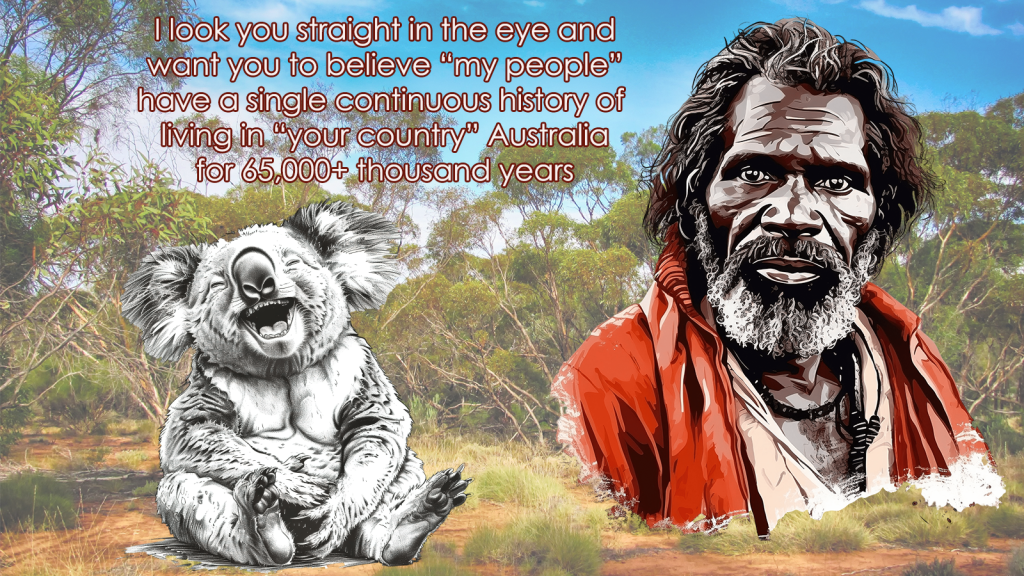
No first Australian natives exist today. Nor have any one of them for an unknown amount of time.
There is no record of who the first Australian natives were, what colour their skin tone was, where their parents came from, or if they stayed.
Pre 1788 there was no sovereign Aboriginal government. No parliament. No elections. No rulers. No formula to remove rulers. No common language. No common real property rights or any understanding of such, or the concept of cartography, or British Common Law.
The Australian people are sovereign under the Australian constitution because they approved the document and they hold the exclusive power to amend it via referendum.
Let’s do an enigmatical analysis of one famed Lois O’Donoghue (birth name Lowitja), a woman, who in my opinion, has been placed up on top of a very high false “black” race pedestal. A female who let everyone know her father, the son of Irish immigrants, was “wholly irrelevant” to her identity. Only her mother’s aboriginal bloodline mattered. This is a tragic, sad, Australian story.
Lois O’Donoghue received many honours during her long life: Commander of the Order of the British Empire, Australian of the Year, National Living Treasure, Companion of the Order of Australia, and a papal honour from Rome; Dame of the order of St Gregory the Great. In 1996 she was a contender to be Governor-General, and it has been suggested had Australians voted to become a republic, she would also have been put up for the nation’s first president position. Wow! Impressive but in reality I do not believe her intent was honourable or in the best interest the of the Australian people.
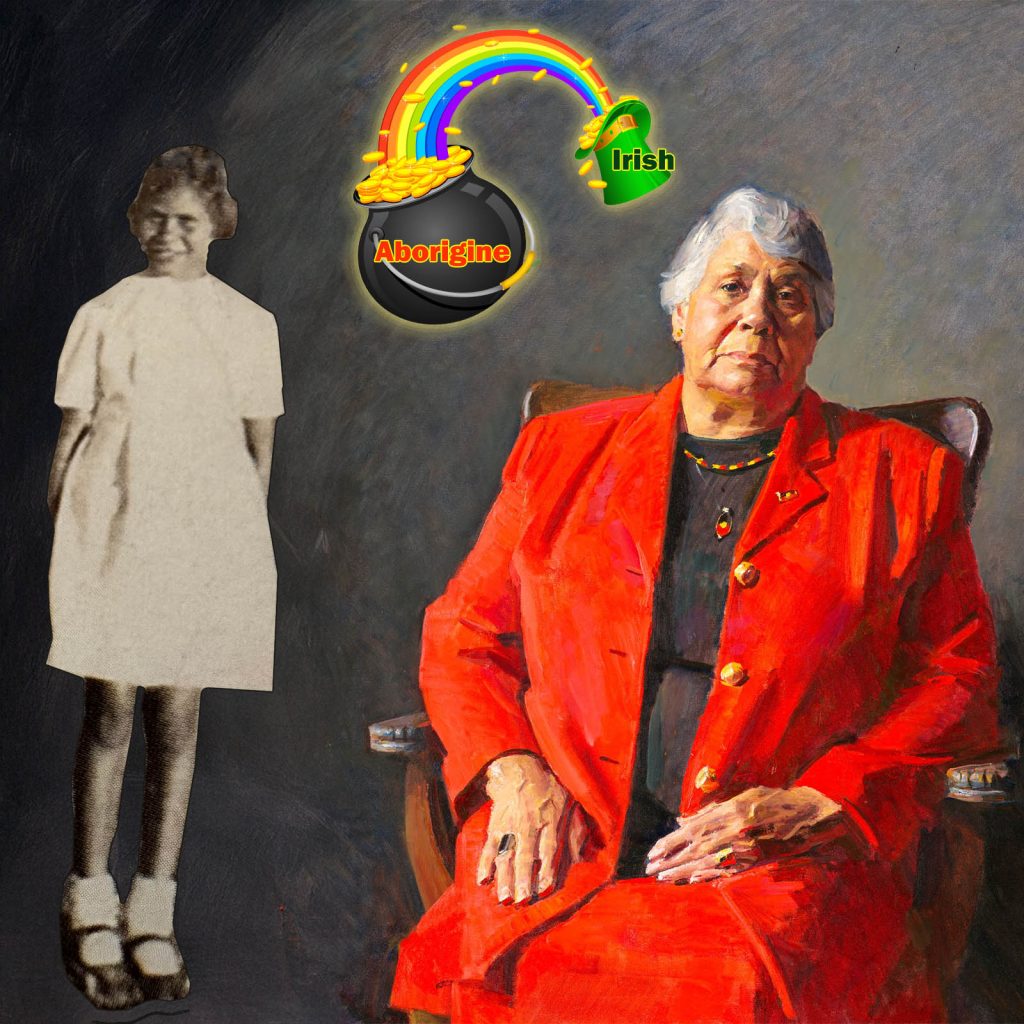
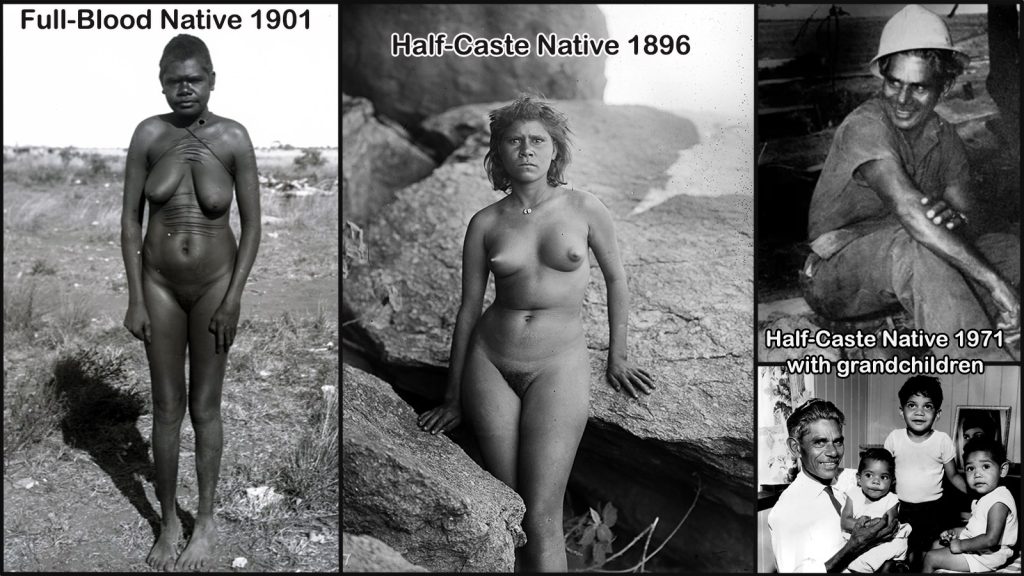
Let me be clear, Lois O’Donoghue, in my opinion, did not live as a traditional bush aborigine at any time in her life. She lived on her father’s cattle station until the age of two. From the age of two until her death at age 91 she lived in Australian civilised society. Lois did not live a forager, hunter-gather lifestyle roaming the countryside naked. Nor did she go on nomadic walkabout seeking food, water and shelter with primitive tools while participating in secret sacred ceremonies in the harsh central Australian landscape. In fact by the early 1900s only a diminishing number of local aborigine natives did.
I feel a deep sympathy for Lois O’Donoghue’s parents, especially her “white” pioneer spirited father due to the harshness and misguided reality of Aboriginal Protection laws at that point in history. In researching her life I have found Lois O’Donoghue’s story to be full of convenient holes filled in with what has drawn benefit to herself and her political position and her destructive “Aboriginal” activism. Looseness in the truth of people “telling of her story” is evident. To assume and assert her mother was her only parent to suffer loss and heartache is a cruel and wicked proposal.
Lois (Lowitja) O’Donoghue’s illegitimate birth in central Australia in 1932 was not officially registered by her parents. There were negative legal consequences for her parents if they did record her birth. The time, date, and exact place of her birth is unknown. She was given the Christian name of Lois and a birthdate of 1 August 1932 by a Children’s home nurse at Quorn in 1934.
In July 1998, Lois asked the South Australian chief justice for a birth certificate. The request was granted. The certificate issued is said to only have the information Lois wanted to see on the legal document. The name listed for the child was Lowitja O’Donoghue. Date of birth listed as 1 August 1932. Place of birth listed as De Rose Hill. Parents listed father – not stated. Mother – Lily O’Donoghue, born Granite Downs date unknown, occupation home duties.
Birth registration is a legal process. In my opinion, Lowitja O’Donoghue, showed that she was a very bitter, vengeful and sad woman who was allowed by “moral recovery” government officials to wipe her Australian born father from the “delayed” registration of her birth. She knew who her father of Irish descent was but she had the power to banish and hide his existence because her mother’s long-term lover was “white”. An Australian citizen like her mother but “white”. Lois publicly only saw herself as a “black Aboriginal” denying her “white” ancestry.
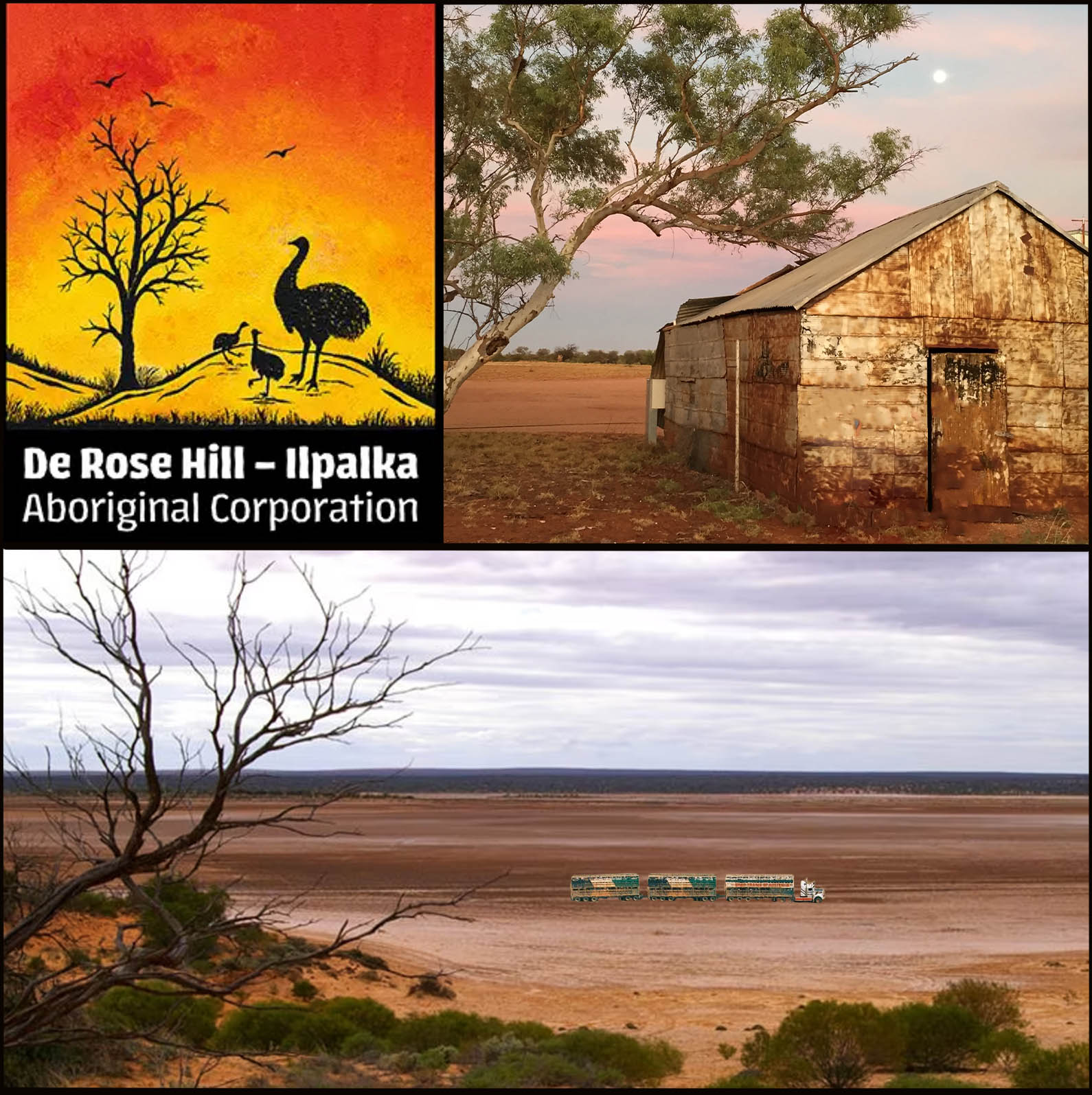
Lois O’Donoghue was born on her father’s pastoral lease cattle station as at De Rose Hill in the remote north-west of South Australia. Her father’s property mostly laid on deeper granite country. This means the deeper soil allowed for better moisture retention, supporting drought-resistant, highly nutritious oatgrass, which was excellent for finishing cattle. The pastoral lease covered about 1865 square kilometres and had an average rainfall of 230 mm (9 inches) per year.
De Rose Hill today has a Native title rights burden over the pastoral lease. In 1994, 12 people lodged a Native title claim which was refused. Later an appeal was lodged and Native title rights in 2005 were granted.
Lowitja’s mother worked on the cattle station completing domestic and farmyard duties. Lowitja is said to have been born in August 1932 the fifth of six children of Lily (Yunamba) Woodforde and Thomas Gregory (Tom) O’Donoghue. Living with Tom gave Lily the security of access to more consistent food, water, and protection provided by the station environment. The threat to the family was the South Australian Aborigines Act which stated that Tom and Lily’s relationship was illegal.
Under the laws of South Australia at that time, a marriage like Tom and Lily would likely to have been blocked by the Protector of Aborigines who rarely gave permission for marriage for station relationships. Tom in 1940 was criminally charged for being in a sexual/domestic relationship with Lily at De Rose Hill. Fined for “carnal knowledge” a term that legally stripped his 16-year commitment to Lily of any dignity, thus diminishing their shared love to a base crime in the public record.
Tom and Lily never married but shared a long-term domestic lover relationship. Lily was referred to by the officials as Tom’s lubra. Their unlawful relationship produced illegitimate children. Eileen born 1924, Geoffrey born 1925, Violet born 1928, Amy born 1930, Lois (Lowitja) born 1932 and a sixth child born 1935. Their sixth child Jimmy is said to have stayed with his mum and was not later handed over to a children’s home.
Lily Woodforde was known to have a daughter Bee Bee who lived with her after Tom left central Australia around 1940 to return to live in Adelaide.
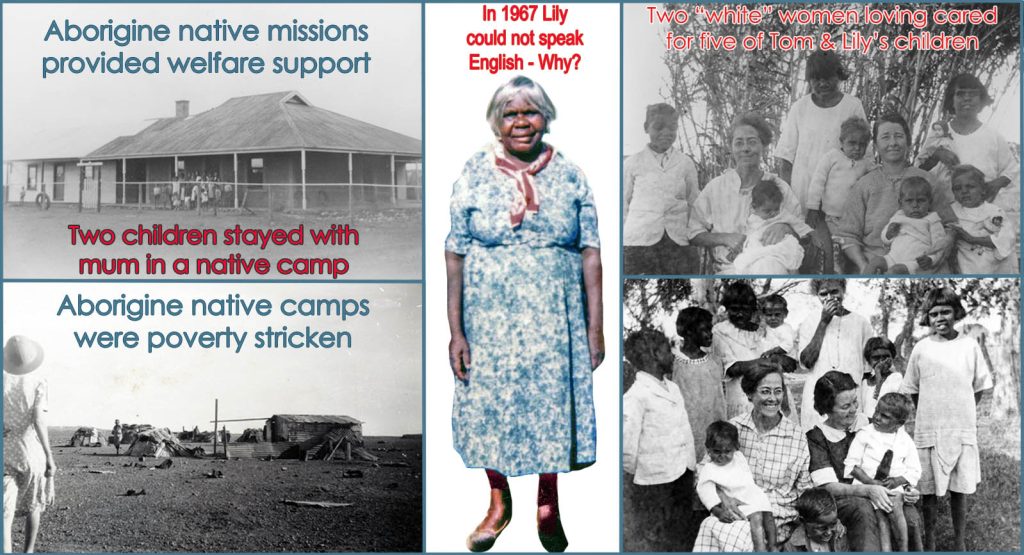
After Tom left Lily formed a new relationship and married an aboriginal ancestry stockman Frank Woodforde. Lily with Jimmy and Bee Bee were known to live in extreme hardship and poverty in a scrap iron shanty in an aboriginal camp on the outskirts of Oodnadatta. This household did not speak the Australian national language of English. It is suggested that Bee Bee or Bibi is the seventh child of Tom O’Donoghue.
Lois O’Donoghue and Eileen reunited with their mother over 33 years after they were voluntarily relinquished to a Mission Home for Half-Caste children. The meeting place was Oodnadatta. It has been claimed that Lois’s mother did not speak any English making communication difficult and the clothes she wore to the reunion were a gift from those two daughters.
There is no evidence or story told that Lois did anything to personally improve her mother’s non English speaking, “shocking and appalling” poverty stricken living conditions at the time or later. Her activist concern was not advocacy for her mother, rather it was to create a separate self-governing Aboriginal nation so “her people” could look after their own with out “white” man interference.
Lois O’Donoghue in 1967 was a professional woman navigating the affluent political Aboriginal activist world. It is a very fair and honest assessment to say that Lois did not remove her mother from poverty or developed a close mum and daughter relationship after their “family reunion”.
Another difficult truth is the 33-year gap in contact created by Aboriginal native legislation was an abyss that could never be fully bridged. There was no mother-daughter bond only strangers who shared a bloodline. Lois did not move her mother into her own home or bother with a personal rescue mission. Instead she used her mother’s bloodline and living conditions to advance her own political public servant aspirations.
Lois kept a “polite” distance from her mother facilitating visits and ensuring her mother met her other children and grandchildren in Adelaide. Lily never moved in with any of her children in the city, instead she remained in her community in Oodnadatta until she died.
Tom O’Donoghue was the youngest child of Timothy O’Donoghue and Margaret Clifford, Irish Catholic immigrants from County Kerry in Ireland. Tom’s parents married on 29 January 1876 shortly before his father left Ireland for Australia. A young Irish immigrant with just half a crown in his pocket and high hopes arrived in Australia alone. The couple’s first son Jeremiah was born in Ireland and arrived in South Australia with his mother in 1877. The young immigrant family settled in the Hundred of Pinda, South Australia living off the land with Margaret earning some additional money as a domestic servant. As pioneer farmers the family suffered hardship and heartache while raising a family of thirteen children.
Tom was born on the 12 October 1895 in Pinda, South Australia and died on the 24 May 1960 in Adelaide. According to official records at the Supreme Court of South Australia he died with a single man status. There is a record of a Thomas O’Donoghue marrying in Adelaide 1942 but this record does not have his middle name of Gregory recorded on it. While in the authorised biography, Lowitja suggests Tom had a hidden “white” family no public records appear to confirm this assertion.
Public genealogical databases for “Thomas Gregory O’Donoghue” (1895-1960) do not publicly link him to a specific marriage certificate in South Australia that aligns with his years at Granite Downs.
Obviously, legislation that didn’t just affect policy is the true “villain” in this complex family history. The laws tore through the actual lives and reputations of the individuals involved. The law forbade certain human relationships and actively worked to tear them apart. By criminalising the love bond between Tom and Lily, the government of the day ensured that Tom would in the end be forced to flee, leaving the children separated from their father and five children of their union from their mother as well.
Lowitja O’Donoghue and Lois O’Donoghue refer to the same widely recognised recipient of many awards and honours, an Australian “Aboriginal” political activist, Dr. Lowitja O’Donoghue AC. CBE. DSG. As a prominent public servant and political activist working in Aboriginal health and welfare, Lois became the first Chair of Aboriginal and Torres Strait Islander Commission (ATSIC) from 1990 through to 1996.
In my opinion, Lowitja O’Donoghue chose to be a legal Aboriginal and political activist because it was financially advantageous, publicly and personally rewarding for her to do so. She promoted political “Aboriginals” to move from being Australian citizenship towards a self-governing Aboriginal (her people) republic.
Legislation to provide for the Protection and Management of Aboriginal Natives was state based. In Victoria in 1887 the term “half-caste” included all persons whatever mix of aboriginal blood they had. Not all “half-castes” were deemed to be legal Aboriginal natives. Aboriginal was and still is a legal and political term and is not a “race” of humans.
Born in a time where the full blood aboriginal native population was in decline and mixed decent was increasing, Lowitja O’Donoghue is a state-mandated institutional care success story. Because she was conclusively removed from her “forager” roots. A separation she later spent her life highlighting as a source of profound trauma as “pictured” by her mind and asserted via her voice.
In the late 1930s a uniform set of child welfare laws were introduced across Australia and applied equally to all citizens regardless of their ethnic bloodline or descent. Children were only removed from their parents if they were found to be ‘neglected’, ‘destitute’ or ‘uncontrollable’.
Certificate of Exemption was not a marker of race, but of legal status. “Protection Acts” were applied to anyone “deemed” to be under the Board’s control. This included people with Chinese, Japanese, Indian, and African-American ancestry, all of whom were part of the fabric of the Australian community. An exemption Certificate was used by many people to secure their families safety, to access wages that had been put away, or to ensure their children could attend local schools without being removed by the board. The “Exemption” and the included legal guardian system was abolished in 1962.
In the late 1930s in South Australia Aboriginal protection laws forbade someone of non aboriginal descent to have a sexual relationship with or cohabitate with an Aboriginal woman. Tom’s relationship with Lily was found out and he was charged, summons and convicted of having “carnal knowledge of Lilly an Aboriginal”.
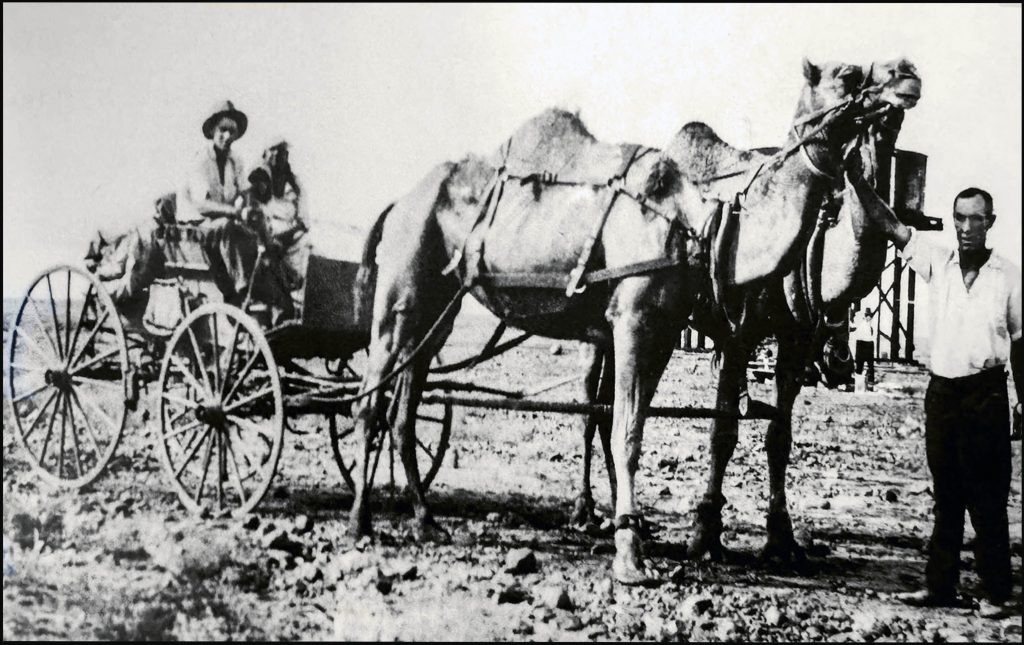
In a public and degrading manner Tom was humiliatingly fined £5- plus costs. In 1940 this was a significant amount of money. Due to this immense personal, financial, social and legal pressure he had reached his breaking point so he immediately abandoned Lily and his family in the outback. Tom returned to Adelaide to live out his remaining 20 years on Earth. There is no doubt that in the social climate of the 1940s Tom’s prosecution would have been a scandal that could ruin a gentleman’s reputation.
Tom and Lily were placed into a “no win” situation created by the Aboriginal Protection laws of the day. Their love relationship was legally reduced to nothing more than a criminal act making continuing his life with Lily untenable. The conviction would have led Tom to be blacklisted from high-level pastoral work and shunned by society in Adelaide. More so he was a marked man in the eyes of the Protector of Aborigines so if he stayed with Lily it may have led to further charges, higher fines or even imprisonment.
The charge of “Carnal Knowledge” was a direct attack on Tom and Lily’s relationship. The case was brought by a local constable at Oodnadatta. Tom did not deny his relationship with Lily who he had been living openly with at the De Rose Hill Station for the majority of two decades. The magistrate found him guilty as charged. The public humiliation of the trail, along with the ongoing grief of the loss of contact with his children and the death of his close brother Mick in 1934, Tom was left with a broken heart and spirit. The local constable reinforced Tom could no longer live with Lily unless they were legally married which every knew was not going to be allowed.
Tom had to choose between a life of continued legal persecution and possible poverty in the outback, or returning to the “safety” of his life in the city surrounded by his extended Irish descent family. There is no doubt his private life was criminalised by the state leading to the loss of his livelihood, his home and his outback lover. By the end of 1940 Tom chose to “walk away” and sold his interests in the station and moved to Adelaide, never returning to Lily or his children.
In the context of 1954 South Australia, claiming to be an Aborigine was a radical act of defiance because the entire legal system was designed to pressure people in Lois’s situation to do the opposite. People make claims that she was making a political and personal refusal to let the State “erase” her mother’s ancestry to make her “acceptable”. However, in doing so she obliterated her father’s ancestry, her full citizenship rights and the parental sacrificial requirements of the Aborigine protector legislators.
Yes, the perspective of the state governments around the 1930s and 1940s had a saviour complex that some say was deeply flawed and designed to “breed out” aboriginality. The fact is the policy, in a time obsessed with “blood fractions”, was a political, social and legal construction not a biological reality. Lois and her siblings were in many ways advantaged and not disadvantaged by the government policy.
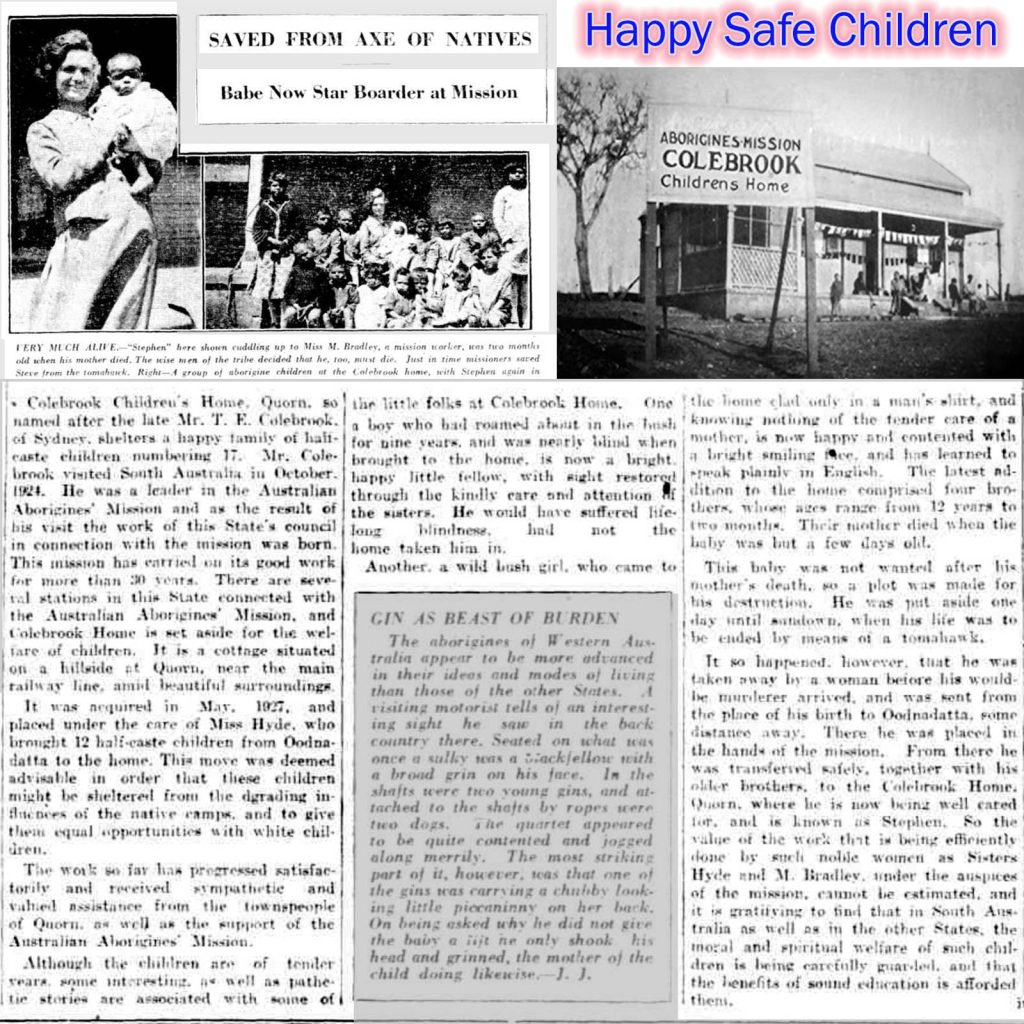
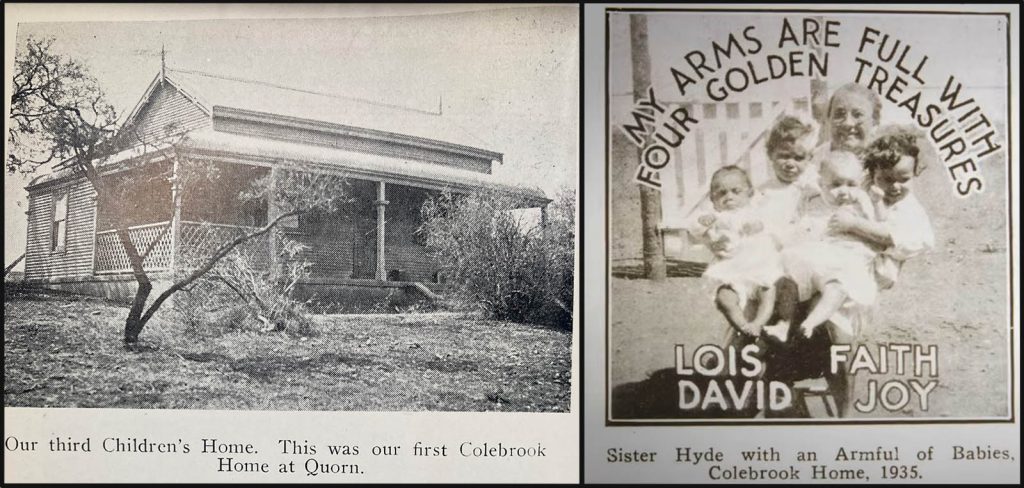
Colebrook Children’s Home was a place known for children to be able to climb trees, play in the creek, games of Kick the Tin and knucklebones. On occasions the children would find wildflowers as they walked to school along the Highway to Quorn, scrambling over dry rocks of the Stoney and Pinkerton creeks. Sometimes they would jump the fence to chase a kangaroo and neglect to go to school at all.
It is easy to say that the policy of the time was for native aborigines and for people of mixed descent to “think white, act white, and live white” to obtain an Exemption Certificate giving them full rather than restricted citizenship rights. “think white, act white, and live white” really meant “think civilised, act civilised, and live civilised”.
The term “legally white” never existed. The Aborigines Act 1934-1939 described the rights of an exempt person which gave them the same legal standing as “persons of European descent”. Lois O’Donoghue was a person of European and local aborigine native descent. No just one or the other. She was the daughter of Australian born parents. Both were native to Australia.
The honest truth is Lowitja O’Donoghue would never have become a nurse or could have risen to the high profile, highly paid “Aboriginal Affairs” Australian government positions she held if she had not had an Irish descent father who worked as a horse breaker, stockman and Station Manager in remote central Australia. Her father was an Australian man who decided to voluntarily hand his children over personally to an Aborigine Mission at Oodnadatta in 1927 and Quorn in 1934 for them to be raised in a civilised rather than a harsh pioneer cattle station daily existence.
Tom O’Donoghue was realistic that in remote central Australia his children could not be educated and cared for in the traditional British civilised way. Lowitja and four of her five siblings were given up by their parents and not stolen through government intervention. Her Irish and local aborigine native heritage were biological fact, her Aboriginal identity becoming her soul and her struggle was a personal choice that served her psychological needs and her desired social status.
Strictly regimented United Aborigines Mission staff raised Tom and Lily’s children as institutional wards of the South Australian government. The same destiny transpired for two of Lowitja O’Donoghue’s Half-Caste first cousins. These children were well cared for, loved and lived in the same home.
The Children’s Home for legally defined Half-Caste children was opened in 1924 at Oodnadatta and named The Oodnadatta Children’s Home. The children’s home was established by missionary Miss Annie Lock and after 12 months was run stably and lovingly for 27 years until the retirement in 1952 of the dedicated carers Matron Ruby Hyde and Sister Delia Rutter.
In 1927 the home was renamed Colebrook Home after it moved to Quorn. Due to water shortages the home moved from Quorn to Eden Hills in the Adelaide foothills in 1944 then in 1972 the home was relocated to Blackwood until it closed in 1981. Approximately 350 children were cared for in the home from 1924 to 1981. The boys living at the home were mostly trained for agricultural positions and the girls for domestic services. The children’s working life usually commenced when they turned 16 years of age.
The original local native “Aboriginal” way of life in Australia cannot be oversimplified as a link to land, language, and kinship. Aboriginal society knowledge was localised, gendered and age-stratified. Men’s and women’s business are distinct realms of “Secret/Sacred” knowledge. A mother cannot teach her son the men’s law and a father cannot teach his daughter women’s law.
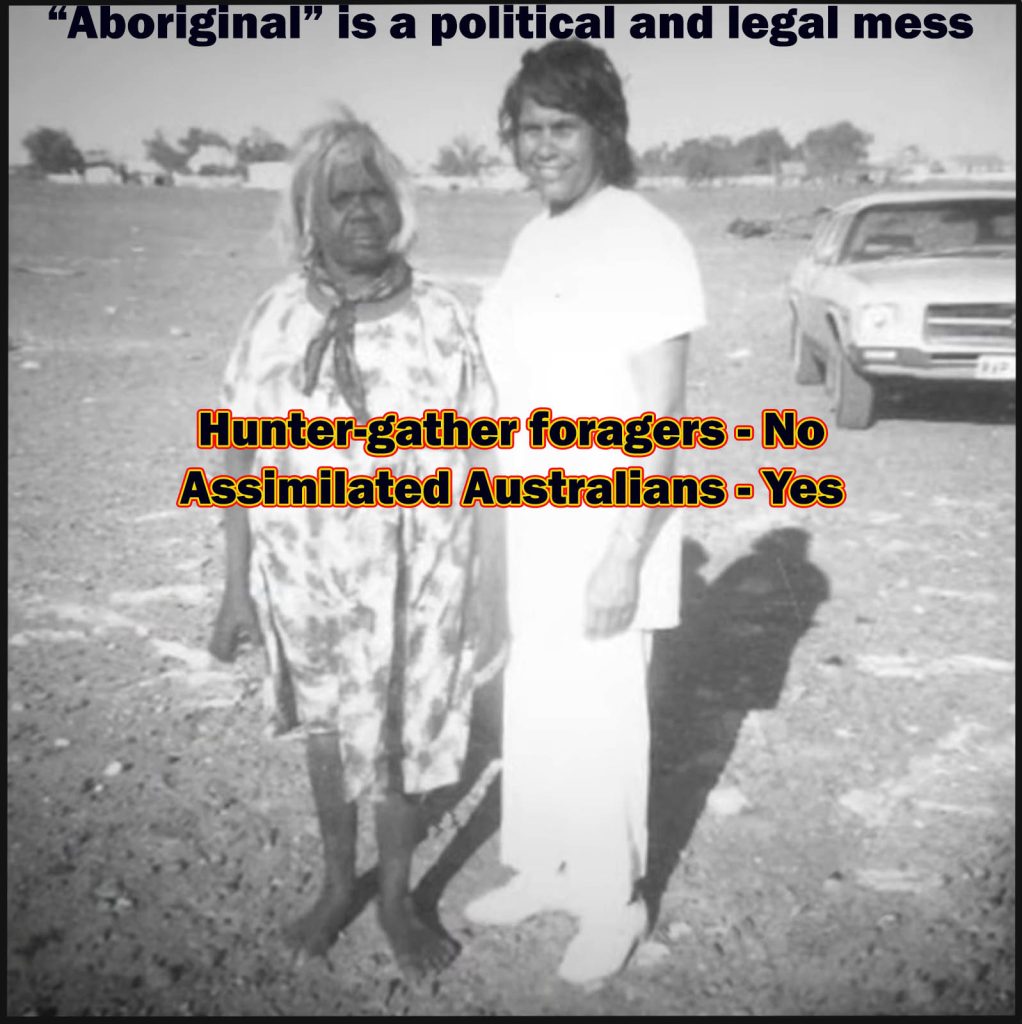
As a result of her Irish born father placing Lois into the care of Colebrook Home, the State government, not her mother or father dictated her future education and her movement into the workforce. Lois was not separated from all her immediate and extended family so she was not alone or denied family love. Records and her authorised biography convey that her father personally delivered her and her siblings to the mission in 1927 and 1934 before he permanently left the area in 1940. It is relevant to note that Lowitja often stated that she never met her father. Evidence suggests she did met her father but had no memory of him as a person.
An inconvenient truth in time is the later definition of “separation” used by the Stolen Generations and the Bringing Them Home reports which for some obscure reason focuses on the severing of the maternal and cultural bond, rather than absence of biological kin or the father.
Another inconvenient truth is that while in the eyes of 1950s society with her darker skin tone she was never going to be seen as “Irish”. Let us not forget she did not have to be seen as “Aboriginal” either. In her adult life being seen as “Aboriginal” gave her self-empowerment to take advantage of her mother’s ancestry at the expense of her father’s Irish ancestry.
By being removed at age two Lois and her siblings and cousins were cut off from the “Secret/Sacred” traditional knowledge of her tribal heritage. However, there is no evidence to suggest that if she had stayed living with her parents on the cattle station that she would have been introduced to “Secret/Sacred” tribal knowledge – the staged process of initiation and learning that used to occur in the olden days from childhood through to elderhood according to local native traditional structures.
By choosing to stay legally Aboriginal Lois deliberately held a place for herself in a culture and way of life that no longer existed as it did and with other political activists she built a bridge to the opportunity to invent a new political movement based on a new cultural structure.
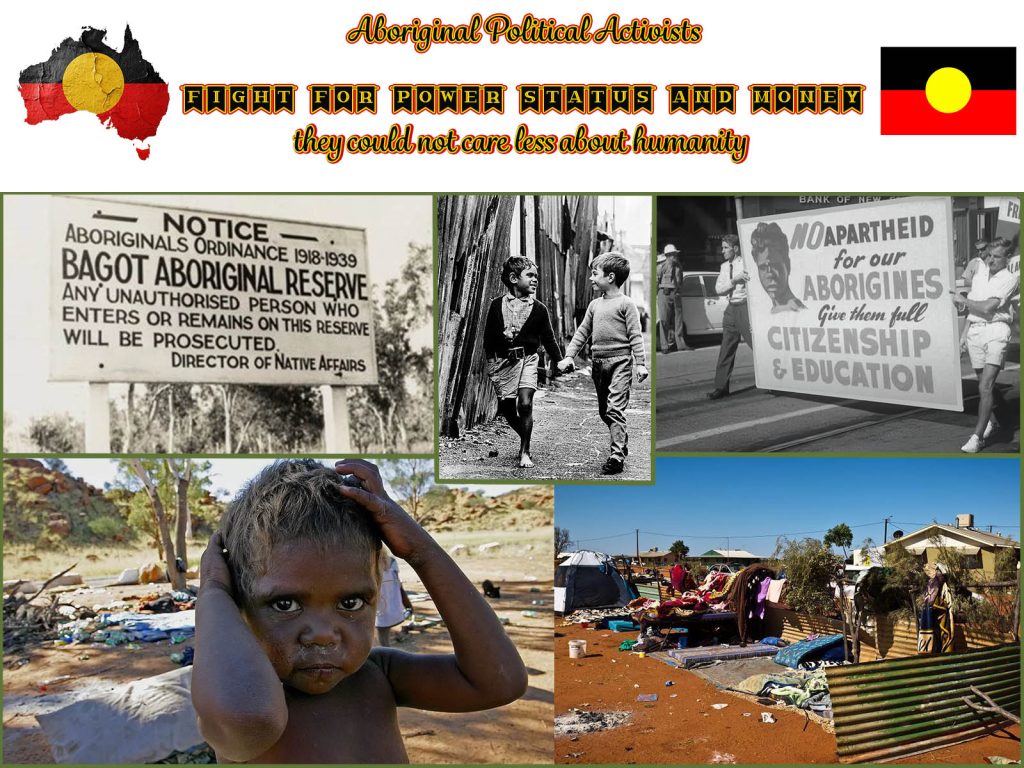
In the early 1900s the forager, hunter-gatherer primitive lifestyle of the pre-1788 local natives legally called aborigines who resided on the Australian Mainland and Tasmania was quickly being made extinct for no other reason than it was a primitive and a not practical or desired lifestyle in a modern world.
After first contact with the settlers there was no surviving local native law governing the land because there was no surviving local native society capable of enforcing one. There is no living person who can demonstrate continuity from a local native society that existed in 1788 because no such society survived long enough to transit law, authority, or estate-based identity across generations. Sexual copulation between the local natives and the new arrivals occurred well within the first year of the first fleet arriving at Sydney Cove and much mixed descent has occurred in every generation since.
There was no intention of genocide as described and claimed by many of today’s communist aboriginal activists. This is proven by viewing all Australian law since 1788. Why would governments across Australia have Aboriginal Protection legislation if its intention was to “kill” or “kill out” the mob? The truth is it would not.
Only a cruel ignorant government would allow a primitive forager, hunter-gather lifestyle to continue to exist side by side a modern society instead of encouraging inevitable integration into a civilised world.
The “Aboriginal People” is primary a political legal term. It was common in the early 1900s for the law to categorise individuals based on “blood quantum” to legally define them as Aboriginal Full Blood, Half-caste or an Exempted Person. By 1954, in South Australia, anyone claiming descent from a pre-1788 native inhabitant of Australia was legally changed for these individuals to be deemed as a legal aborigine regardless of “blood quantum”.
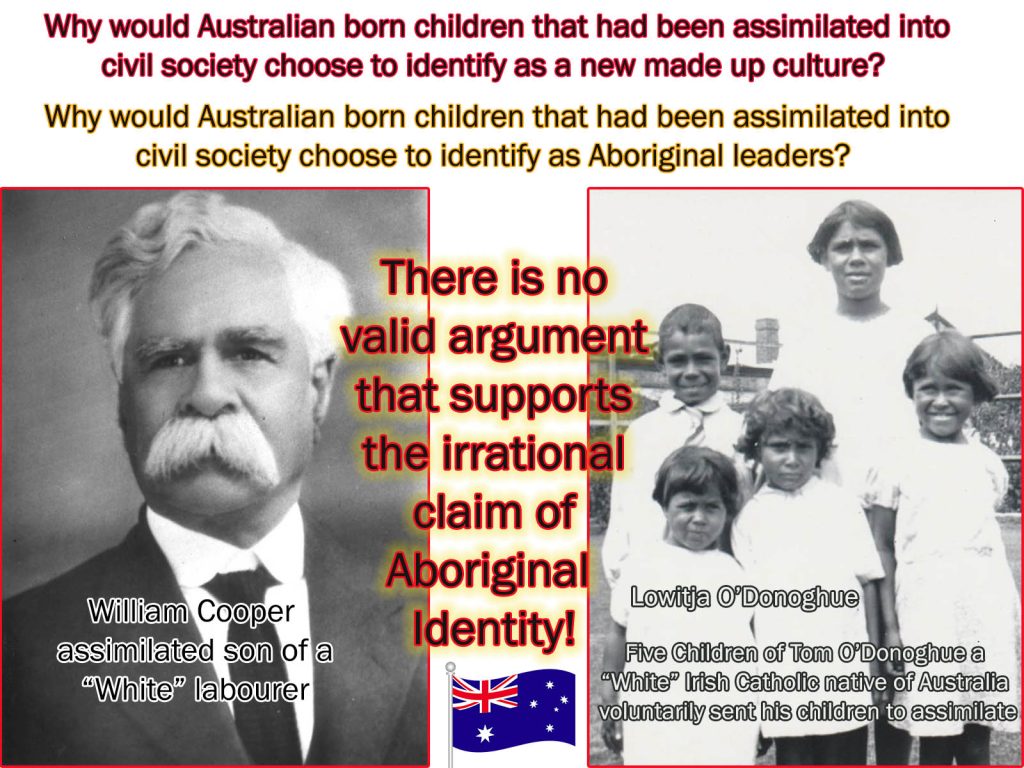
In 1954, Lois O’Donoghue occupied a dual legal status in South Australia that reflected the transition from strict protectionism to assimilation. While training as a nurse (Nursing, Midwifery, Mental Health), her status was legally defined as deemed to be “Aborigine” under the Aborigines Act 1934-1939, she refused to apply for a Certificate of Exemption whereby she would not have a legal status of “Aborigine”. Lois (later Lowitja) wanted a legal status of Aboriginal person but also wanted everything else and more that was offered to non aborigine Australians across the Australian society.
In 1954, Lois O’Donoghue joined the communist ideology Aborigines Advancement League to fight for wider rights for “Aboriginal” people. Her people! The Aborigines Advancement League (AAL), established notably in Victoria in 1957, was a key organisation advocating for Indigenous rights in Australia. They were often supported by or involved with members of the Communist Party of Australia (CPA) and trade unions in campaigns against targeted legislation, and for land rights. Through her actions Lois obviously did not consider herself to be an Australian.
Being an “Aboriginal” then and still does today hold out dated irrational race illusions together with practical political and legal power.
Lois O’Donoghue personally influenced the Federal Native Title legislation. Her purpose as chair of ATSIC was to divide Australians into “White vs Black” race groups. This was to ensure maximum participation of Aboriginal and Torres Islander people in government policy formulation and implementation to self-government. She was to further “Aboriginal” economic, social and cultural development, paid for of course by the “white” Australian taxpayers.
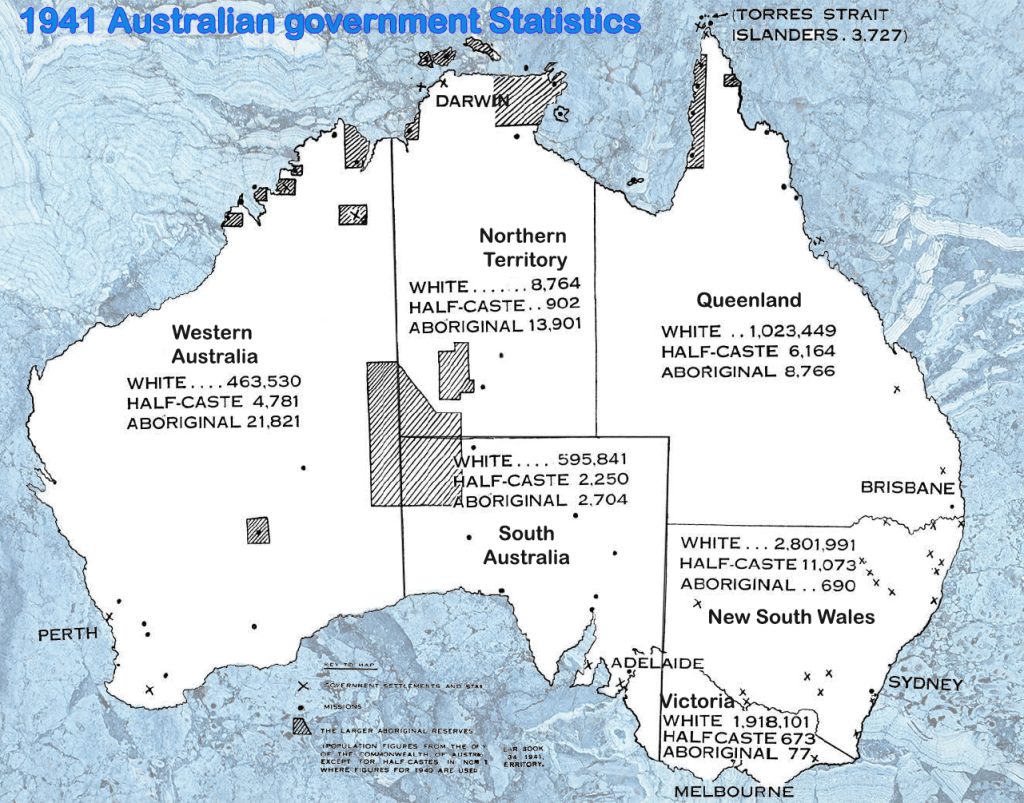
Anyone who says “Aboriginal” is a race of humans is either ignorant or just plain lying. In my opinion, the term “Aboriginal” today is a communist based political activist group that want to make a new sovereign state on what is currently Australian sovereign land.
At the age of two Lois O’Donoghue, together with her two older sisters Violet and Amy, were handed over to an aborigine native mission by their parents. The date, time and place of their births are unrecorded. Lois became a ward of the South Australian State in the non denominational Protestant Mission, Colebrook Children’s Home in the town of Quorn in the Flinders Ranges. There she was reunited with another elder sister, Eileen, and her brother, Geoffrey, and two O’Donoghue first cousins, Parker and Steve, who had been at the mission for seven years.
Like most children separated from their mother Lois had a longing to find her and was reunited 33 years later. At the age of 16 years Lois was employed as a domestic worker for a large family in Victor Harbour where she was encouraged to work as a nursing aide at the local hospital. After two years she was employed as a nursing aide near the sea and completed some basic training before applying to be a student nurse in Adelaide.
During interviews Lois O’Donoghue revealed that she had a very happy childhood living at the Colebrook mission and received a sound education through attending Quorn Primary school and later the Unley High school progressing to Leaving Certificate education level. The local community at Quorn welcomed children from Colebrook to participate in local events and assisted in the maintenance of the home. Objection to integration was rare in her experience.
In 1954 it has been stated that Lois became the first “aborigine” to train as a nurse at the Royal Adelaide Hospital and over her ten year employment there eventually progressed to the position of a charge sister.
When there are no birth records family ancestry linage is questionable. This “I am an aborigine” record needs to be challenged because she was at the very minimum a “half-caste” defined as a person with local native and British ancestry. Lois Lowitja was never a full-blood local aborigine native and a questionable direct descendant of a “full-blood” local female aborigine native.
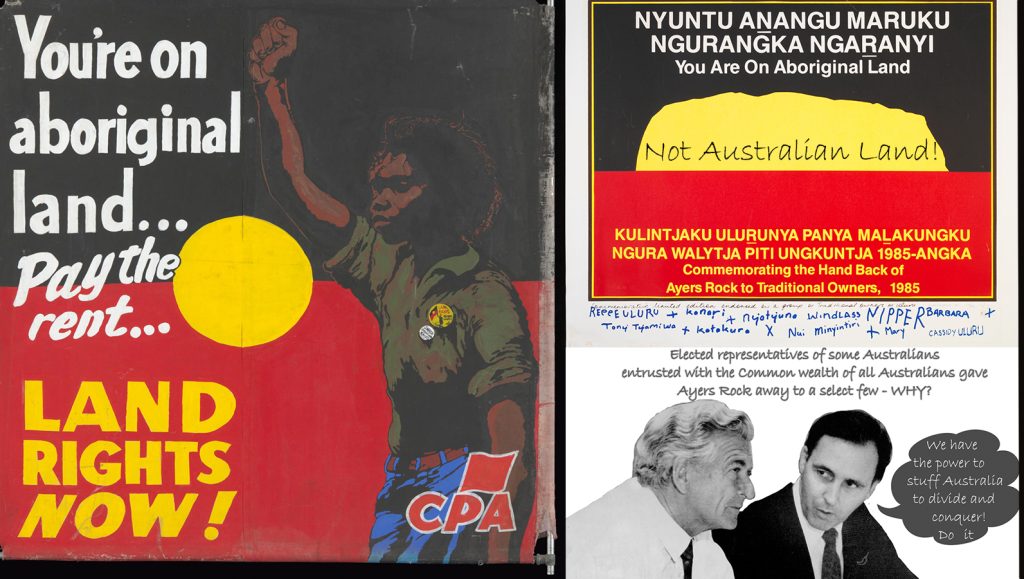
It is accurate to say that during the 1960s Lois O’Donoghue became very politically active in the new Aboriginal Race Legal Rights political movement. As an educated assimilated Australian it was easy for her gain political appointments in the government and move quickly up the ranks into powerful “Aboriginal Affairs” political positions.
Lois O’Donoghue joined the federal office of Aboriginal Affairs and working in the South Australian office was soon promoted to regional director. In 1977 she was elected to founding chairperson of the National Aboriginal Conference the first of many that came and went on a political whim. Illustrious career – in 1990 she was appointed as the first chairperson of the Aboriginal and Torres Strait Islander Commission the statutory authority created by the late Gerry Hand – Hawke government. There would be no Native Title Act without her leadership and wisdom. She was the lead negotiator with Paul Keating’s government and led all involved to a resolution of revolutionary legal issues that has so far stood the test of time over three decades.
Lois O’Donoghue was instrumental in ensuring the High Court’s 1992 ruling was translated into functional law, with Noel Pearson describing her as a key figure in defending “Eddie Mabo’s great legacy”. Without Lois the “Aborigines” would never have had the Native Title Act and the Indigenous Land Fund.
Bob Hawke quote: “In Australia there is no hierarchy of decent. There must ne no privilege of origin. The commitment is all.” Freedom, Fairness, Justice, Peace. Yet the opposite is what his and following folly governments secured in legislation.
DNA cannot prove race. Race is a social construct not a genetical fact. Humans are 99.9% identical at DNA level. There is no genetic basis for race. Race cannot be found in genes. Biologically ancestry is real. Where our forebears may have originated from can be seen in our DNA to a certain degree but ancestry does not map onto race, not even close.
In today’s world you are either an Australian or an Aboriginal you cannot politically be both.
Related Articles
Bluey’s Land, Title of Steel
They roll out a flag, and they chant at the gate,“Always was,...
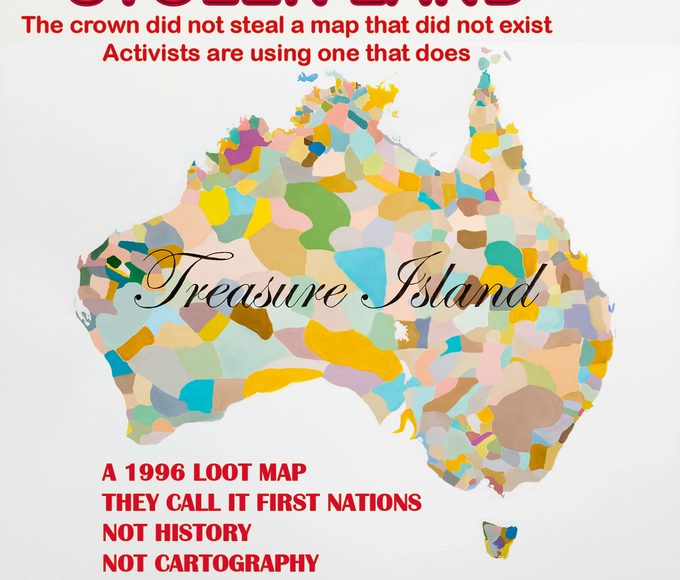
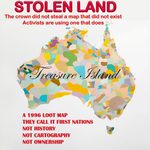
Not a history map – Not a land map – Not cartography – A political weapon for the present
David Horton’s AIATSIS map is a late-20th-century collage of language groups and...
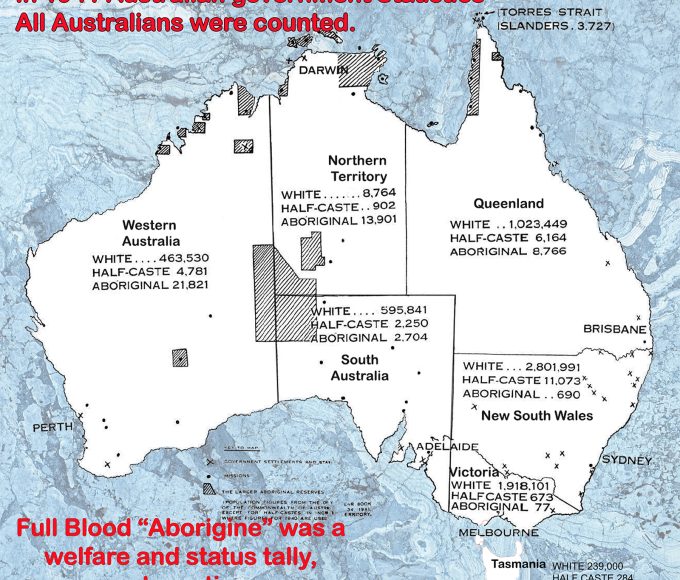
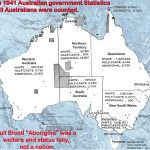
History Never Leaves Maps Alone After You Invent One Aboriginal People With the Right to Choose Their Own Status
Has any Australian parliaments ceded our country’s sovereignty to an Aboriginal nation...


Oh, Here We Go Again: Political Aboriginal Academics Claim High Court Got Australia’s Sovereignty Wrong
Sovereignty isn’t a legal footnote—it’s the bedrock everything else stands on. Because...
