

Born emersed in the Australian bush and died emersed in Australian civilisation David Gulpilil Part 3 of 3
 Maria Rigoni04/11/202510 Mins read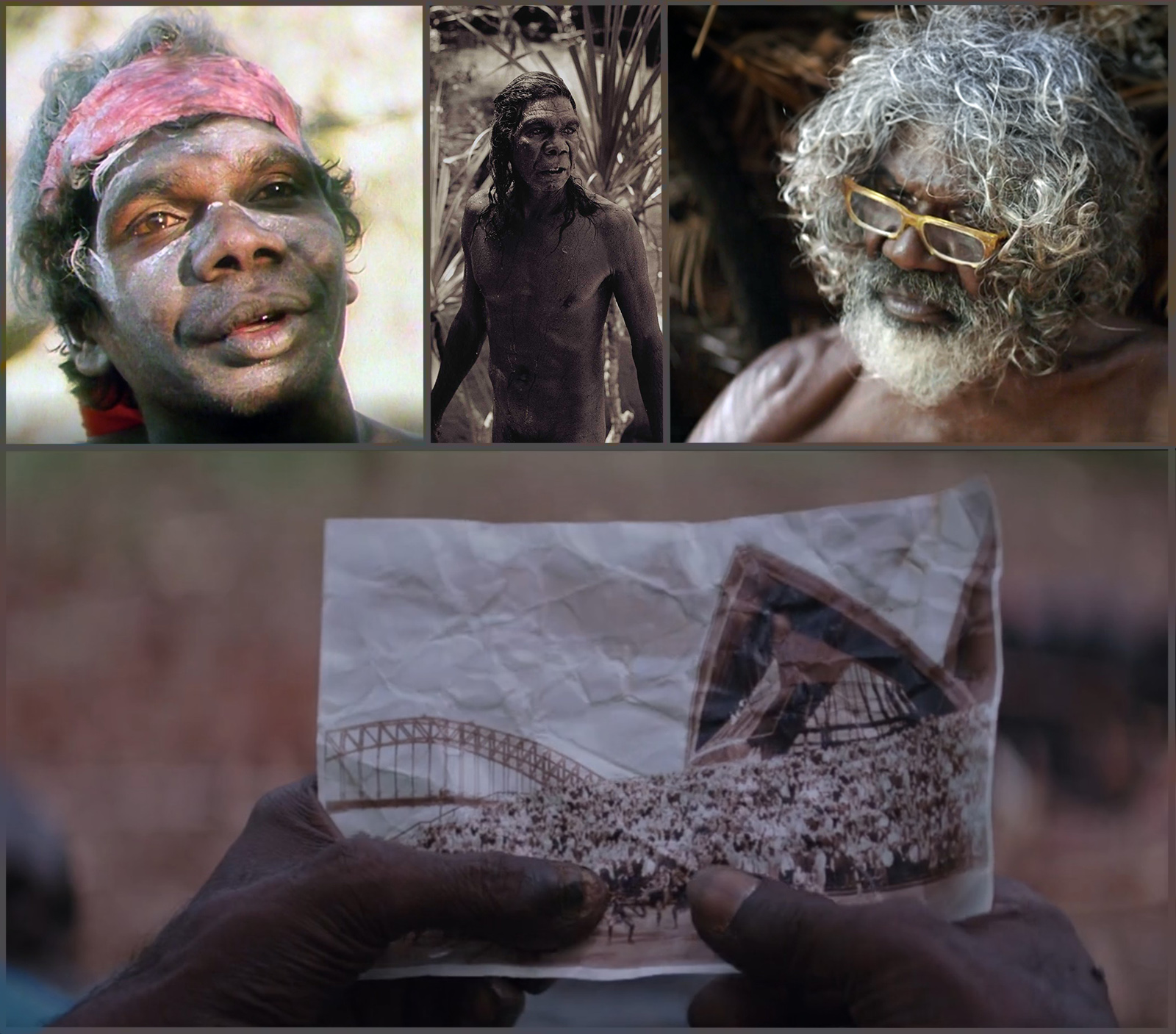
Airlie Thomas, a whitefella nurse was David’s on and off de facto wife around 1990 -1993. Airlie Thomas believed David had an internal conflict. He wanted a much better life that he saw people had within the whitefella community but failed to understand how he could have what the whitefella had without removing himself from his own culture. In 2002 Airlie said “He fails to understand how it all works. So he works to get paid, but I don’t think he will ever earn enough to get the lifestyle he wants because most of it disappears among his family.”
That is one big regret that David carries and he needs to see the humbug culture be cured and the open wound left behind healed.
Family life was not a priority in many local native artificial town communities. Everyone was related to everyone in the village that raised and educated the children. The men often had many wives living together at the same time. No respect for female dignity. Being part of a family unit with one mother and one father as parents solely responsible for the care of their children was rare. Communal ownership of everything is the modern Aboriginal way (communism) pretending to be a boomerang to forager-hunter-gather ways.
The Aboriginal culture insists that men are the dominant boss and submissive women and children are poorly treated often in violent ways. Secret men’s and secret women’s business is a reality not myth. “We can’t tell young boys or balanda (whitefella) what happens at ceremony or initiation. This is only for us.” Pointing the bone is still feared. This hierarchy of modern and traditional customs and laws stopped, and still does stop individuals from building a personal asset base and stifled pride being seen anywhere. Fear is seen on faces and heard in cries when trying to escape this despicable lifestyle. It is no wonder that drugs and alcohol dependency is a common modern Aboriginal condition.
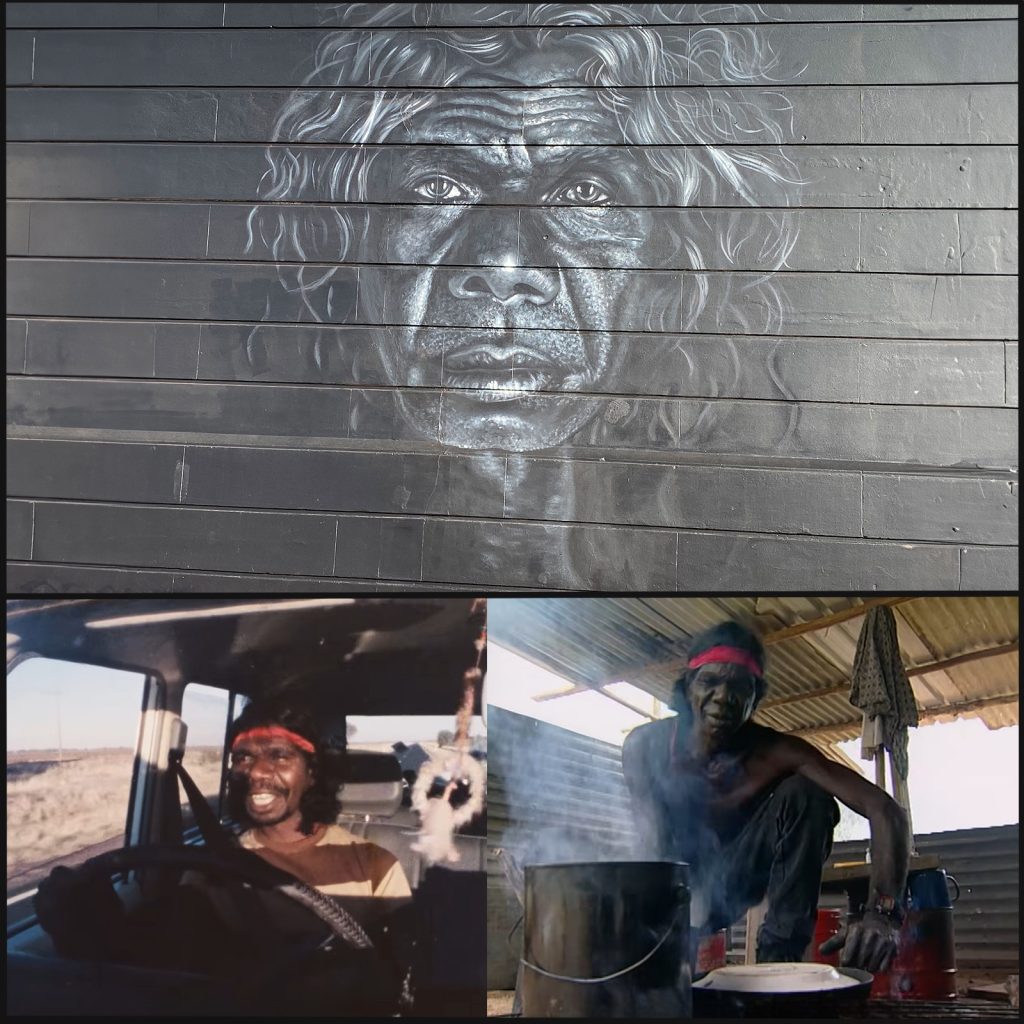
Media reports and court documents reveal Makia Mc Laughlin one of David’s two daughters was born in 1989. Her mother is identified as a Yorta Yorta woman Lisa Mc Laughlin. Makia and her three siblings were placed in foster care in 1992 after being removed from her mother and de facto care by the Victorian Department of Health and Human Services. Removed due to concerns around her mother’s ability to protect the children amidst excessive alcohol consumption. Makia was separated from her half siblings as there were significant age-gap and differing needs. There are claims of multiple sexual abuses during her childhood by her mother’s de facto husband and her foster parents.
Makia moved foster homes a reportedly 20 times. As a child she exhibited challenging behaviour, excessive alcohol consumption, marijuana use and was sexually active with an 18-year-old from the time she was 13 years old. As an adult she has had many battles with mental health, homelessness, drug and alcohol abuse and repeated run-ins with the law.
Makia moved back in with her mother in 2003 but this only lasted two years due to a conflict between the mother and daughter. Makia did not know she was David Gulpilil’s daughter until she was 16 years old and when she was 30 in 2019 crowd funded $4,000- to travel from Shepparton, Victoria to Murray Bridge, South Australia to spend some time with her father after he was diagnosed with terminal stage 4 lung cancer. After her father died she became dependant on ice and alcohol and committed as series of violent crimes to support her habit. She has served time in prison.
Phoebe Marson is David Gulpilil’s other daughter. Her mother was of Scottish decent. Phoebe runs a Melbourne based business specialising in First Nations engagement, governance and systems reform. Phoebe claims she is grounded in her Yolngu heritage. A woman of the Mandhalpuy people who was shaped by the support and wisdom of her Scottish English family. She has previously been employed by the First People’s Assembly of Victoria in the policy area. Phoebe is known as Phoebe Marson Gulpilil.
In amongst all was David’s life partner Robyn Djunginy. She was his traditional wife David said, they were promised to each other by tribal law. Living on her family’s tribal ancestral lands in Arnhem Land David married Robyn and they had “lots of children”. Some have received cultural initiations. This marriage lasted 15 years ending in divorce in 2003. Robyn refused to allow David back on her traditional land in Ramingining because he was with a different woman. That is when David moved to Darwin with Miriam Ashley
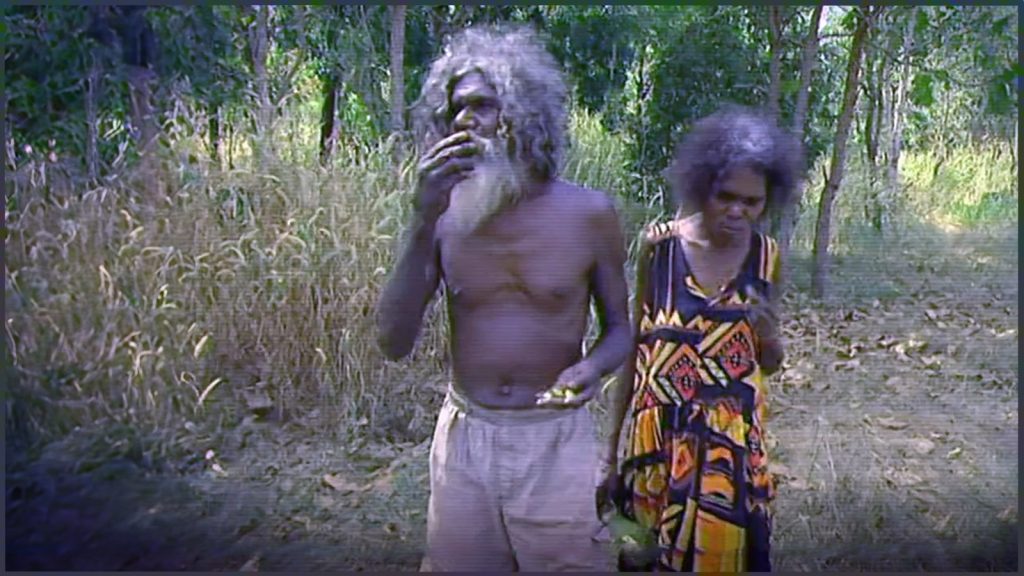
Miriam Ashley moved away from Arnhem Land to live with David in Darwin and in 2004 became his last legal wife. While in Darwin David sold paintings as a matter of survival to make ends meet between acting projects. Drinking heavily in Darwin his life tells a sad story during his homeless long grass, town bush camp period. David and Miriam never divorced. Their relationship was tumultuous marked by frequent separations due to their long grasser lifestyle, and David and Miriam’s alcoholism and domestic violence incidents.
Miriam was very dependent on alcohol. In one domestic violence incident Miriam’s arm was fractured after David threw a broom at her because she would not get up off the floor and come to him while drinking heavily at a house in Darwin. This incident resulted in a 12 month jail term for David which was suspended after five months. Miriam stated that she regretted reporting the incident to the police and wanted David to come back and live with her.
Mary Hood became a stalwart in David’s life after they met in 2006 at the premiere of the film “Ten Canoes”. After meeting, Miriam, David and Mary became friends. Mary had moved to Darwin in 2002 as she loved the Australian desert and the romantic social construct of the aboriginal world.
David Gulpilil was charged with a number of drink driving and other criminal offenses over the years. In 1987 he was jailed for a few weeks for alcohol related traffic offences. In 2000 David was sentenced to two months jail for his sixth drink-driving conviction. In 2005 he lost his licence for a year. In 2007 a Darwin magistrate dismissed a charge of being armed with an offensive weapon, ruling that David carried a machete not as a weapon but as a tool for carving didgeridoos and totem poles and building shelters in the bush.
It was in 2011 that David was found guilty of the aggravated assault against Miriam. Sentenced to 12 months in Darwin’s Berrimah Prison due to the boozy domestic violence fractured arm incident. Mary Hood was one of David’s few prison visitors. During his five-month lonely stay in prison his wife and his immediate family members rarely visited. Mary on the other hand was a constant reliable caller.
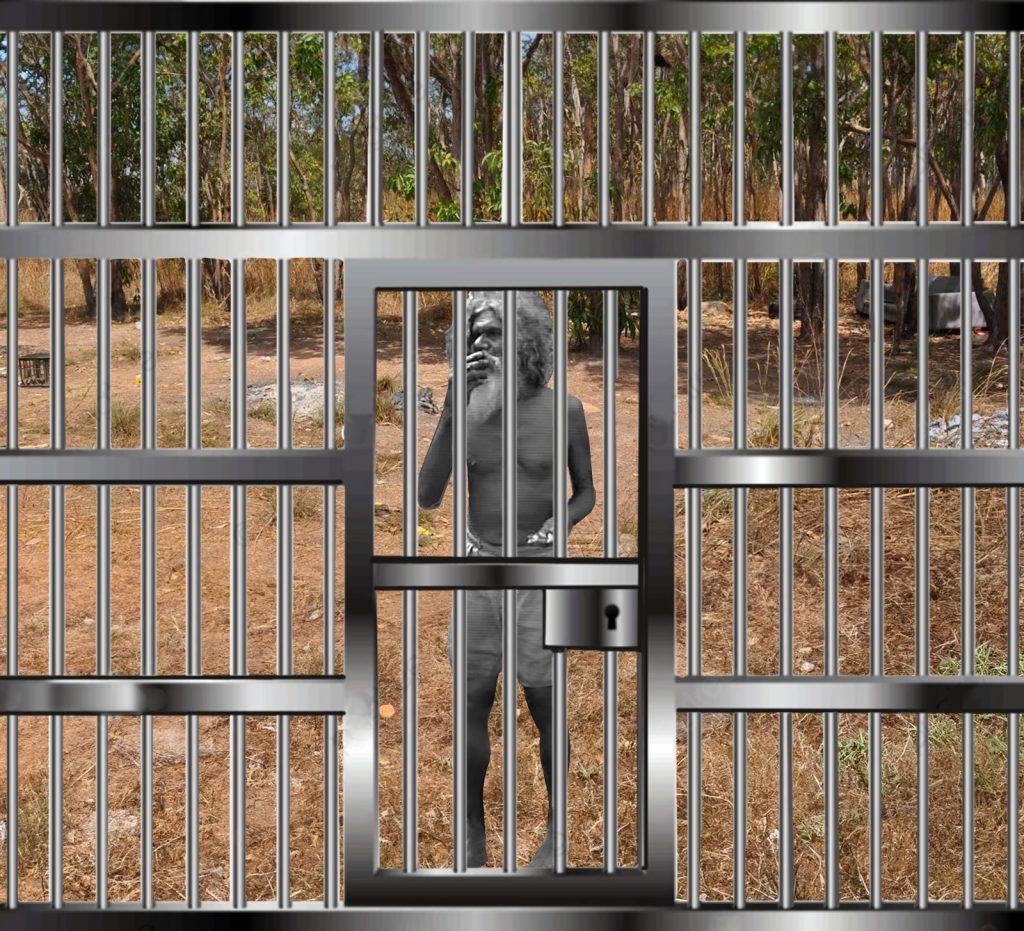
Rolf De Heer visited David during this prison incarceration and found his friend thin, ill, depressed, disheartened and a shell of the proud, mesmerising actor he knew well. The promise of a film Charlie’s Country was given life to and somewhat restored David’s will to move forward and to live again. The movie was released in 2013 and David won a Best Actor award for his performance. Other movies followed Still Our Country, 2014, Another Country in 2015. My name is Gulpilil was mostly shot in 2017 and released in May 2021.
When David was released on a suspended sentence five months after he was jailed in 2011 he had decided to stop being stupid with alcohol and to stop drinking hopelessly. At the suggestion of a parole officer, Mary Hood promising to look after both David and Miriam offered space in the home she was living in with an Aboriginal family. David had stopped drinking and did not want to go back to the Long Grass lifestyle. However, Miriam did and after a couple of weeks she did return to live in the Long Grass camps.
In 2012 David escaped another jail term by pleading guilty to two driving offences while serving his seven month suspended sentence for domestic violence. He was unlicenced and without due care rolled forward hitting another car in the rear. David was given a new suspended sentence, fined $400- was told he must not reoffend for 15 months and was banned from purchasing alcohol.
Long Grass is a regional term, referring to the spear grass that grows more than two metres tall on vacant blocks of land around Darwin in the Northern Territory. The long grassers are people living private lives in public places. It is a sprawling, highly visible population of “modern traditional owner” Aboriginals who though personal choice live in the city streets, parks and bushland in Third World destitution.
Reported in 2013 by a journalist Paul Toohey, who has been charged with trespass on Aboriginal Land on several occasions described life for Long Grass women as a lawless world where the women sleep with knives for personal protection. The women would trade sexual favours for a cask of Moselle, or a packet of cigarettes, or some marijuana. A temporary escape or a better deal that the routine rape they suffered at the hands of their own menfolk. The blackfella men it was claimed would sneak up on the women when they were passed out, alone, and do their thing and leave. Then another blackfella comes and climbs on. And another. Social problems of this kind have been reported since the 1990s in the modern traditional owner Aboriginal world.
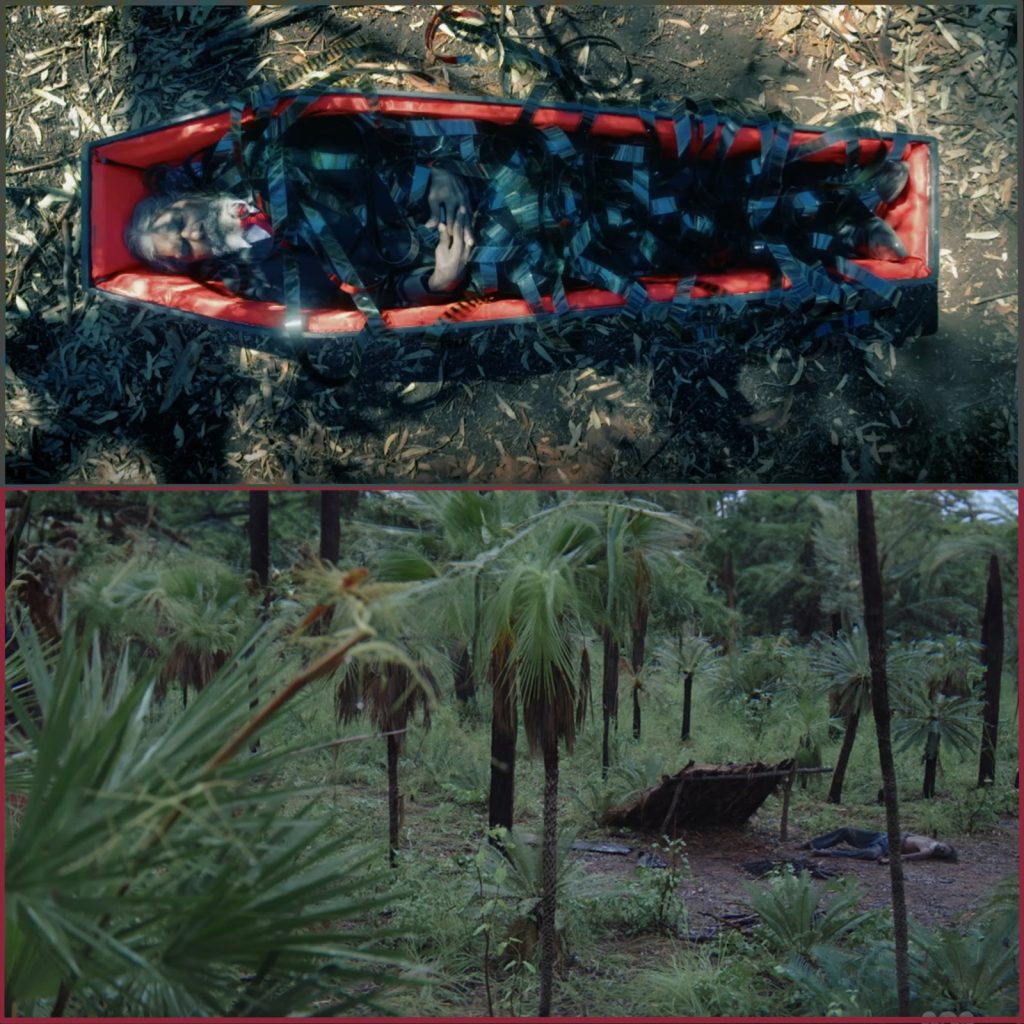
The bush campers are mostly from the modern Aboriginal background who have moved in from alcohol free zone remote communities into the parks, beaches, scrub tickets and neglected buildings around the town of Darwin (and many other places around Australia). In Darwin cleared patches of the giant spear grass would be used for hidden or illegal drinking and drug sessions or as places for people to sleep to escape vagrancy laws. With alcohol abuse endemic money is gained from Centrelink, begging, busking, or painting and for many women, “Selly-Welly” a term used for having sex with whitefellas in exchange for cash to buy grog and cigarettes.
It has been reported that many Long Grasses have lost their accommodation in public housing due to the destructive behaviour when drunk. In turn their alcoholism stops the individuals from gaining new public housing accommodation or being able to save enough money to return to their artificial “dry” remote communities.
The Long Grass modern Aboriginal tragedy is still endemic in 2025. Individuals are still escaping from “family problems”, “domestic violence”, and “humbugging” in their modern Aboriginal Land artificial towns.
Miriam and David lived separate lives after Miriam returned to the long grass lifestyle. Miriam Ashley in 2013 was squatting in a ‘tin chook shed’ with a concrete floor at One Mile Dam. In third world conditions her home had no running water or electricity or bathroom or toilet. She slept on a mattress a top of an antiquated bed placed in the centre of the room. Without any other furniture Miriam would sit on the floor using a brush to do traditional paintings. Her landlord was the modern Aboriginal Development Foundation.
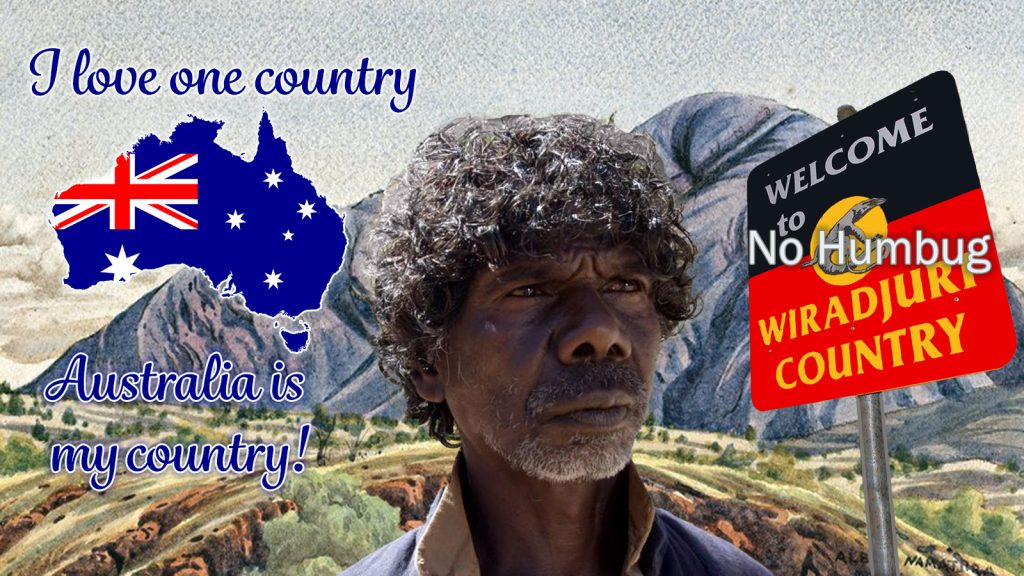
From the mid 1970s the modern Aboriginal political movement made headways and David began to publicly complain about his poverty. In the late 1980s the Hawke government granted him a parcel of land in Gulpulul and sometime later two small cheaply constructed houses were built and a freshwater bore and pump and a solar telephone were installed. His plan of creating a community on his ‘Aboriginal homeland’ failed because of the difficulty getting there and his sisters deciding to stay put in Ramingining.
So, David ended back at Tank Camp on the outskirts of Ramingining living in a sequence of humpies while feuding with the local bureaucracy for decades. He received the dole in-between some fencing, cattle-mustering jobs, stage and film projects.
Mary Hood moved back to South Australia in 2014 after retiring from aged care nursing. A small three bedroom unit that cost $230- per week in rent became her home. A home situated in Murray Bridge a small country town 77 kilometres south-east of Adelaide on the Princess Highway heading to Melbourne.
Eighteen months later Mary received a phone call from David who said “Mary, book me a flight tomorrow morning. I’m coming to live with you.” David lived with Mary until he died. After arriving in Murray Bridge he made good friends and never returned to Darwin or Ramingining.
David Gulpilil had moved to South Australia to live with his friend and carer Mary Hood in 2015 to get away from the unceasingly intense humbugging from sectors of the modern Aboriginal communities who thought his celebrity status and stardom had bestowed on him limitless wealth. Mary Hood has described a time in Darwin when David was sitting in his car with the window down and a six-pack of beer on his lap and the multiple hands that came through the open window and the chant of gimme, gimme, gimme.
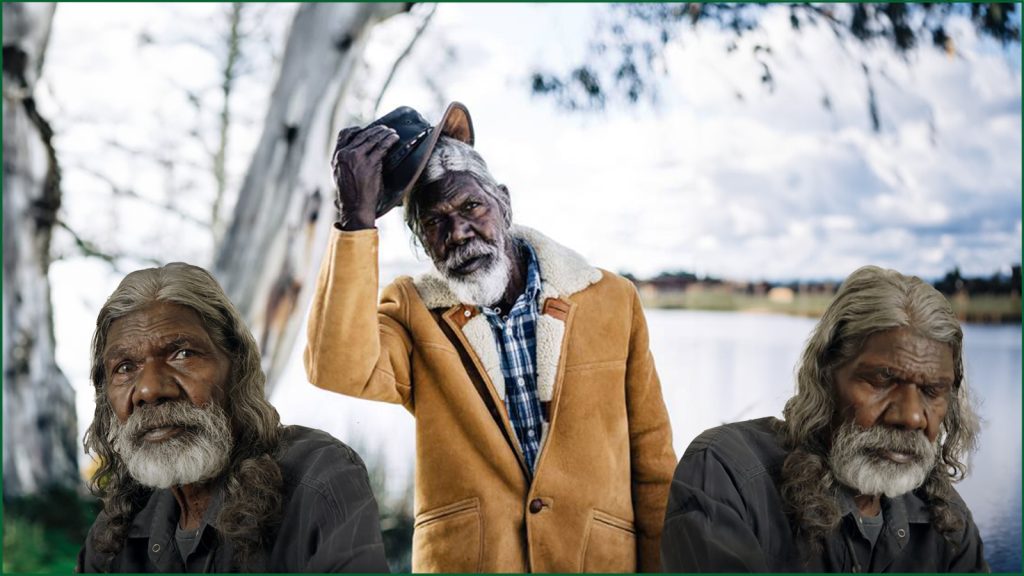
David was born in his ancestral home turf and died of a heart attack while being treated for lung cancer an emphysema on 29 November 2021. After a four-year battle with lung cancer David’s spirit departed his physical body at his home where he lived in Murray Bridge, South Australia. He lived with and loved his friend and carer Mary Hood who willingly and compassionately looked after David’s needs during his lung cancer treatment until he died.
After David Gulpilil died Mary Hood arranged for his body to be held at a funeral parlour in Victor Harbour until his corpse’s journey back to his place of birth in the Northern Territory.
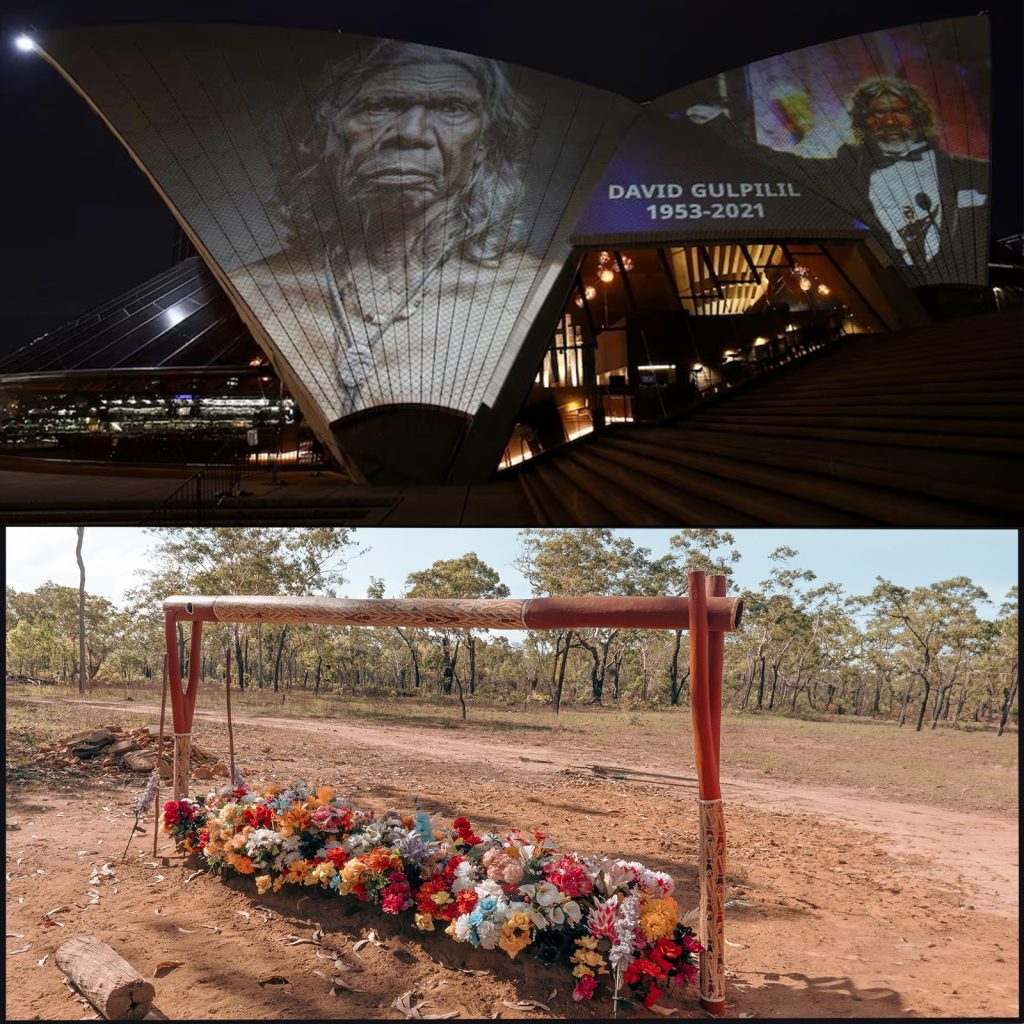
After David’s death his corpse, in a coffin, was repatriated from Victor Harbour, South Australia and taken on a long and arduous journey across Australia to his ancestral home turf of Gupulul in the Northern Territory.
In the first part of his journey home his corpse was transported from Victor Harbour in South Australia 3000 kilometres traveling through outback roads to Darwin in a hearse with the number plate “AT REST”. From Darwin in a chartered plane high in the sky his corpse was flown over Arnhem Land’s myriad of rivers and wetlands to touch down at Ramingining airport.
David’s physical body’s journey continued flying across the swamp in a large helicopter on to Nhulunbuy where a procession of painted dancers singing and beating clapping sticks accompanied his coffin to reach the Gove District Hospital where his corpse was held in the mortuary until the start of the dry season when his traditional funeral ceremony occurred at Marwuyu – his physical body’s final resting place. The final funeral rites were conducted in November 2022 delayed due to months of flooding during the wet season.
It is often stated that David Gulpilil moved between two worlds the traditional aboriginal life and the western world staring on the global stage. This is not true because the traditional local native lifestyle does not exist and died a long time ago in Australia. David was born in Australia. A single country who had one rule of law and one flag for all her people. David Gulpilil’s childhood culture was intrinsically embedded into Australian culture.
Then came the 1970’s political “homeland” movement. Communism in its most basic form used by political activists with selfish intent have since created an Aboriginal Provisional Government, a flag, and a lot of trauma to innocent vulnerable people who personally, in effect, own nothing.
A foreign political initiative created a new destructive construct called the First Nations, First Peoples, the Modern Australian Aborigine. A legal not humanitarian concept that will only exists in people minds until it has been legally challenged and dispelled.
David Gulpilil had a dying wish, a dream of inviting the whole world to his funeral and for the process to be filmed as documentary evidence of his life journey in Australia. The film Journey Home was released in cinemas during October 2025.
Related Articles
Bluey’s Land, Title of Steel
They roll out a flag, and they chant at the gate,“Always was,...
Not a history map – Not a land map – Not cartography – A political weapon for the present
David Horton’s AIATSIS map is a late-20th-century collage of language groups and...
History Never Leaves Maps Alone After You Invent One Aboriginal People With the Right to Choose Their Own Status
Has any Australian parliaments ceded our country’s sovereignty to an Aboriginal nation...


Oh, Here We Go Again: Political Aboriginal Academics Claim High Court Got Australia’s Sovereignty Wrong
Sovereignty isn’t a legal footnote—it’s the bedrock everything else stands on. Because...
