
Australian Sovereignty – Aboriginal Sovereignty – Which is the real deal?
 Maria Rigoni31/03/202615 Mins read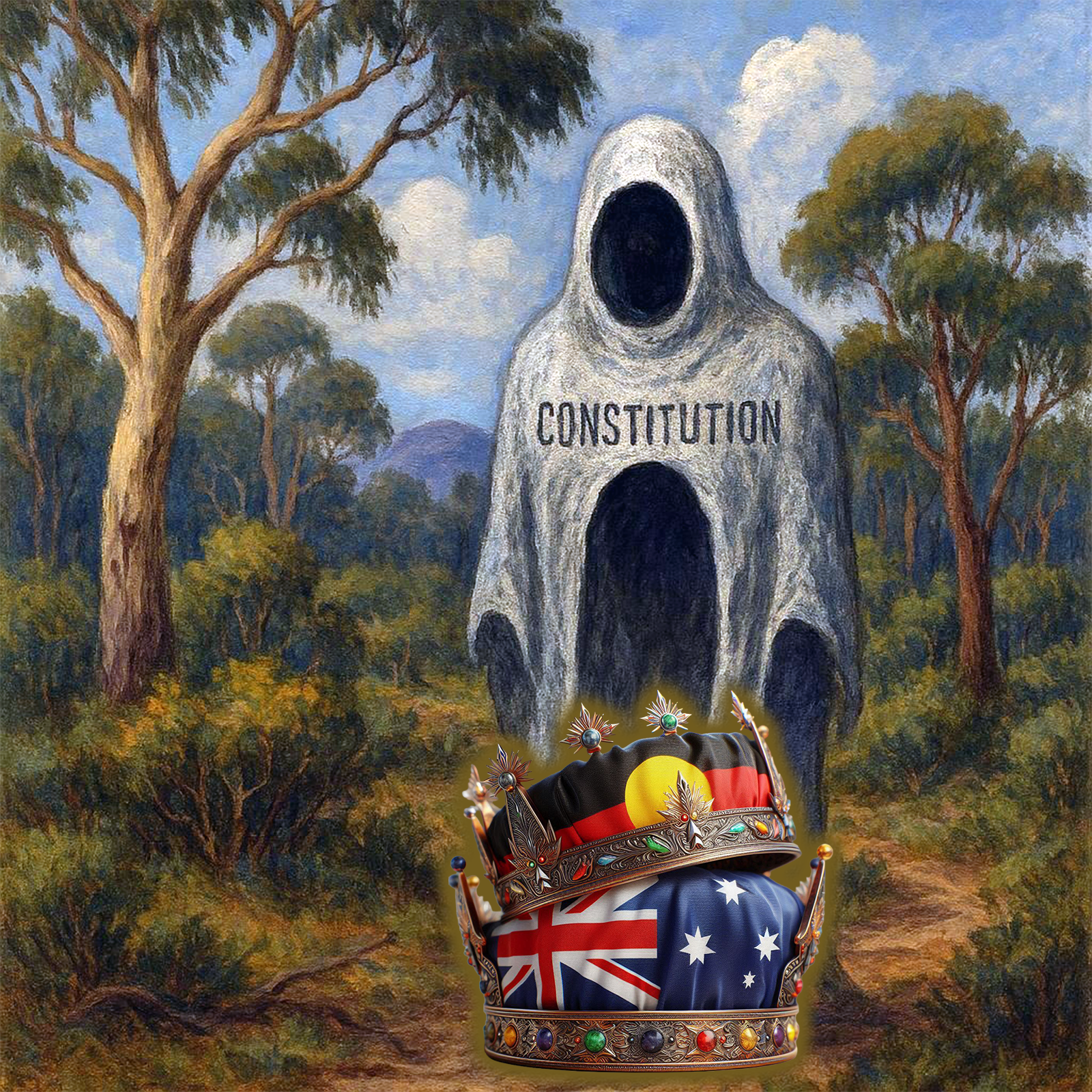
In Australia, one day you may find that the land you own, the laws you follow, and the taxes you pay are no longer controlled by a government you voted for, but by an unelected, race-based ‘nation within a nation’ that you have no legal power to challenge or remove. In Victoria the process is well underway.
In the context of Australian legal and political debate, “which authority is the ultimate source of power over the land?”. The tension lies between the Crown’s legal authority and the proposed Inherent, unceded rights of the political Aboriginal activists. In 1787 (or 1788 when the First Fleet arrived), native title as we know it today meant nothing to the forager, hunter-gatherer local native tribes – because it did not exist.
In simple terms: back then, the primitive hunter-gathers just had their own unwritten tribal ways of living on and with the land – not any native title paperwork or rights that a government could recognise. The whole concept is a gift from today’s Australian law, not something those ancient foragers ever had or asked for.
In 1788, the British did not ‘steal’ the land in their own minds because they did not see anyone owning it. To 1780s Englishman (explorers of the New World), owning land meant you fenced it off, ploughed the dirt, and built a permanent house. When they looked at the Australian bush, they saw a “pure state of nature” with no farms, no fences, and no kings. Since there was no sovereign ruler to sign a treaty with and no “improvement” made to the soil, they legally classified the place as “desert and uncultivated”. In their legal world, if you were not farming it or hedging it in, you were not legally occupying it.
Today, “Aboriginal” as a group is defined as a political identity, so, essentially the debate is about should they be treated like any other political interest group—subject to the standard laws of the land without “special” racial protections. The High Court has currently tied native title to a unique “spiritual and cultural” connection that is deeply embedded in its own interpretation of what an “Aboriginal” identity is.
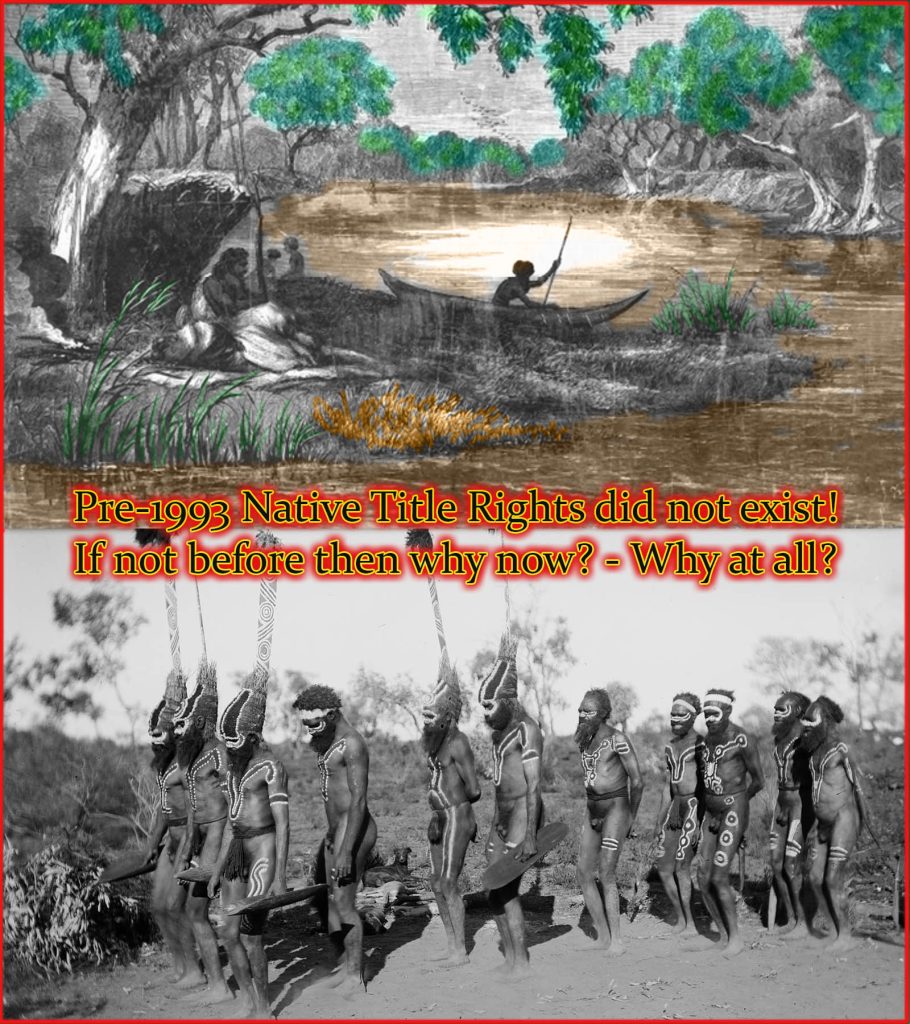
To those primitive forager tribes, the land was their “Country”, not as the propaganda “country” push is of today. For those local native tribes “Country” was not a piece of real estate or a parcel of land with a border. It was simply the entirety of their world – the specific place where they were born, lived their whole lives, and eventually died.
These primitive people did not have a word for “owner” because the idea of a person “possessing” the earth was as strange to them as a person “owning” the air. They moved with the seasons and the fish, stayed in one spot for a few days or weeks before moving to the next spot. They didn’t need maps or landmarks to tell them where they belonged; they were part of the land itself, and the land was part of them.
Modern ideas like “Traditional Owners” or nations are 21st-century terms that would have made no sense to either side in 1788. The British were not looking for “nations”; they were looking for farms and fences. The locals were not “owning” a territory; they were living a life within it. The clash was not over a boundary line on a map, because there were no maps and no lines. It was a total collision between a culture that saw land as a commodity to be carved up and a culture that saw the land as the very fabric of existence where life began and ended.
Australia’s (Crown) sovereignty, is the de facto and de jure power exercised by the Australian Parliament and courts. Asserted from 1788 onwards, it remains legally absolute and unchallenged by any court or statute. This is despite decades of political agitation and the modern notion of “native title” power and its expansion.
Aboriginal sovereignty is described as an ancestral, unceded tie to the land that existed long before 1788 and is argued by political Aboriginals to be the real deal because it was never surrendered through treaty or war. This is in spite of the fact that the local native tribes that traversed the Australian continent had no written laws, no government, no deeds, no titles, and no idea of “owning” land like a farmer owns a farm or a king owns a kingdom.
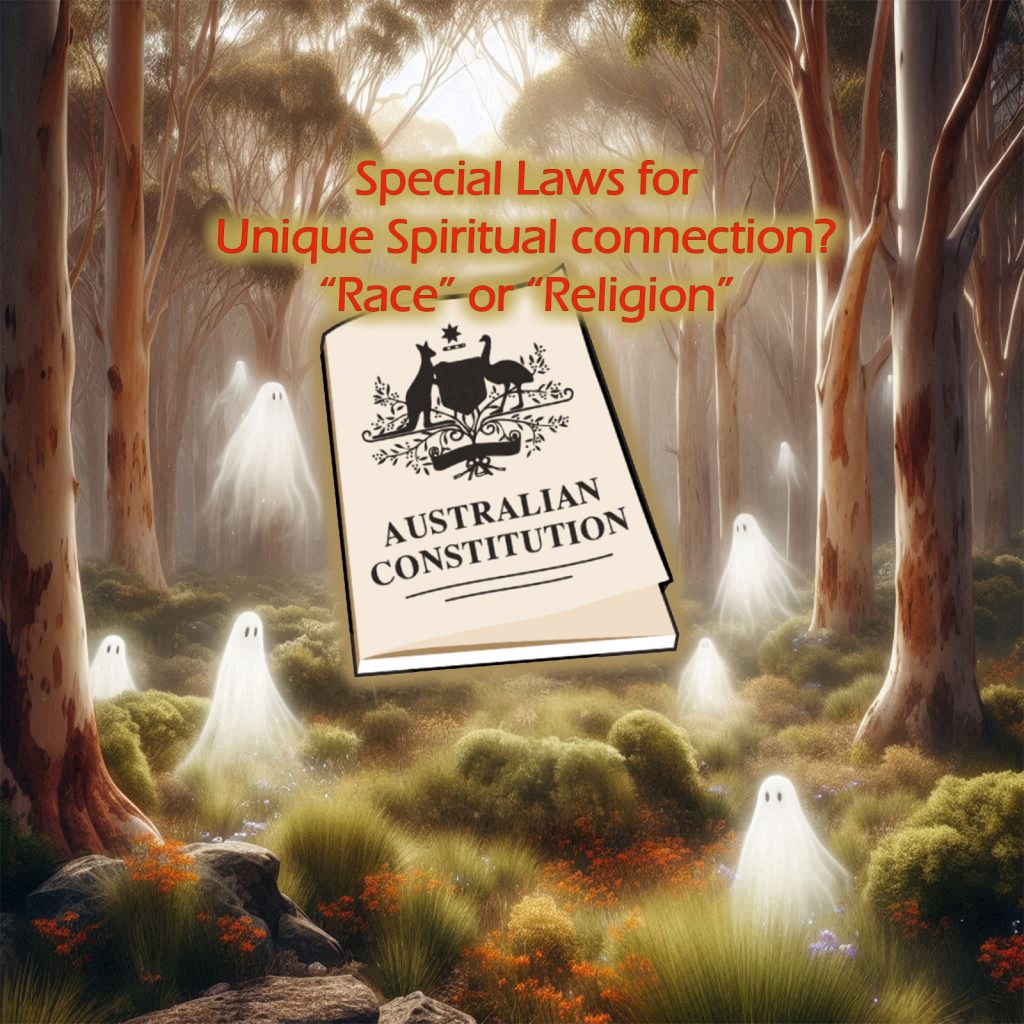
The debate refuses to go away because neither side fully extinguishes the other in the eyes of their respective believers. Under the current Australian Constitution only the Crown’s sovereignty is legally recognised. Since no treaty was ever signed the Blak Sovereignty movement argue that Australia’s sovereignty lacks moral legitimacy and this should be enacted as political sovereignty. The Uluru Statement from the Heart proposes that both can co-exist, where ancient Aboriginal sovereignty can shine through via constitutional and legislative reform.
Through case law like Coe v Commonwealth (1979), Mabo v Queensland (No 2) (1992), Walker v New South Wales (1994), and Yorta Yorta Aboriginal Community v Victoria (2002), it has been established the High Court’s position is that there is only one sovereign power in Australia. It views political Aboriginal “lore, law and customs” as facts that can prove a connection to land, but not as a source of independent legislative power or a reason to opt out of the Australian legal system.
The High Court, in my opinion, has rigged the game. They claim they aren’t allowed to question where Australia’s power comes from, but then they turn around and give Parliament a blank cheque to do whatever its wants under Section 51 of the Constitution. Because the Judges refuse to bin “bad” laws, there is nothing stopping a radical government from simply handing the keys to the country over to a political Aboriginal Nation. By the High Court’s own twisted logic, they’d be powerless to stop it. They have basically built a trapdoor that lets Parliament destroy the country’s sovereignty while the judges sit on their hands and watch it happen.
As sold today, to those primitive forager tribes, the land was their country – the place where their ancestors lived, where their Dreamtime stories happened, and where they had to follow strict tribal rules about who could hunt, hold ceremonies, marry, or gather food in which areas.
In modern times, at every corner we turn, we have shoved down our throats that different clans or language groups had their own territories they knew and defended from outsiders, but it was more like custodianship (looking after the land and being looked after by it) than modern property ownership. It is fact that local natives did not buy, sell or “own” the dirt – they belonged to the land, moved across it as nomads, and survived by hunting animals, fishing, digging roots, eating fruit and burning the bush to assist finding food.
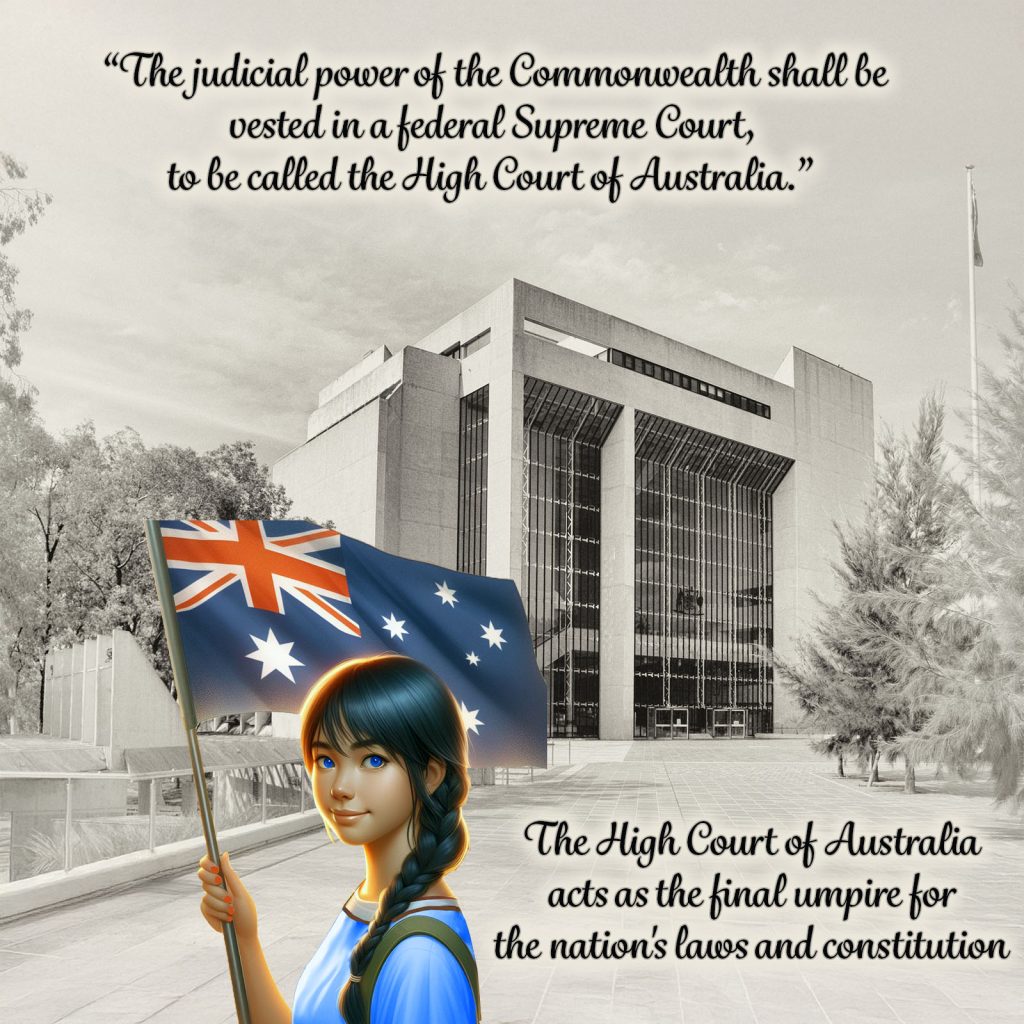
Under international law Australia’s (Crown) sovereignty is a very real deal. Australia has its own Constitution, democratically elected parliamentarians, independent judiciary, and capacity to make and enforce its own laws.
For over 200 years “settlement” meant full Crown radical title with beneficial interests flowing from the Crown. An unelected group of six out of seven High Court judges changed property law reality for over 17.5 million Australians in the Mabo v Queensland (No 2) 1992 case.
By common law the High Court didn’t just “tweak” a rule; they invented a new category of property rights (Native Title) that had never existed in Australian statutes. Usually, creating entirely new legal rights is the job of Parliament, not appointed judges.
The High Court very willingly changed property common law but explicitly refused to question or disturb the acquisition of sovereignty itself. Justice Brennan spouted that the validity of Crown sovereignty “cannot be challenged in the courts”. That may be so in courts of law, but, it is being challenged every day by political “Aboriginal” agitators in the court of public opinion. In my opinion, the “Aboriginals” are starting to win the argument via deceptive political “First Nations”, “You are on stolen land”, “most marginalised” “sovereignty never ceded” “welcome to my country” “acknowledge my country and my people” and other repetitive propaganda.
By repeatedly using their microphones, turning up the volume and hammering home their land rights and other Aboriginal Peoples’ demands, they win over the naïve, kind-hearted citizens, activist judges and corrupt parliamentarians who eventually accommodate the “traditional Aboriginal ownership with sovereignty never ceded” rhetoric and give these largely faceless political activists what they demand.
Where did it start and where will the “Aboriginal sovereignty was never ceded” push end?
People are fighting hard over what’s “right” versus what’s “legal,” which has the capacity to break the country. The argument is not just about the rules. The argument is whether or not Australia as a country should exist. Pursuing social justice and moral reconciliation is being amplified as a way to strengthen the nation’s integrity by creating a more inclusive and truthful identity, however, the road ahead is seeking to dismantle the state itself through made up identity mechanisms.
For Aboriginal agitators the “real deal” is a treaty based recognition of two sovereign nations. For the state the “real deal” is the plenary power to the Commonwealth to make laws for ‘peace, order and good government” with respect to 40 areas of law.
The High Court of Australia has consistently ruled that while political Aboriginals may have ancient rights to land, they do not possess a separate, legally recognised sovereignty that exists outside the authority of the Australian state. The court draws a sharp line between legislated Native Title (a property right) and Sovereignty (the power to govern).
In international law, self-determination and self-government are distinct but intensely interlocked legal concepts. While self-determination is a universal right of all “peoples,” self-government is often a primary way that right is pragmatically applied, especially for Aboriginal groups.
For at least for now, Australian sovereignty remains intact and indivisible despite persistent political agitation. The legal consensus is clear: native title is a subordinate proprietary interest, not a competing sovereignty. The assertion that “Aboriginal sovereignty was never ceded” carries strong political and moral force in activism, the Uluru Statement, and treaty recognition campaigns, but these should have no legal impact on the state’s monopoly over law-making, taxation, defence or borders.
Has it? In the Victorian State-wide Treaty Bill’s preamble there is a recognition of the “unique status” of Aboriginal Australians, acknowledging that Aboriginal Victorians “maintain their sovereignty has never been ceded”. There is no one definition of exactly who theses people are or how they have come to be political Aboriginals.
Courts have repeatedly confirmed that pre-existing Aboriginal laws were recognised only insofar as they support native title rights, and that full sovereignty was vested in the Crown between 1788 and 1829. Claims of “Aboriginal ownership of the land mass” are therefore legally understood as rights in land, not sovereignty over the state. There is no one definition of exactly who is a native and what is a native title right.
When the British showed up and declared Australia ‘desert and uncultivated’, they weren’t recognising any “Aboriginal” title because the tribes had no system of legislated land ownership that the British legal system could understand or record. Native title is a modern invention created by Australian courts and politicians centuries later to try to give legal meaning to politically imagined old tribal connections.
Australia’s sovereignty maybe legally intact for now, however, it is being hallowed out in practice. Political agitation amplifies symbolism like “always was, always will be Aboriginal land” and delivers incremental property rights and agreements but not yet territorial secession.
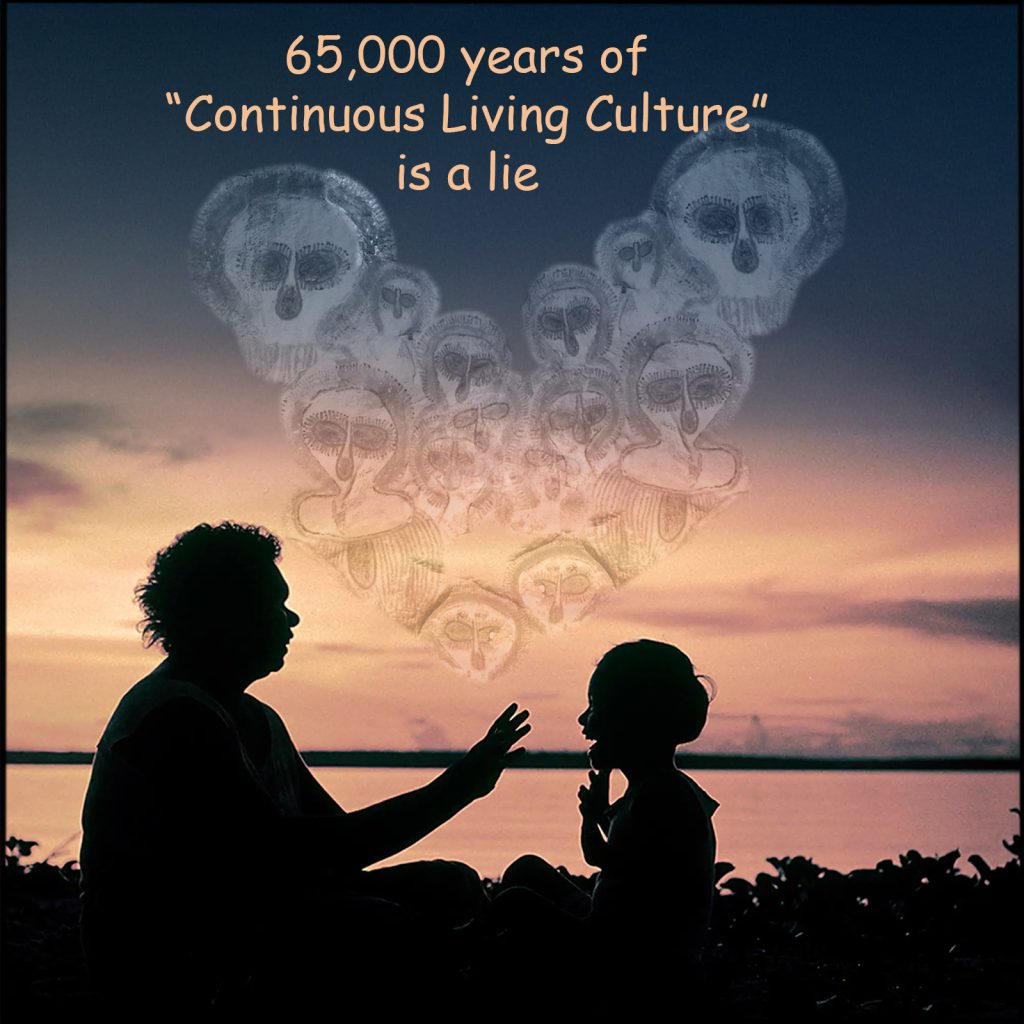
According to the Uluru Statement from the Heart, First Nations (not Australian terminology) sovereignty is not just a legal concept but a “spiritual notion”. The agitators argue that their claimed, with no supporting evidence, of over 65,000 years of continuous occupation gives them an ancient sovereignty that co-exists with the modern legal sovereignty of the Crown. No one on Earth knows who the First Australians were, where they came from, or if they stayed and produced a descendant lineage.
Countries like New Zealand, Canada, and the United States were not settled in the same way as Australia; therefore, the people who lived in those countries prior to treaty and conquest had different international laws applied to their individual nation’s situations and native sovereignty.
The claim that “sovereignty was never ceded” comes down to a political demand for structural reform. The Yorta Yorta Case (2002) in which the High Court superbly and accurately ruled that the “tide of history” had “washed away” the Yorta Yorta people’s traditional laws because they could not provide documentary evidence of an unbroken chain of practice during the 19th century. The forensic truth is that continuous physical practice in most local native missions and reserves were nearly impossible to practice.
Put bluntly, the “archaeology of orality” is utter nonsense. The entire premise is total hogwash. It is nothing more than intellectual poppycock and the approach is factually bankrupt.
A reasonable man’s argument says the subjectivity of researchers is to “cherry-pick” details from oral stories to fit known geological events. Oral traditions often lack exact dates, making it difficult to scientifically prove they refer to a specific event from thousands of years ago and stories can be reshaped or exaggerated over generations, leading some scholars to doubt their historical validity.
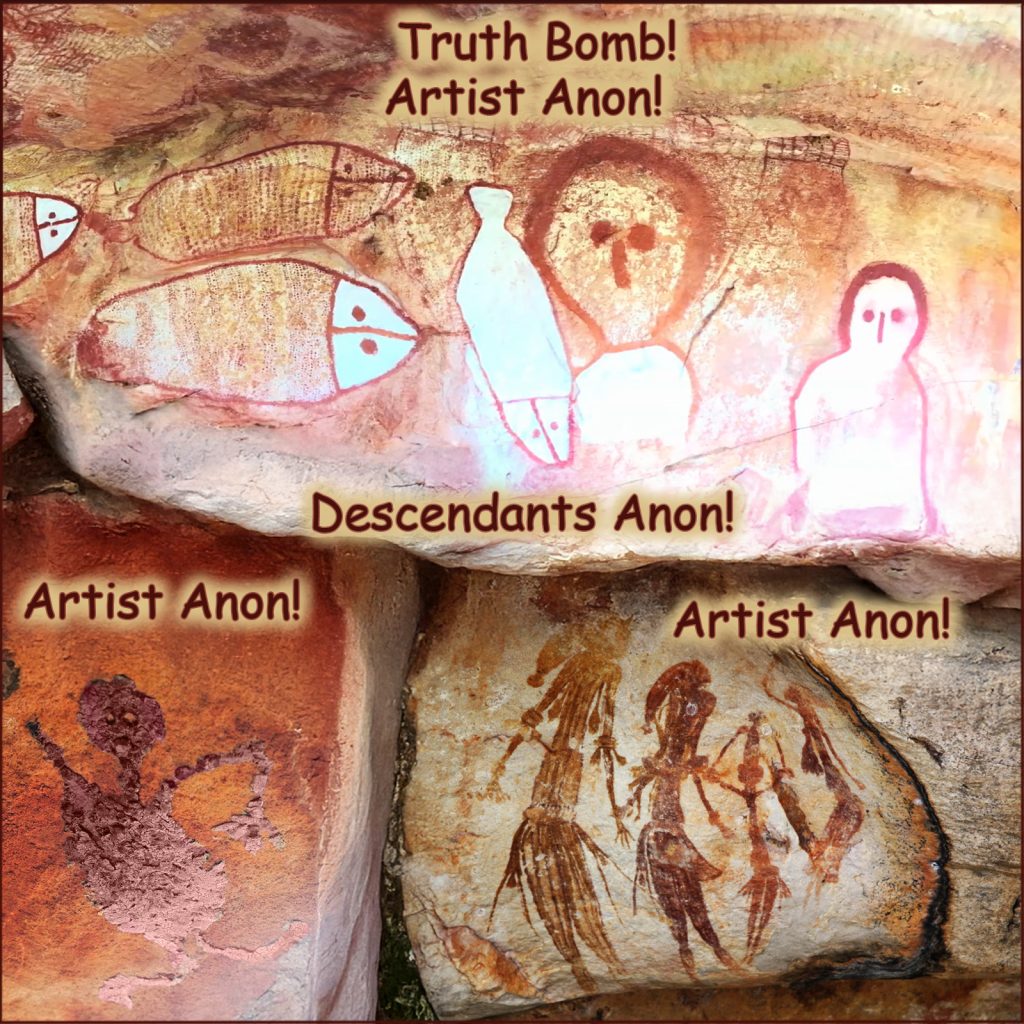
Because oral languages are not “fossilized” in written records, they act as a living archive. They are highly resilient because they live in the community’s collective memory, but they are also vulnerable; if the chain of intergenerational transmission is broken, the language can disappear entirely. Since oral languages change and drift like a game of “Telephone,” or “Chinese whispers,” you can’t trust them to be a steady or accurate “map” for events that happened thousands of years ago.
Silence as Evidence: From a strict legal perspective, if there were no written record or physical proof of a specific ritual being performed in, say, 1822, the court may conclude the chain was broken. A memory of an event like a flood is not the same as a continuous legal system.
When political Aboriginal agitators say “sovereignty was never ceded,” they are manufacturing a political and moral claim that their authority is intrinsic and persists even if the dominant state suppresses its practice.
There is a tension between the Australian Law Reform Commission’s (ALRC) push for modern recognition of continuity and the legal requirement for traditions to be “frozen” in time. In a major shift, the High Court recently dismissed the argument that native title is “inherently fragile” or easily cancelled. The court ruled that native title is a legal property right protected by the Constitution and as such the taxpayer may be liable for billions in compensation for historical acts, such as mining leases, that ignored political Aboriginal rights even those rights were not legally recognised at the time.
By recommending that the law simply ‘believe’ the claims of political representatives, the Australian Law Reform Commission is facilitating a legal fiction. It is now an accomplice to the political rewriting of history, pushing to lower the burden of proof until ‘continuity’ becomes whatever the loudest voices say it is. They dismiss the 1788 benchmark as an unfair ‘freeze,’ ignoring the fact that a system that cannot survive on its own terms should not be artificially resuscitated by judicial decree centruies later.
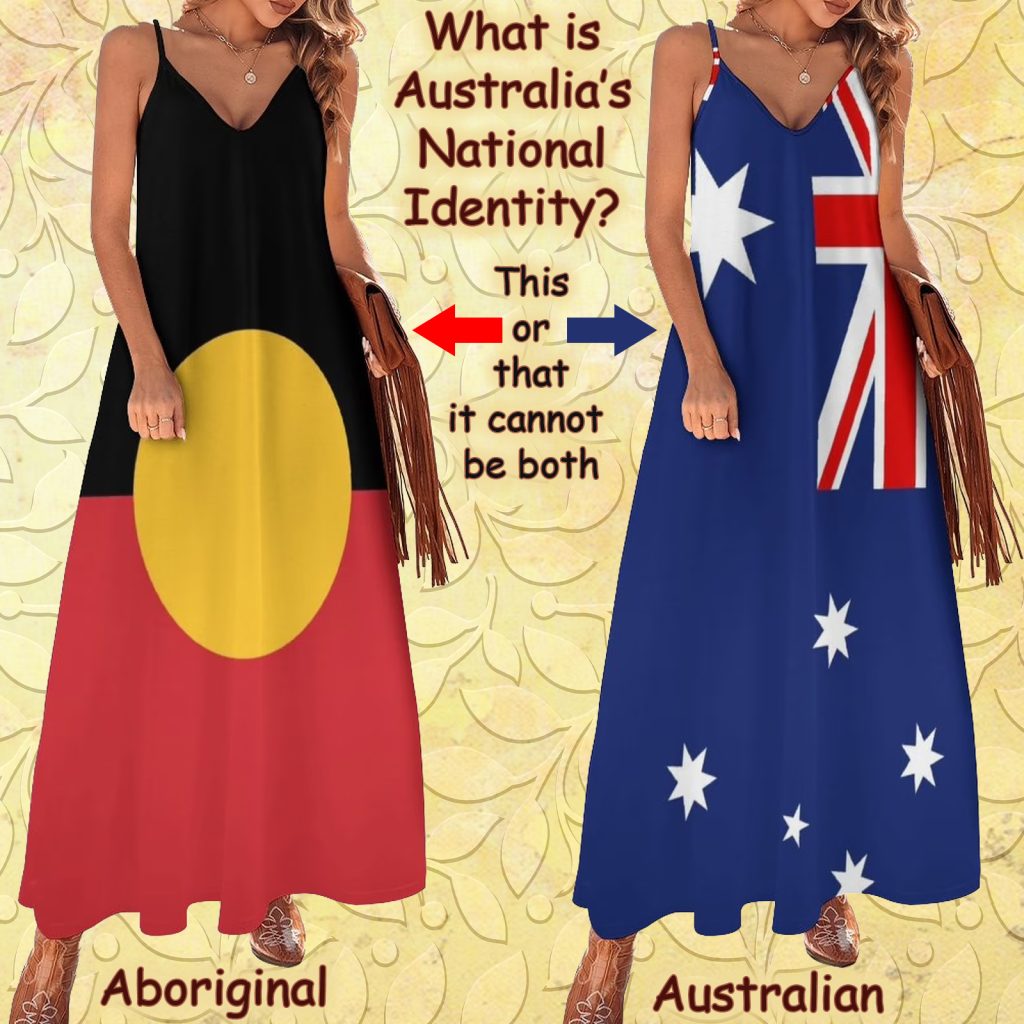
We must consider that the Frozen in Time rule refers to the legal requirement from the Yorta Yorta case that laws and customs must have a continuous, “substantially uninterrupted” link to pre-sovereign traditions. In its Report 126, the Australian Law Reform Commission recommended clarifying that traditional laws can adapt and evolve, which critics rightfully argue dilutes the definition of “traditional”.
The High Court’s interpretation of Section 51 of the Constitution is rooted in the doctrine of parliamentary sovereignty, where the remedy for bad laws is the ballot box, not the courtroom.
Section 51’s promise of ‘Peace, Order and Good Government of the Commonwealth’ would seem to be a hallow constitutional ghost. The High Court has essentially abdicated its duty, ruling that these aren’t standards to be met, but a grant of absolute, unchecked discretion. By refusing to strike down even the most ‘disorderly’ or ‘bad’ policies, the High Court has signed a blank cheque for Parliament to govern however it pleases, regardless of whether the result is actually good or peaceful.
The idea that our laws must serve the ‘peace, order, and good government of the Commonwealth’ of Australia has become a legal fiction. The High Court has consistently gutted these words of any limiting power, transforming a supposed safeguard into a tool for legislative overreach. Since the High Court refuses to judge ‘bad policy,’ Parliament is free to be as disorderly as it likes, safe in the knowledge that the ‘wildest possible discretionary power’ means the law is always right – even when it is wrong.
The High Court has created a perfect legal trap: it claims sovereignty is beyond its reach to judge, yet simultaneously treats Parliament’s power as near-absolute under Section 51. If the High Court refuses to act as a gatekeeper for ‘Good Government of the Commonwealth,” then logically, there is nothing in the judicial vault to stop a radical Parliament from ‘pooling’ or ceding sovereignty to a political Aboriginal Nation. By its own logic, the High Court has no standing to prevent the Parliament from undoing the very sovereignty the High Court claims it cannot even question.
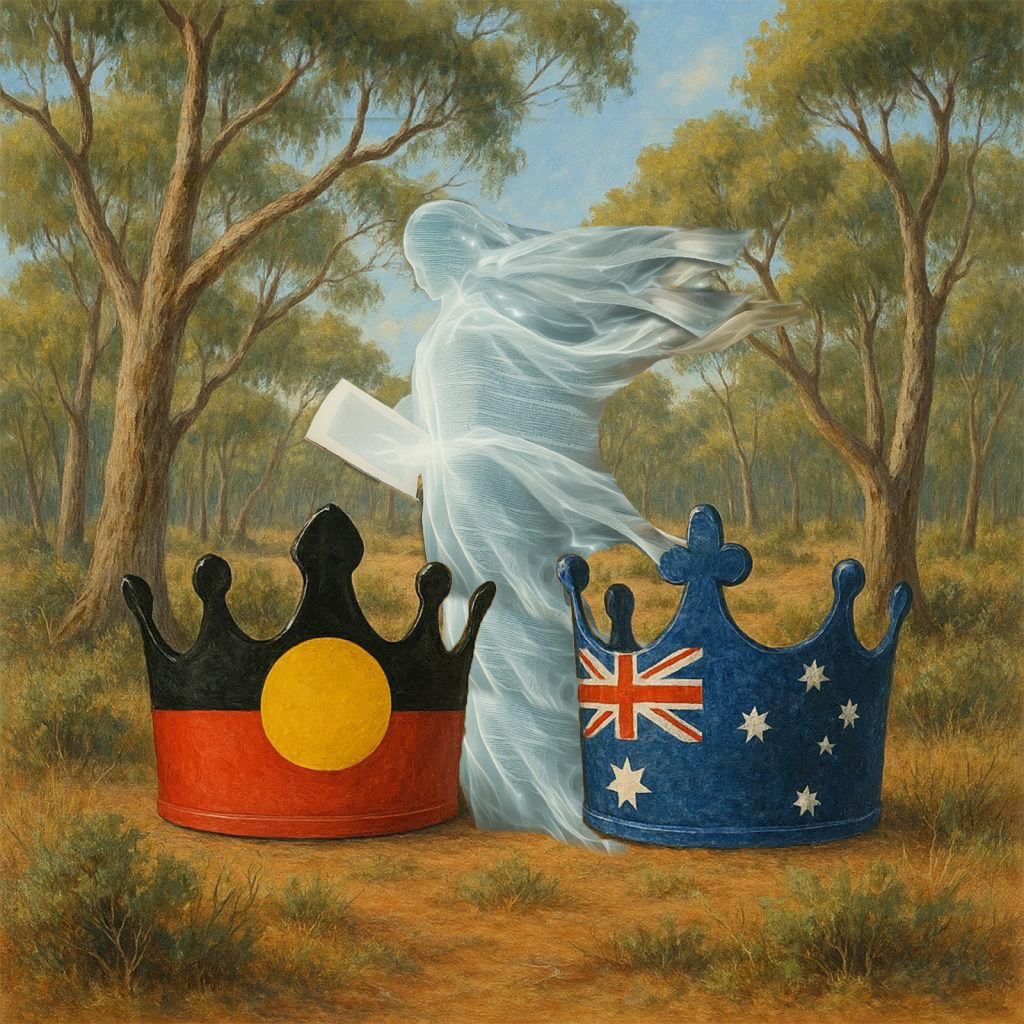
The High Court has sabotaged the country. They claim they are not allowed to touch the issue of sovereignty, but then they give Parliament total, unchecked power to do whatever it wants.
Because these judges refuse to grow a backbone and stop “bad” laws, there is zero legal barrier to a radical government simply gifting Australia’s sovereignty to an political activist Aboriginal Nation. The High Court’s own cowardice has created a backdoor for Parliament to surrender the nation, and by their own logic, they would not be able to do a dam thing about it.
The “blank cheque” from the High Court is exactly what would allow a radical Parliament to force through a Treaty without ever asking the Australian people for a “Yes” vote.
The “legal trap” has turned into a roadmap for surrendering Australian sovereignty.
The Section 51(xxvi) Power-Play: Because the High Court refuses to be a “gatekeeper” for what constitutes “good governance”, Parliament can use the “Race Power” to pass a Treaty as a “special law”. In the High Court’s eyes, if Parliament “deems it necessary” to sign away powers to a political Aboriginal body, that’s a political choice, not a legal one they can stop.
The “External Affairs” Backdoor. Under Section 51(xxix), the government has the power to implement international agreements. If they frame a Treaty with an “Aboriginal Nation” as an international-style pact, the High Court’s hands off approach to executive power means they will not likely interfere with the deal itself.
Referendum Bypass: While the constitution can only be changed by the people, a Treaty is just a law passsed by politicians. By avoiding a referendum and using their “widest possible discretion,” Parliament can create a parallel power structure – effectively a “nation within a nation” – and the High Court has already admitted it has no “vault” of rules to stop them.
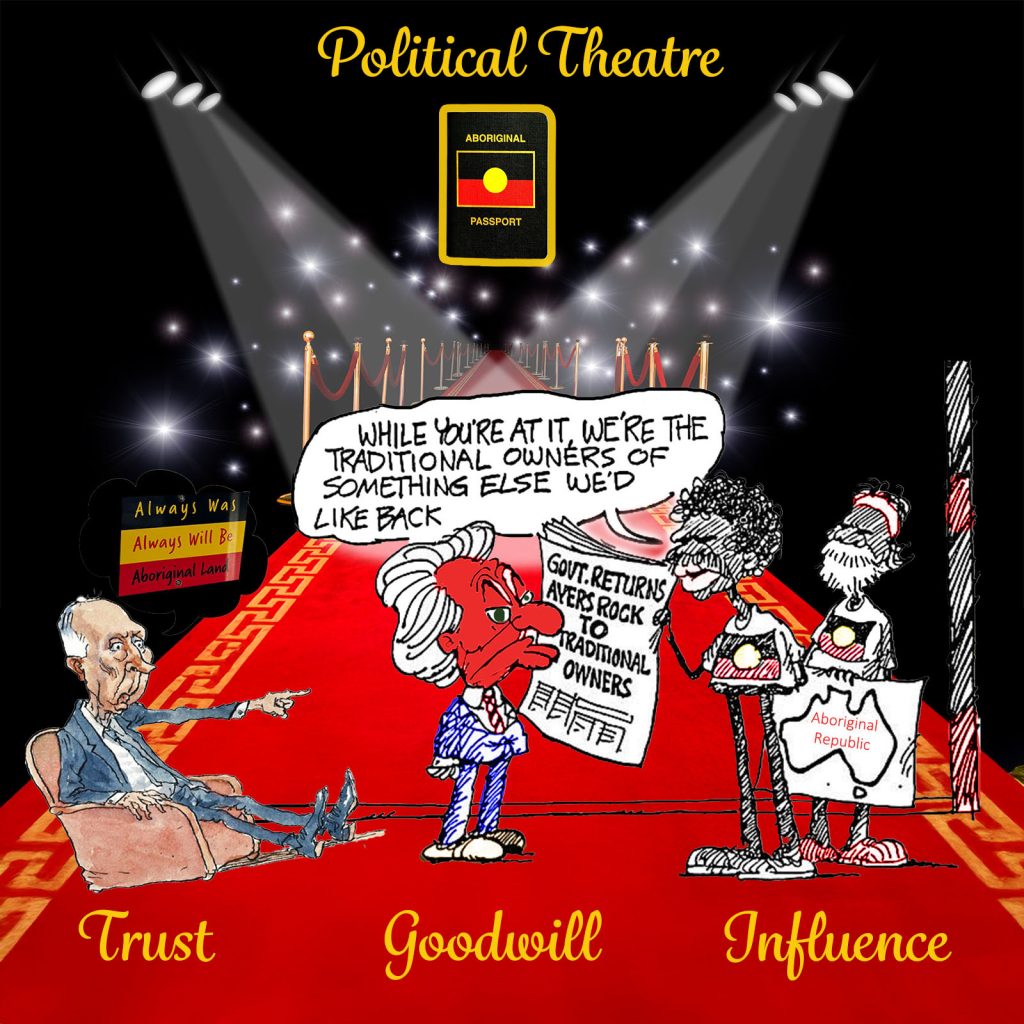
The Act of State” Shield: Just as the High Court claimed it could not question how the Crown took sovereignty because it was an “act of state,” it would likely claim it cannot question how the Crown gives it away. This is a one-way street where the judges let the politicians drive the country off a cliff because they have decided the map is “none of their business.”
In short, the High Court hasn’t just left the door unlocked; they have told the burglars that even if they see them carrying the furniture out, they will not call the police because “moving house” is a matter of policy.
The High Court’s handling of the Hindmarsh Island and Native Title cases shows exactly how the “blank cheque” works in the real world. In these cases, the High Court basically admitted that if Parliament wants to use its power to overwrite rights or single out a race, the judges will not step in to stop the “bad policy.”
This is how the judges let the politicians run wild.
Hindmarsh Island (Kartinyeri Case): The High Court was asked if Parliament could use the “Race Power” (Section 51(xxvi) to strip away heritage protections from a specific group of Aboriginal women. The High Court upheld the law, with some judges arguing that the power to make laws for a race includes the power to make laws that are detrimental or discriminatory. They essentially ruled that “Good Governance” is a political choice, not a legal limit they can enforce.
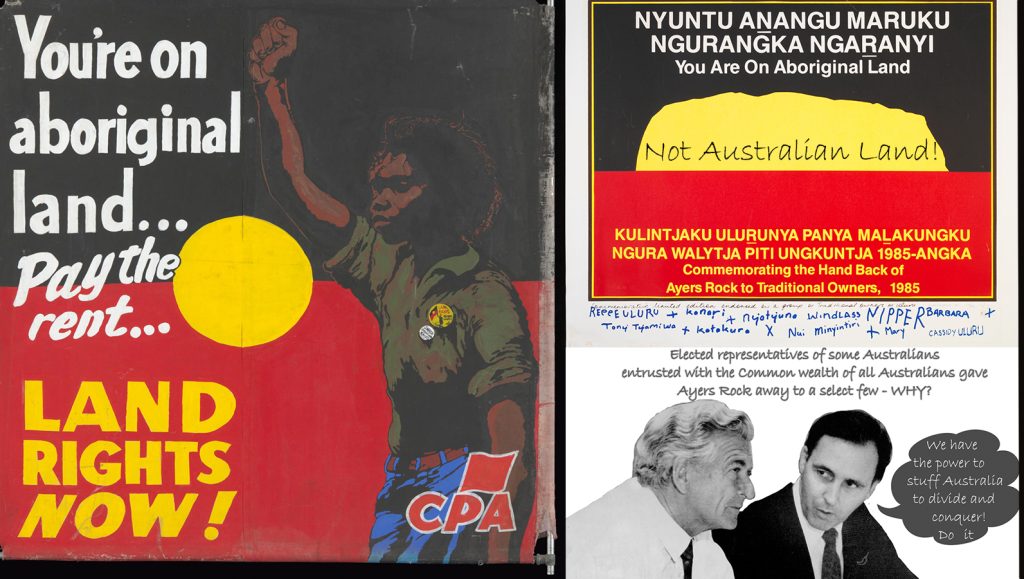
The Native Title Act Challenge: When Western Australia tried to kill off Native Title, the High Court upheld the Commonwealth’s Native Title Act instead. While this protected land rights, it did so by confirming that Parliament has “plenary” (absolute) power over the subject. The High Court clearly said it’s up to Parliament, not the judges, to decide if a law is “needed” for a specific race. Even so, it was the High Court that actually changed the rules on who owns land in Australia. Essentially, it was this unusual “partnership” between the High Court’s decision and the Parliament’s actions that gave birth to the Native Title Act 1993.
In simple terms, here is the breakdown of what happened:
The Rule Book: The High Court said only Parliament (the government) has the power to make special laws based on race. The judges are not supposed to do that. The Plot Twist: Even though they said that, the High Court was actually the one that stepped in and changed the rules about who owns land in Australia. The Result (The “Birth”): This “hook-up” between the High Court’s new ruling and the Government’s reaction is what created the Native Titles Act.
The only tiny “brake” the High Court ever mentioned was a vague warning against “manifest abuse” of power. But because the High Court refuse to define what that actually means, it is a toothless tiger threat. It leaves the door wide open for a government to claim that “ceding sovereignty” is just another “necessary” special law for a race.
The Bottom Line is this, the High Court has built a system where they “cannot” question sovereignty, but they “will not” question Parliament’s discretion. This creates a legal vacuum where radical government could use a Treaty to hand over power, and the High Court would simply point to the “blank cheque” of Section 51 and say, “Not our problem.”
Ultimately the “Race Power” could be used to legally lock in a Treaty that cannot be repealed by a future government. The power to make a law necessarily includes the power to repeal it or to amend it. The main worry is that if Aboriginal groups became their own separate nation, it could split Australia into different countries and cause a huge legal mess over who truly owns and runs the land.

Related Articles
Bluey’s Land, Title of Steel
They roll out a flag, and they chant at the gate,“Always was,...
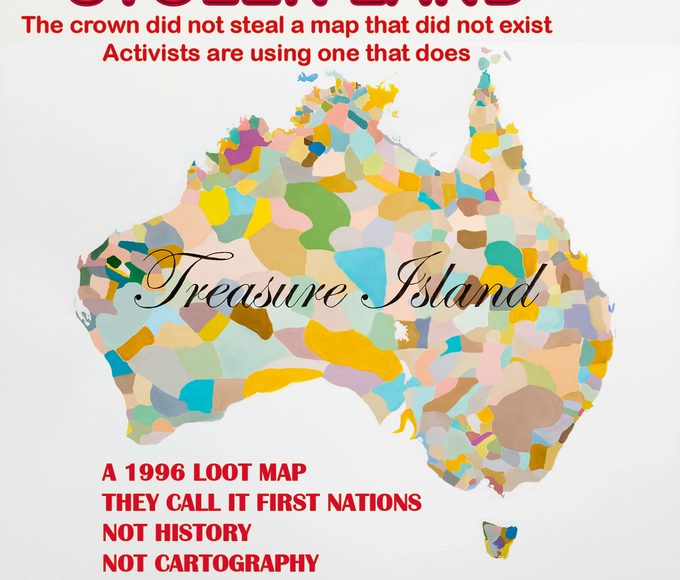
Not a history map – Not a land map – Not cartography – A political weapon for the present
David Horton’s AIATSIS map is a late-20th-century collage of language groups and...
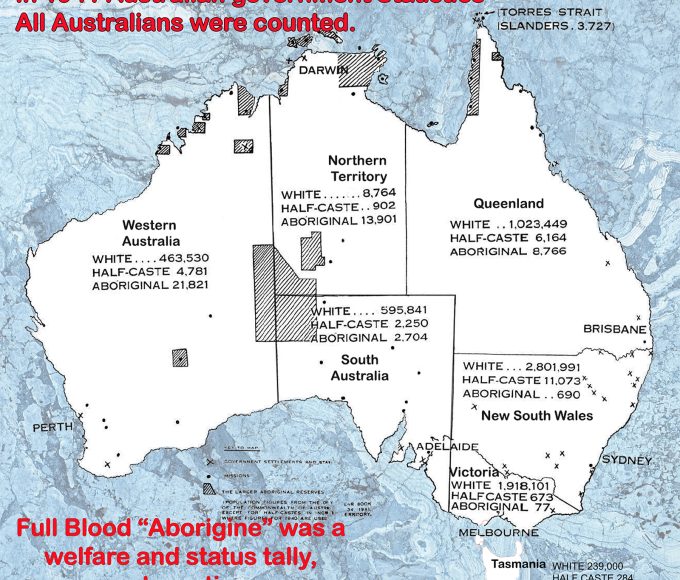
History Never Leaves Maps Alone After You Invent One Aboriginal People With the Right to Choose Their Own Status
Has any Australian parliaments ceded our country’s sovereignty to an Aboriginal nation...


Oh, Here We Go Again: Political Aboriginal Academics Claim High Court Got Australia’s Sovereignty Wrong
Sovereignty isn’t a legal footnote—it’s the bedrock everything else stands on. Because...
