A Statement from the heart
 Maria Rigoni07/05/20258 Mins read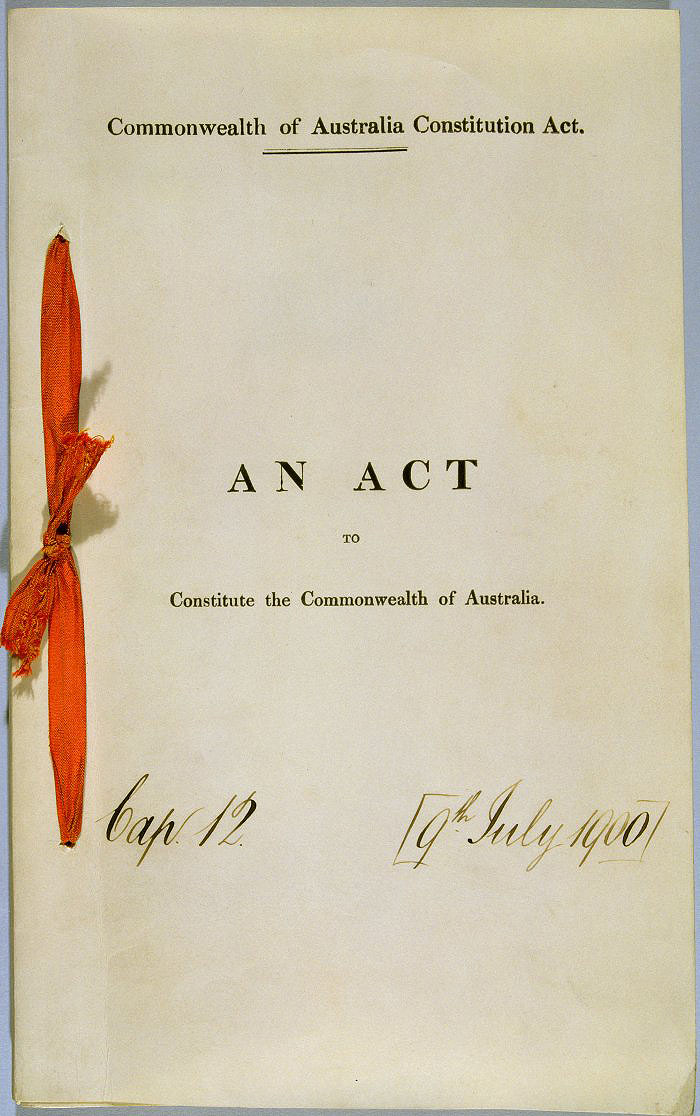
A national constitution is a set of rules for the responsible governing that country.
Let’s start at the very beginning, the word ‘native’, a noun, is defined in the English language by Merriam-Webster dictionary as:
- one born or reared in a particular place.
- an original or indigenous inhabitant.
- something indigenous to a particular locality.
- a local resident – especially a person who has always lived in a place as distinguished from a visitor or a temporary resident.
The word indigenous is an adjective and derives from the Latin noun indigena which means ‘native’.
Plain simple truth is every Homo sapiens born in Australia is an Australian native. It is their home by birth rite. Although not necessarily by the law of the land.
Many believe that to the ‘Aboriginal Race’ native people, the land is the centre of society, culture, family, spirituality, the past, present, and future. That their relationship to land is almost outside of the conceptual sphere of ‘Western Race’ or ‘Eastern Race’ peoples. Others believe having a strong connection to Gaia, to mother earth and all she offers is a common cultural relationship shared by peoples of nations around the globe and has been for as long as humans have existed on Earth.
For anyone who wants to look there is overwhelming historical evidence in museums, legends and myths, and the built environment across the globe that suggests a love and healthy respect for Mother Earth is not unique to any one human culture or point in time.
A national constitution is a set of rules for the responsible governing that nation.
The United States of America is a country whereby citizenship is enshrined in their Constitution.
Britain granted the status of British subject to the peoples of countries that had formed part of her empire. Before 1901 the present Australian States were separate colonies of the then British Empire and each state had its own constitution, government, and laws. Each had their own voting systems and franchise. In South Australia and Western Australia, women could vote, and in Western Australia and Queensland, Aboriginal peoples were specifically barred from voting.
Today, Australia is a federation, a constitutional monarchy, and a parliamentary democracy. The House of the Senate maintains the prior colonies interests as a whole, each state having an equal number of representatives in the national parliament. The House of Representatives on the other hand is the peoples house with members being chosen by the electors in proportion to number of people living in each of the prior colonies. The more populated a state is the more people representatives they have in the house.
At the birth of the Australian nation in 1901, by common law, ‘British subject’ remained the sole civic status. Indissoluble legally, all Australians were British subjects, not citizens under an Australian Act of parliament. At this point in time, all local native Australians were formally subjects of the British Queen, by virtue of being born within her realm.
In theory, and in much practice, all subjects were equal under the law and entitled to the full protection of British law. As subjects of the British Empire, and ‘citizens’ of the federation, they had multiple citizenship. The fact that the ‘Aboriginal’ native did not share various social and political rights of other citizens did not make them any less legal citizens.
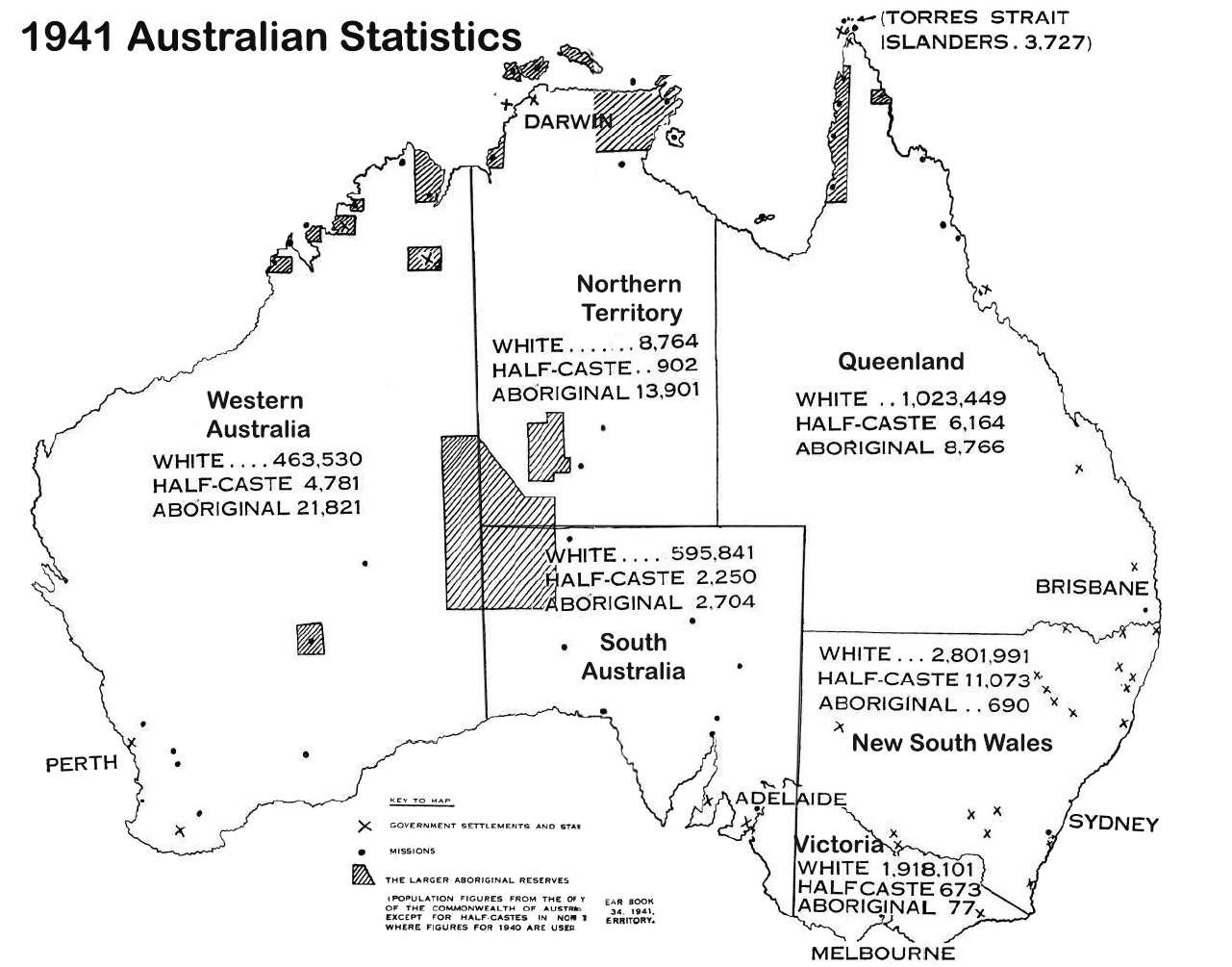
Back then a person was considered to be of a particular race if they had a ‘preponderance’ of the relevant blood and ‘half-castes’ were not counted as ‘Aboriginal natives’. It is widely acknowledged that ‘half-castes’, living in the nomadic state, were practically indistinguishable from ‘full blood’ local natives.
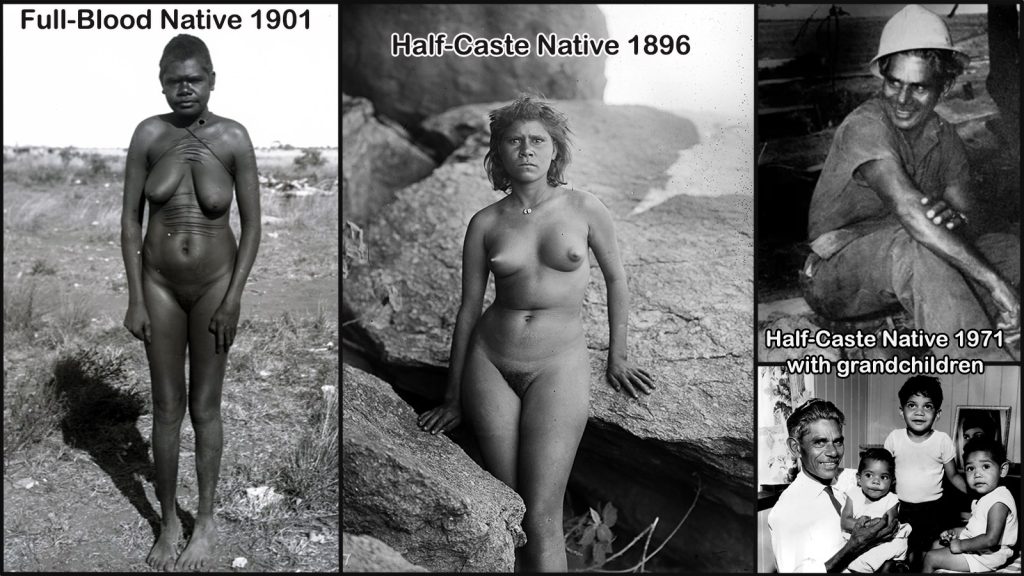
The Constitution of Australia has a special status—it cannot be changed similarly to how other laws can be changed, and it is a supreme law, that is, it overrides other laws. At its core the law is about the Australian people choosing the national Parliament, with the consequential expectation that the Parliament democratically represents their nation of people in a quest for peace, prosperity, and happiness. A vision of unity so the people of Australia would have national protection and could live a good life.
The position of Prime Minister and the group of senior Ministers called the Cabinet are not mentioned anywhere in the constitution and reference is made only to the ‘people of the Commonwealth’.
Initially ‘Aboriginal natives’ or women were not counted in the reckoning of population numbers for the purpose of proportionality, that is determining how many people representatives there were in the house. Therefore, the exclusion of ‘Aboriginal natives’ or women from these constitutional calculations had no impact on personal legal rights or entitlements.
Remembering the Australian federation is a joining together of previous British colonies, simply put the House of Representatives is the structure representing the national population covering national interest topics. Membership to the House is about proportionality. Dividing up the respective number of people permanently residing in each State to represent communities within the overall constitutional community.
The Australian Senate as the second House of Parliament was in part modelled after the United States Senate. Members are elected to represent a state or territory rather than a constitutional community. All proposed laws must be passed by both houses. The Senate shares the power to make laws with the House of Representatives except that it cannot introduce or amend proposed laws that authorise expenditure for the ordinary annual services of the government or that impose taxation.
Under the Constitution, each state of the Australian federation, irrespective of its population, has an equal number of senators. The Constitution intended to give less populous states added voice in a federal legislature to ensure the more populated states did not take advantage of the less populated states.
The reference members being chosen by ‘The people of the Commonwealth’ relates to the election of a representative, in a designated area, by individuals with a legal right to vote, who reside in that designated area at a specific point in time. If the state men and women lived in gave them the legal right to vote then local natives had the legal right to vote in federal elections. Whether they were aware of their right is another subject of discussion.
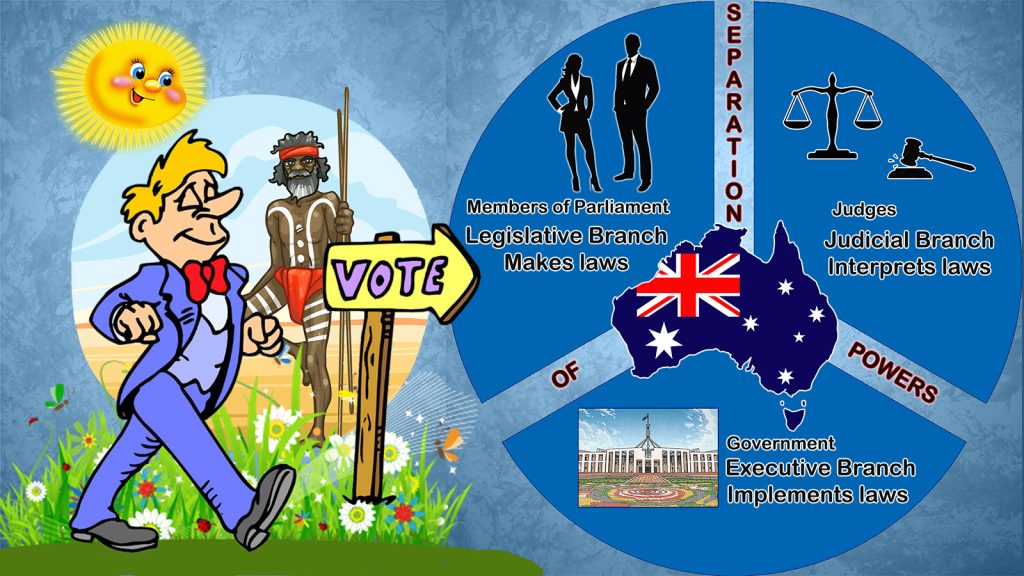
Some who want disunity will say without justification that that wording in the constitution deliberately excluded ‘native’ people said to have a natural birthright to ownership of the land stolen from their ‘sacrosanct’ museum artifact genealogy. That the blackfella was here first and has a superior ancestral connection to the Australian continent than the whitefella who should therefore relinquish everything they have acquired since invasion day. Here we see again the fruitful native hunter and first past the post mentality. Winning the prize without having to purchase a ticket in the lottery and all that represents is the focus of this mindset.
Regardless, not one of the dissenters was born in the years the constitution was given life to. What they are really displaying is their hunter-gather tribal belief that caused Albert Namatjira and David Gulpilil so much grief and sadness in their life.
Any exclusion in the framework of the constitution was of a symbolic nature, as it did not directly affect any legal rights of any Australian native, or their descendants, such as having the federal right to vote. At the birth of the Australian nation the welfare of ‘full blood’ Australian natives was decided to be a concern of the colony they resided in rather than the federal government. This decision was overridden in the 1967 referendum which brought the social security of all Australians under the guide of the federal government.
We are Australian and from all the lands in the world we have come. Australian citizenship formally establishes membership in the national community. It is the basis of legal recognition with one national flag, one national anthem, one national language, and a national vulnerability to political whim.
Citizenship in Australia is fixed by legislation and not a constitutional right and has a complex and confusing history. In 1948, Australian citizenship did not exist. All people born in Australia travelling overseas were issued with ‘The motherland’ British passports as the people were considered to be British subjects. British subjects visiting Australia generally possessed full political rights, but only those with permanent residence were considered Australians.
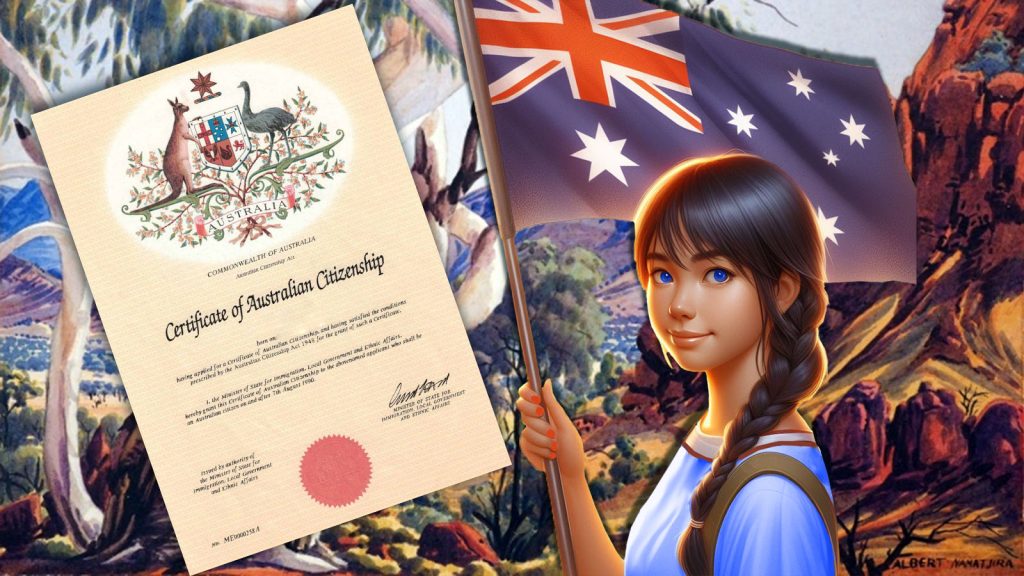
The Nationality and Citizenship Act 1948 coined the term ‘Australian citizen’ and commenced on Australia Day, 1949. Australians became both Australian citizens and British subjects and remained British subjects until that status was abolished in 1984.
The 1948 citizenship law introduced the principle that Australians belonged to Australia, rather than to Britain. Individual Australians (no exclusions) from Australia Day, 1949, were recognised as citizens of their own country. Australia’s citizenship legislation has been amended over 30 times since 1948.
Immigrants were expected to assimilate into Australian society as much as possible, and Australian citizenship was offered to aliens as an incentive to do so. The acceptance of Australian citizenship was seen as an indicator of their successful assimilation of their social, political, and cultural absorption into the mainstream community. On Australia Day in 1949, seven alien men were welcomed to the lucky country from Czechoslovakia, Denmark, France, Greece, Norway, Spain, and Yugoslavia when they swore their allegiance to Australia.
In the 1970’s a new concept of Australian national identity appeared – that of a blended integrated multicultural society. Over the last five decades we can see that instead of inclusion working exclusion has gained momentum and any Australian can visit some local shopping strips in our major cities and find it difficult to see an English language sign or speak to people who speak the Australian national language, English, fluently or at all.
Multiculturism as a political policy is a total failure. A nation must have one culture if it is to survive.
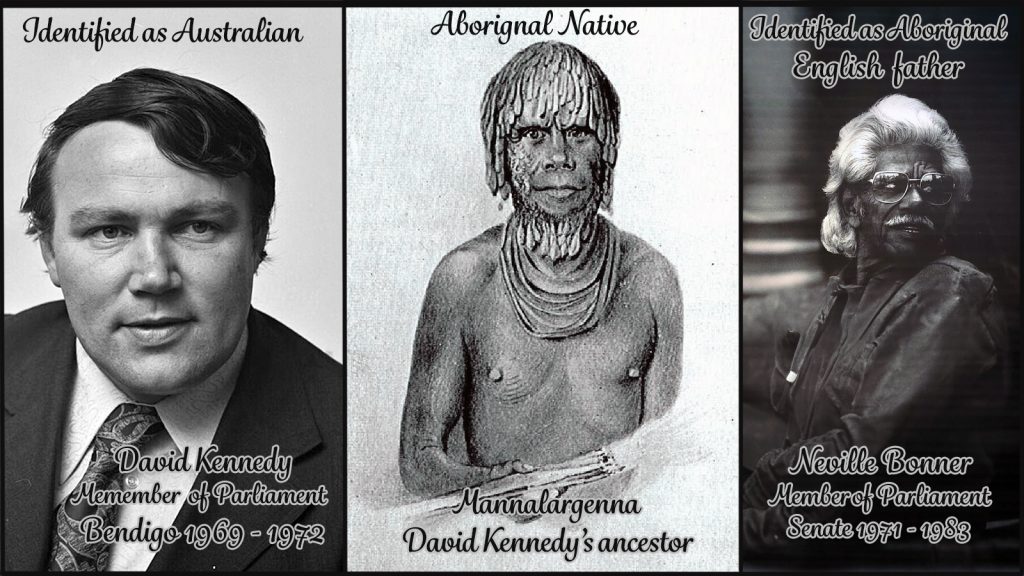
An ethic enclave can be described as a geographic area with a high ethnic concentration, characteristic cultural identity, and economic activity. In Melbourne, Chinatown or Lygon St are examples. There are also residential immigration enclaves, neighbourhoods with a concentration of strong social and cultural networks that do not stray far from the original ethnic culture. And we must not forget to include here the 200 local native remote communities. These people’s identity most often remains with their homeland and not Australia which affects attitude and increases conflict and competition, inclusion, and exclusion, (real or perceived) between groups.
Ethnic enclaves create pathways for social mobility that do not require migrants or First Nations people to adopt Australian cultural practices and they encourage movement into neighbourhoods where their ethnic majority predominates. The majority of residents share the same ethnic identity, political views, and the economic landscape is ethnically inflected, with ethnic food restaurants and other businesses.
Without assimilation and integration Australian culture and values are being lost, confused, and overridden and multicultural failures are easily seen by the growth of ‘ethnic enclaves’ in our capital cities.
Cultural diversity is the said winner. Australia is said to be a multicultural and multiracial nation reflected in the country’s food, lifestyle and cultural practices and experience. While all can learn from each other’s cultures and languages people must disperse across communities for that to happen. One suburb in Sydney, Lakemba, was reported in 2019 to have the highest proportion of Muslims in NSW.
From 1945 until 2021 , over seven and a half million people have migrated to Australia. In the 2016 census more than 75% of Australians identified with an ancestry other than Australian. About 3% identified as being Aboriginal or Torres Strait islander or both. In 2020, one in three Australians were born overseas. One in two have an overseas born parent. 21% of Australians speak a language other than English at home. More than one in two claim their official religion to be Christianity (70 different Christian denominations) and a third claim they follow no official religious dogma. No religious dogma does not equal non-Christian.
Australia’s population was 27,400,013 people at 31 December 2024.
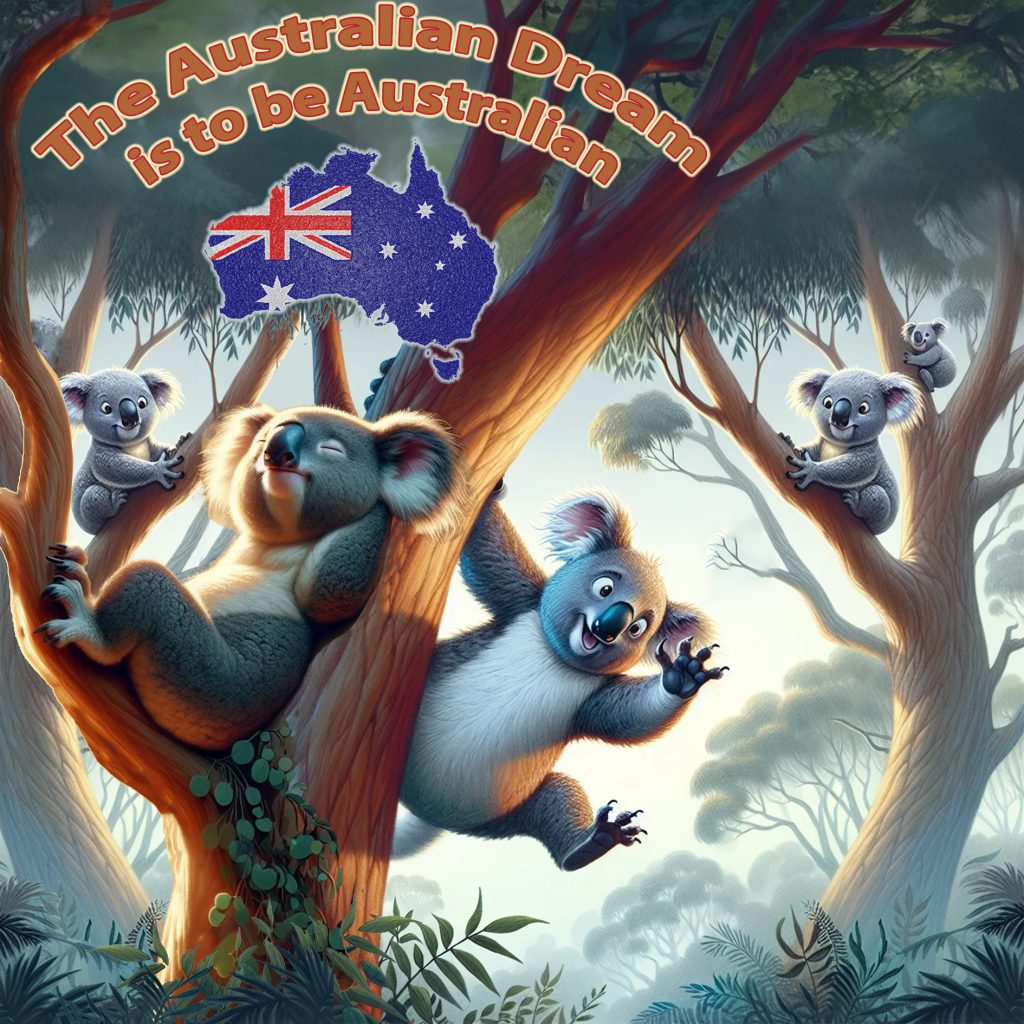
First Nations people (not Australian terminology), the mobs, around the world, made up of people who identify with native ancestral populations and their advocates make many claims about their beliefs as being culturally significant or unique to their place in the world and this is simply not fact. Pushing for a continual examination of the importance of their birthplace, their worries, and troubles as if they are the only mob in society that has had tragedy in their world.
Related Articles
Bluey’s Land, Title of Steel
They roll out a flag, and they chant at the gate,“Always was,...
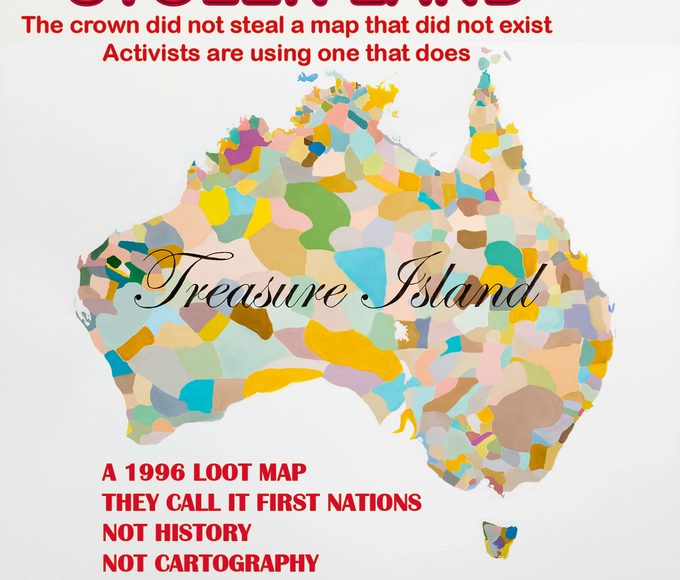
Not a history map – Not a land map – Not cartography – A political weapon for the present
David Horton’s AIATSIS map is a late-20th-century collage of language groups and...
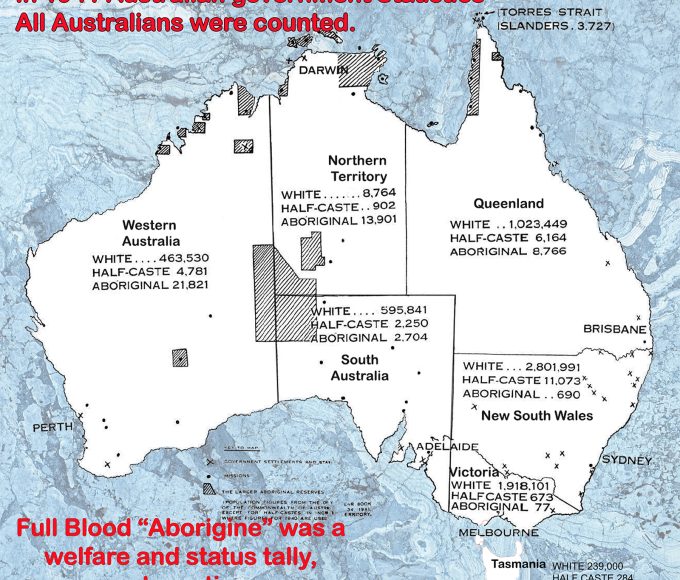
History Never Leaves Maps Alone After You Invent One Aboriginal People With the Right to Choose Their Own Status
Has any Australian parliaments ceded our country’s sovereignty to an Aboriginal nation...


Oh, Here We Go Again: Political Aboriginal Academics Claim High Court Got Australia’s Sovereignty Wrong
Sovereignty isn’t a legal footnote—it’s the bedrock everything else stands on. Because...
