
The Great Land Grab: How Political ‘Aborigines’ Are Quietly Ending Australian Sovereignty One ‘Sacred Site’ at a Time
 Maria Rigoni05/04/202613 Mins read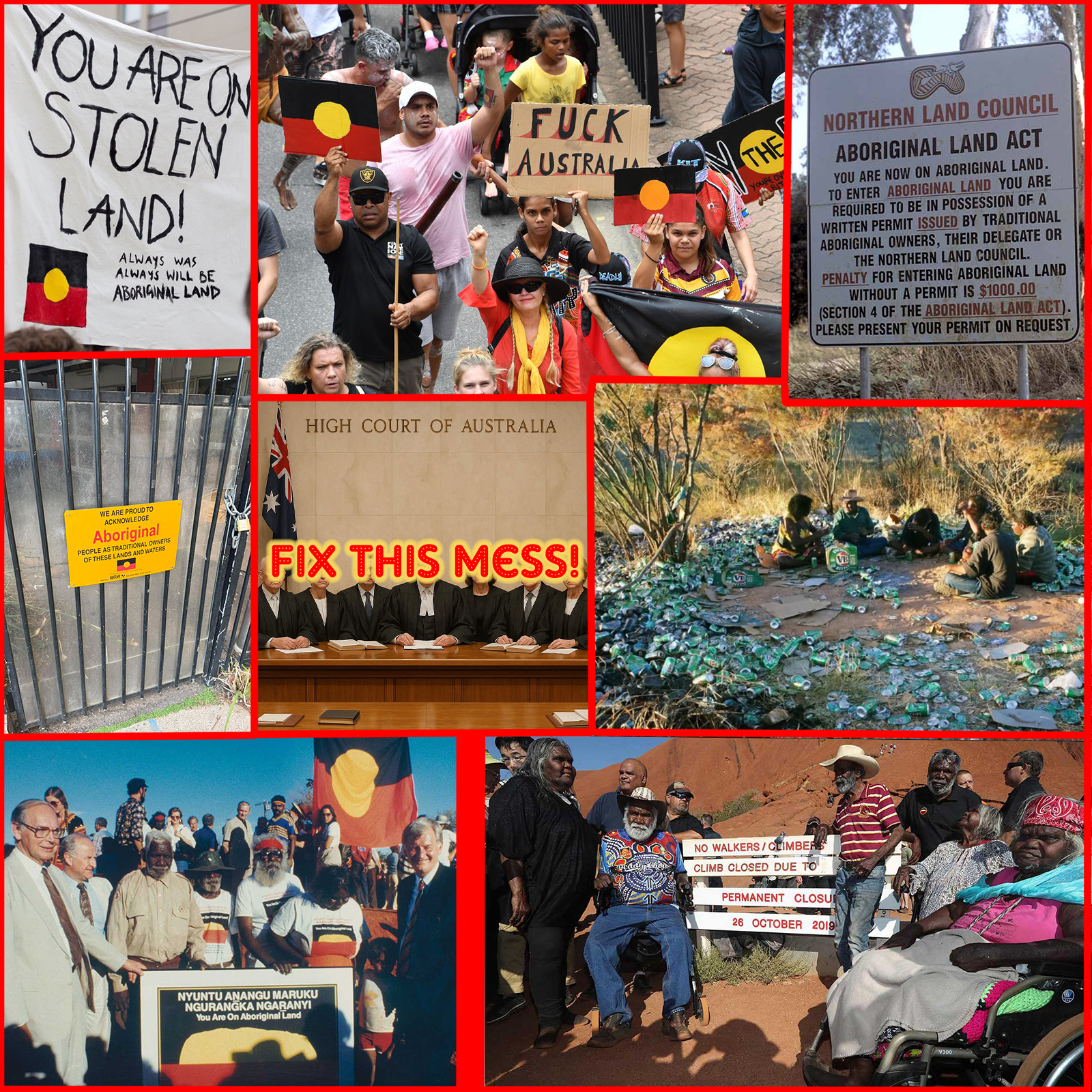
While normal Aussies are getting crushed by high rents, taxes, and a housing crisis, a loud bunch of professional political ‘Aborigines’ are secretly seizing huge slices of Crown land that actually belongs to every Australian. They wave around made-up traditions, suddenly discover “sacred sites,” and use taxpayer cash to fund lawyers who turn public land into their exclusive turf through Native Title and Land Rights. This isn’t protecting ancient culture — it’s a slow-motion legal theft that’s quietly stripping away Australian sovereignty and handing it to activists who cry racism at anyone who dares to object.
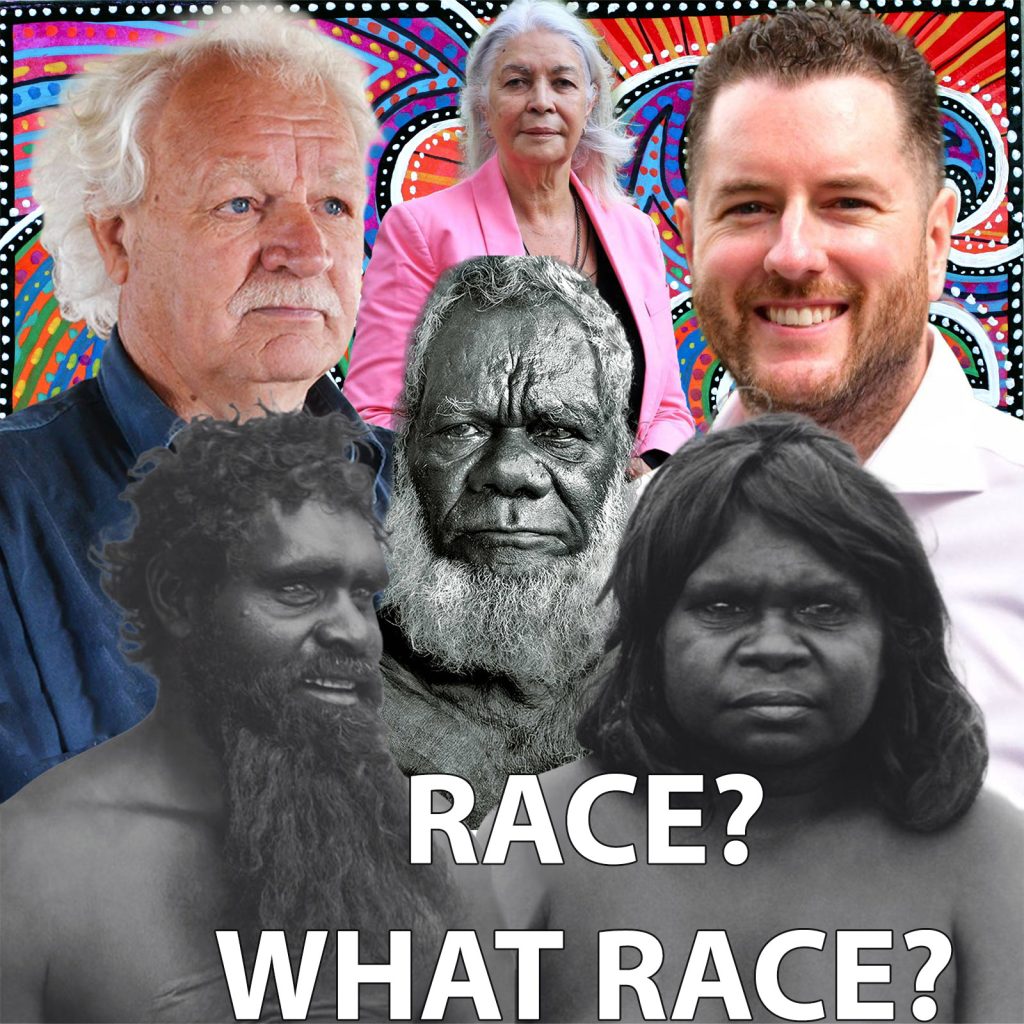
Some thoughts about “race”
19th-century settled Australia saw the concept of ‘race’ as based more on the perceived cultural background – including customs, lifestyle, religion, clothing, language, and visible “otherness”, rather than strict biological ancestry or genetics. Aborigine natives were racialised primarily for their traditional nomadic ways, lack of European style farming or settlements, and association with tribal life; Chinese gold miners for their distinct work practices, language clothing, and non Christian religions; and Afghan cameleers (mostly Muslim men from Afghanistan and surrounding regions) for their turbans, Islamic faith, dietary habits, and separate living arrangements. Even though each group included significant internal diversity in actual genealogical origins. This socio-cultural framing served to justify exclusion, segregation, and control under dominant British settler norms.
‘race’ it blended observable physical differences with strong assumptions about incompatible cultures and ways of life, rather than modern notions of DNA-based ancestry.
Some thoughts about “traditions”
“Australia has one main set of rules that everyone must follow. That’s called the rule of law. It is the same for every person, no matter your ancestorial background.
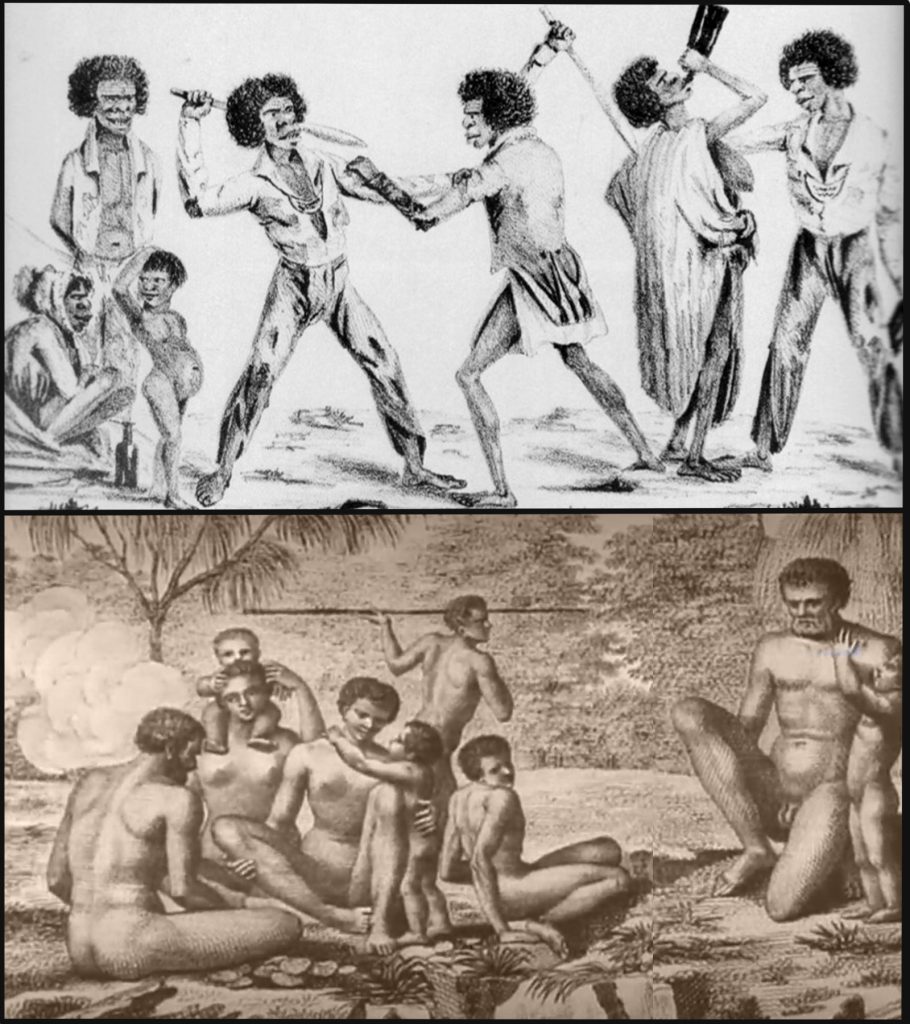
Aboriginal tribes didn’t all live some peaceful, harmonious fairy tale. Survival ruled their world in Australia’s brutal landscapes. Many groups hunted ruthlessly, sharing food only within tight kin lines, and made hard choices when things got tough – including infanticide to lighten the load during long walks. Respect for elders and “valuing life” wasn’t universal, some tribes practised payback killings, raids, and even cannibalism. Looking after each other often meant looking after your own, not the weak or outsiders.
Initiation ceremonies and Dreamtime stories taught harsh laws for a harsh life, not gentle modern ideals. Different tribes handled hunting, family duties, and elder care in very different ways, but the core was raw endurance over sentiment. It was a tough, sometimes savage existence shaped by scarcity, not the blissful tribal utopia peddled today.
Traditions today are voluntary cultural practices. That means:
- People can choose to follow them or not.
- They only apply inside their families or community if everyone agrees.
- They are not laws written down by Parliament.
- They cannot override the main Australian laws (like rules about not hurting people), protecting children, or going to court).
When some people say “Aboriginal culture should be treated the same as the rule of law,” they are mixing two different things. It’s like saying the rules inside your family home are the same as the police and courts for the whole country. That doesn’t make sense unless you want to replace Australia with an Aboriginal Nation.
The Australian rule of law is for everyone and it must stay on top. Cultural traditions may be nice and should be respected where they don’t break the big rules or hurt people. But they are not the law.
Treating them as equal is not real law – it’s just politics that some people push because it sounds nice. It can end up making things much worse, especially for women and kids who need the same protection as everyone else.
“voluntary cultural practices” means these are things people choose to do because of their culture, not because the government forces them.
Examples:
- Deciding to raise kids with certain stories or values from their culture or religion.
- Holding initiation ceremonies or following old skin group and other marriage customs.
- Showing special respect to elders.
- Using traditional healing or kinship terms inside the family.
These are not forced on anyone by Australian law. If someone in the family doesn’t want to follow them, they cannot be punished by the police or courts for refusing – unless it breaks the real law (like domestic violence or child sexual abuse).
That’s the big difference:
- Rule of law = everyone must follow it. Police and courts are meant to enforce it.
- Culture / tradition = you can follow it, but you don’t have to. It’s private or community requirement.
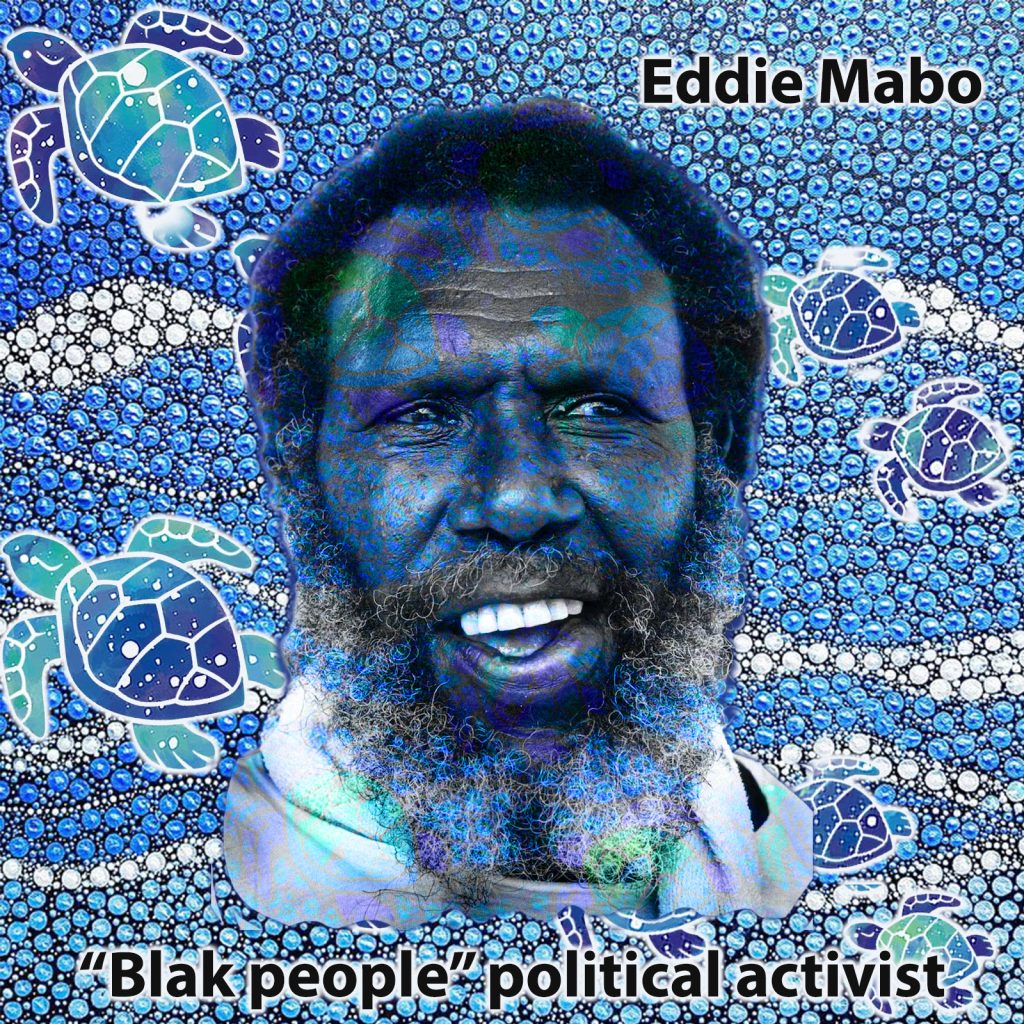
Here is a simple explanation of the two main High Court cases that relate to traditions and cultures.
The Mabo v Queensland (No 2) 1992 case:
What happened?
Eddie Mabo lived in Queensland and was a gardener at a University and after some academics had a chat with him, he decided to go to court to claim land his family had on Murray Island in the Torres Strait. A place he was born but had not returned to for 19 years.
Eddie Mabo and some Torres Strait Islander people who originated from Murray Island said: “This land has always belonged to our families under our own traditional rules. The government can’t just take it and say it was empty (terra nullius – ‘land belonging to no one’).”
What the High Court decided (6 judges to 1):
- Yes, Aborigine natives and Torres Strait Islander people had their own laws and customs about land before the British people arrived.
- The old idea that Australia was “empty land” with no owners was wrong.
- The court created something called “native title”. This means traditional land rights can still exits today if the group has kept strong connection to that land and their old ways.
Mabo only spoke about land rights (like ownership or use of certain places). It did not say “Aboriginal” culture or family traditions are a full second set of laws that can replace Australia’s normal laws. Native title sits inside Australia’s main legal system. The parliament can still make laws that limit or end native title in all cases.
While it was a big win for the political “Aboriginal” activists for land rights, it did not create two equal legal systems.
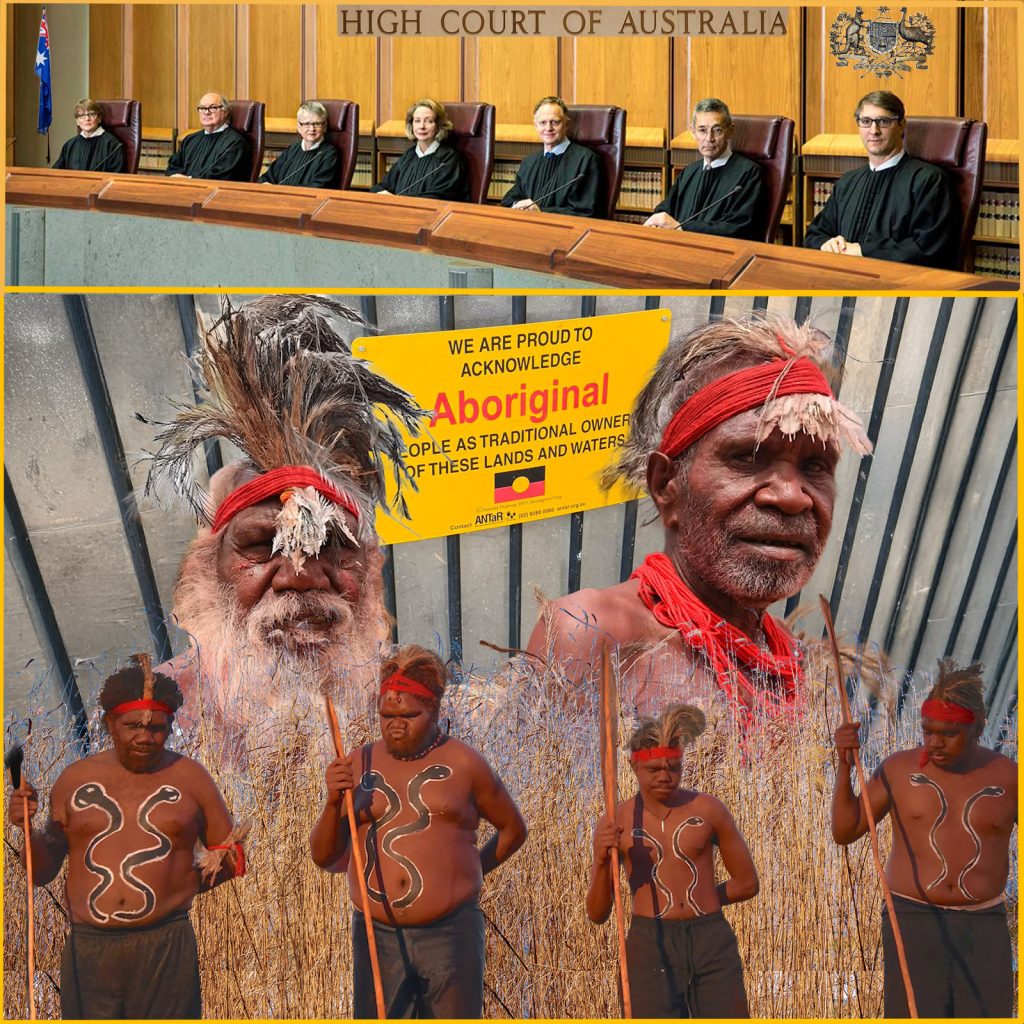
The Walker v New South Wales case (1994)
An Aboriginal man known as Denis Walker was charged with a crime under normal New South Wales law. He argued in the High Court of Australia: “Aboriginal customary law (our traditional rules) should apply to me instead. The government cannot make laws for us without our okay, and our old law still runs alongside the normal law.”
What the High Court decided:
Chief Justice Mason (the top judge at that time) threw the claim out quickly. He said:
- There is only one law that applies to everyone in Australia.
- Aborigine natives customary law (traditional family rules) does not operate as a parallel (side-by-side) legal system.
- Even if some old customary criminal law survived British settlement, the normal criminal laws passed by Parliament have overruled it.
- All people in Australia – no matter their background – must follow the same criminal law. No special exemption just because of culture or ancestry or religion.
The High Court of Australia has said “Aboriginal” traditions and family ways can be real and important, but they are not the same as the official rule of law that everyone must follow. The rule of law (one set of rules for all) should always win when there is a clash.
When someone claims “Aboriginal culture = rule of law”, they are living in a fairyland. These cases show that is not what the highest court actually ruled. It’s an extra political idea added later, not straight law applied by the judges.
A reminder about the term terra nullius
The term terra nullius means ‘nobody’s land’ or ‘land belonging to nobody.’ In legal jargon, terra nullius means ‘land over which no previous sovereignty has been exercised.’
It wasn’t until the late 20th century that the term terra nullius was used in connection to the settlement of Australia. This term was used in a way which described ideas regarding sovereignty that were already in existence from settlement.
Terra nullius is not the villain in the narrative – it’s the inconvenient truth that modern romantics desperately want to erase. For a countless number of thousands of years, Australia was not a ‘sovereign Aboriginal nation’ but a sparsely populated wilderness inhabited by diverse tribal groups living in pre-agricultural, pre-literate state with no central authority, no concept of alienable land title, and no capacity to exclude outsiders on a continental scale.
British settlement didn’t ‘steal’ a functioning country; it imposed order, law, and modernity on a land that had none in the European understanding. The current obsession with declaring terra nullius a ‘legal fiction’ or ‘racist myth’ is less history than therapy – a sentimental rewriting of the past so the “we” can feel morally superior while enjoying every benefit of the civilisation that replaced it.
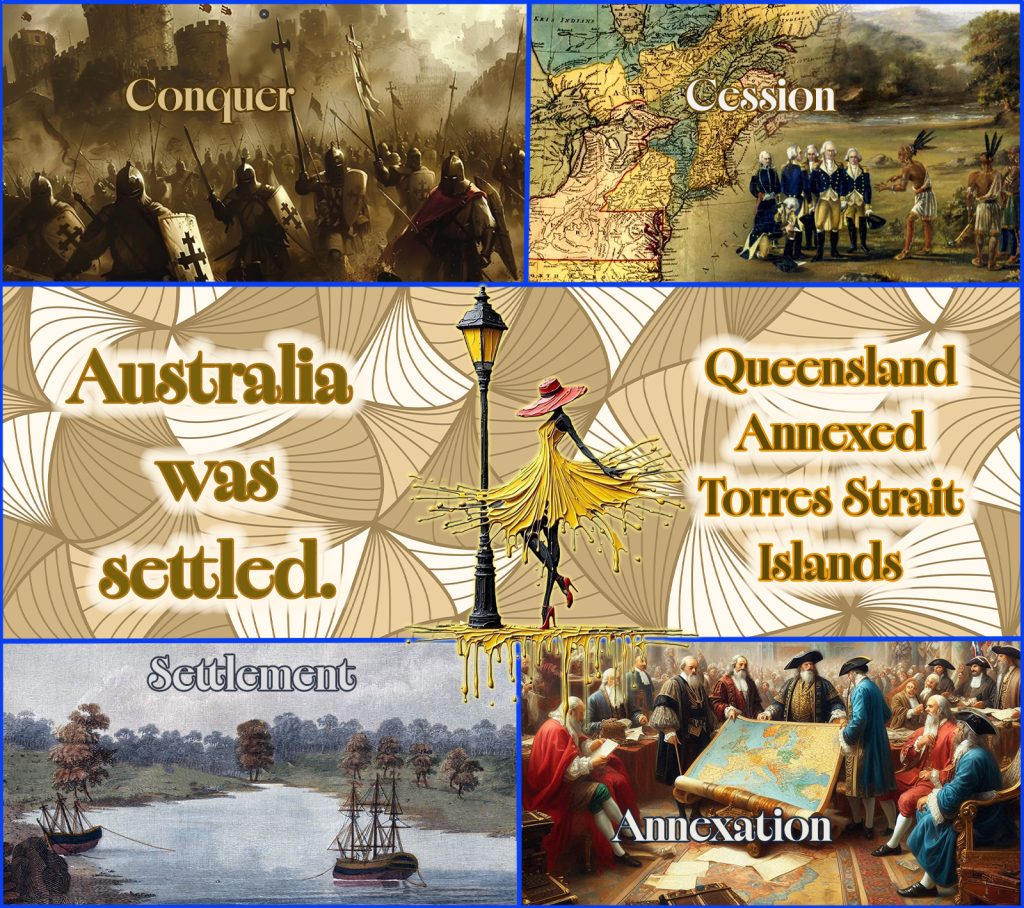
During the era of the discovery and claiming of the “New World” land there were four ways an Empire could take over:
- By conquest: sovereignty by way of force, such as through military force.
- By cession: sovereignty by means of a treaty, whereby the previous government gives power to the new government.
- By settlement of ‘desert and uncultivated land’ : sovereignty by acquisition of land currently ruled by no government or sovereign power.
- By annexation: A formal act of state where a sovereign Power formally proclaims its sovereignty over a new territory.
Australia was settled by the British Empire over more than a century of the British living on the mainland an Tasmania. The Torres Strait islands were annexed to the British colony of Queensland via proclamation between 1872 and 1879.
Native title rights are a modern legal concept and are created by legislation in a country’s parliament.
Native title rights in Australia did not exist prior to 1992 technically this means they should have been automatically extinguished when Australia was settled and made into one nation by Federation in 1901.
A made up legal concept that incorporates the following Key Characteristics:
- Source of Right: Native Title is not a grant from the government; it arises from pre-existing traditional laws and customs recognised under Australian Common law invented by the High Court of Australia in 1992 and the Native Title Act 1993.
- “Bundle of Rights”: described as a collection of specific rights rather than full legal ownership (freehold).
- Inalienable: Native title cannot be sold or transferred; it can only be surrendered to the Crown or extinguished.
- Communal: it is held by a community group rather than individuals.
Real native aborigines from the old days on the Australian mainland and Tasmania got zero benefit from this modern invention of legal ‘Native Title’ poppycock.
Today, the only ones cashing in are people who suddenly decide to call themselves ‘Aboriginal’ just to grab free money and special perks from the government.
That cash comes straight out of normal Australian taxpayers’ pockets.
Regular Aussies — both the ones whose families have been here for generations and the ones who moved here legally — get none of these handouts.
It’s just a giant taxpayer-funded scam for people playing the political Aboriginal card.
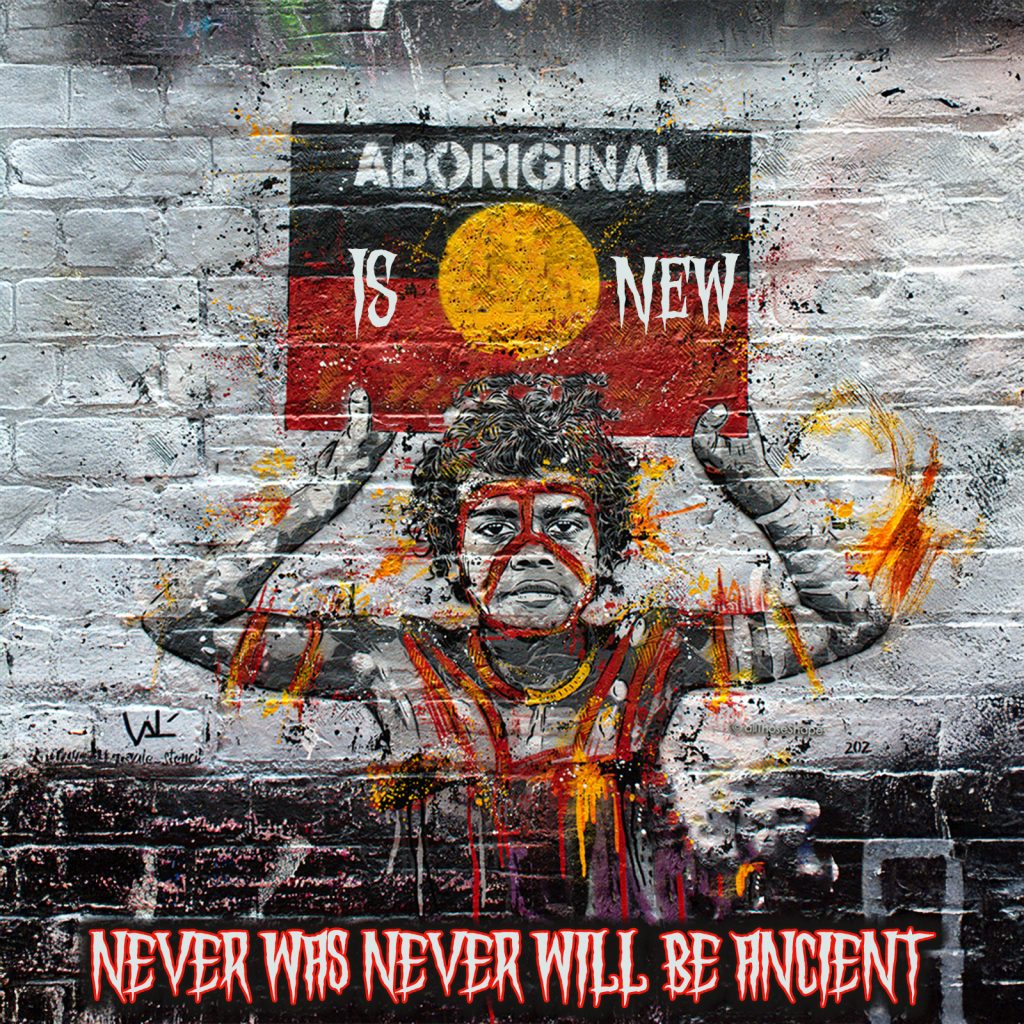
Common rights includes:
- Access and use: The right to live, camp, and travel across the area.
- Traditional Activities: Hunting, fishing, and gathering food or resources like water and medicinal plants.
- Cultural Protection: Maintaining and protecting claimed to be sacred sites and performing ceremonies.
- Procedural Rights: A ‘right to negotiate” regarding certain developments (like mining) on the land.
In my opinion, handing over the right to camp anywhere, hunt, fish, gather, protect ‘sacred’ sites, perform ceremonies, and force negotiations on mining and development only to people who play the political ‘Aboriginal’ card is straight-up racist favouritism that screws over every other Australian, breeds massive resentment, and tears the country apart by creating two classes of citizens on the same land.
Types of Native Title
- Exclusive Possession: The right to posses and occupy an area to the exclusion of all others, usually only recognised on vacant Crown land. Do you understand? The Crown land that is owned by all Australians. Land that the government of they day is supposed to hold in trust for her people.
- Non-Exclusive Possession: Rights that co-exist with other interests, such as pastoral leases. In these cases, the other land user’s rights take priority if there is a conflict.
Exclusive possession means these political ‘Aboriginal’ activists get to lock down huge chunks of land and kick every other Australian out completely, like it’s their private kingdom – and this only happens on empty Crown land that used to belong to all of us. Non-exclusive possession is the sneaky version where they share the land with farmers and miners on pastoral leases, but the moment there’s any fight, their special rights still get to muscle in and cause chaos while the real owners get shoved aside. It’s all taxpayer-funded racism dressed up as ‘justice’.
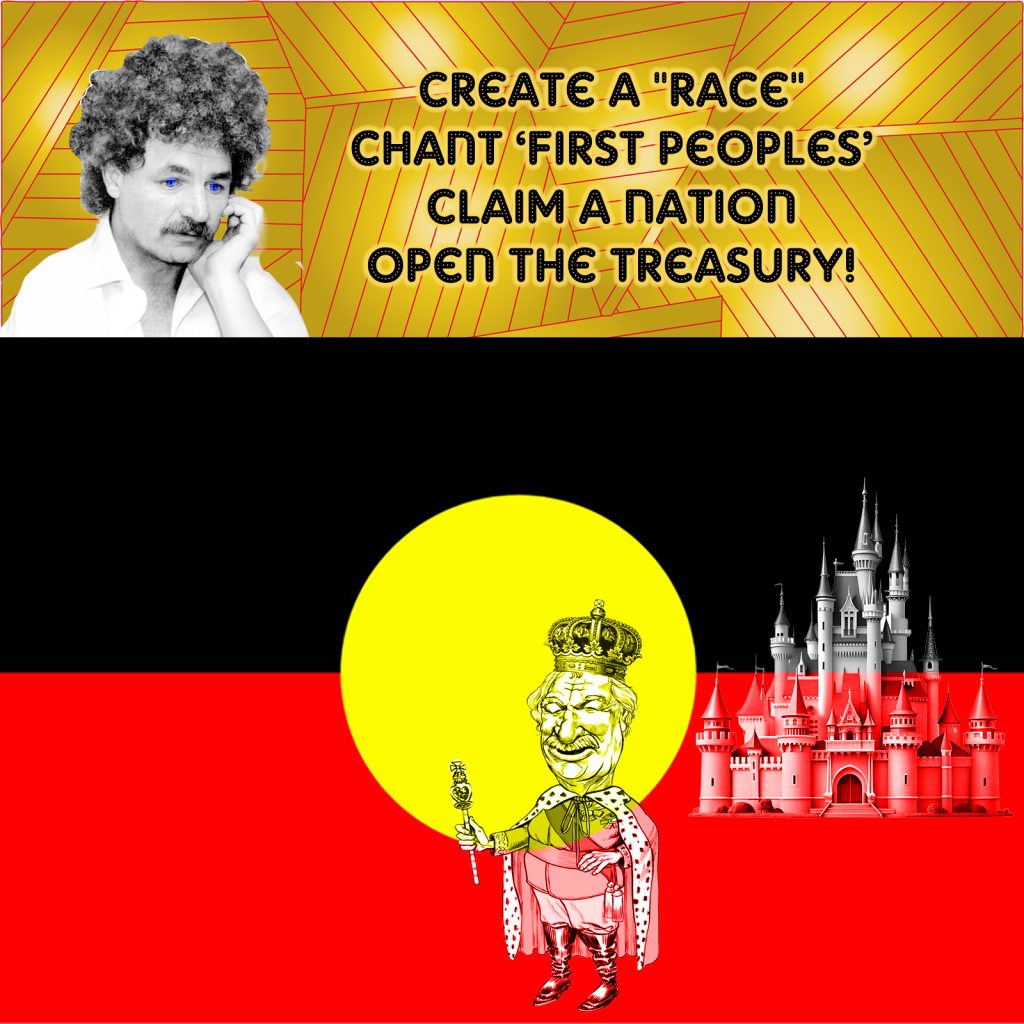
All this legal bullshit is handing over chunks of Australia’s sovereignty that our own parliaments gave away to a bunch of loud-mouthed political activists who never lived the old way. They’re quietly building a roadmap to steal Crown land that belongs to every single Australian and turn their so-called ‘native title’ into straight-up freehold title through the back door. Once that happens, normal Aussies lose forever while these professional victims own the joint and laugh all the way to the bank.
It is not right that judges are the ones who decide exactly how much “change” is too much before a culture is no longer “traditional.” The “tide of history” is the specific legal phrase used that served as the foundation for how native title claims are defeated in Australia.
That specific phrase comes from Justice Gerard Brennan in the landmark Mabo v Queensland (No2) decision. He argued that if the traditional connection to the land has been broken, it cannot be revived. He wrote:
“When the tide of history has washed away any real acknowledgement of traditional law and any real observance of traditional customs, the foundation of native title has disappeared.”
Justice Brennan first dropped the “tide of history” line in the Mabo (No 2) case to set the rules for native title. But it became really famous when the court used it in the 2002 Yorta Yorta case to completely knock back the Yorta Yorta political Aboriginals claim.
The judges basically said British settlement had come in like a massive tide and washed away their traditional connection to the land forever.
In plain English, the law now says: If political ‘Aboriginal’ people cannot prove they kept following their old laws and customs non-stop from the moment the British took over Australia right up until today, then their native title is gone for good. Once that connection gets broken by history, the court says you cannot just bring it back.
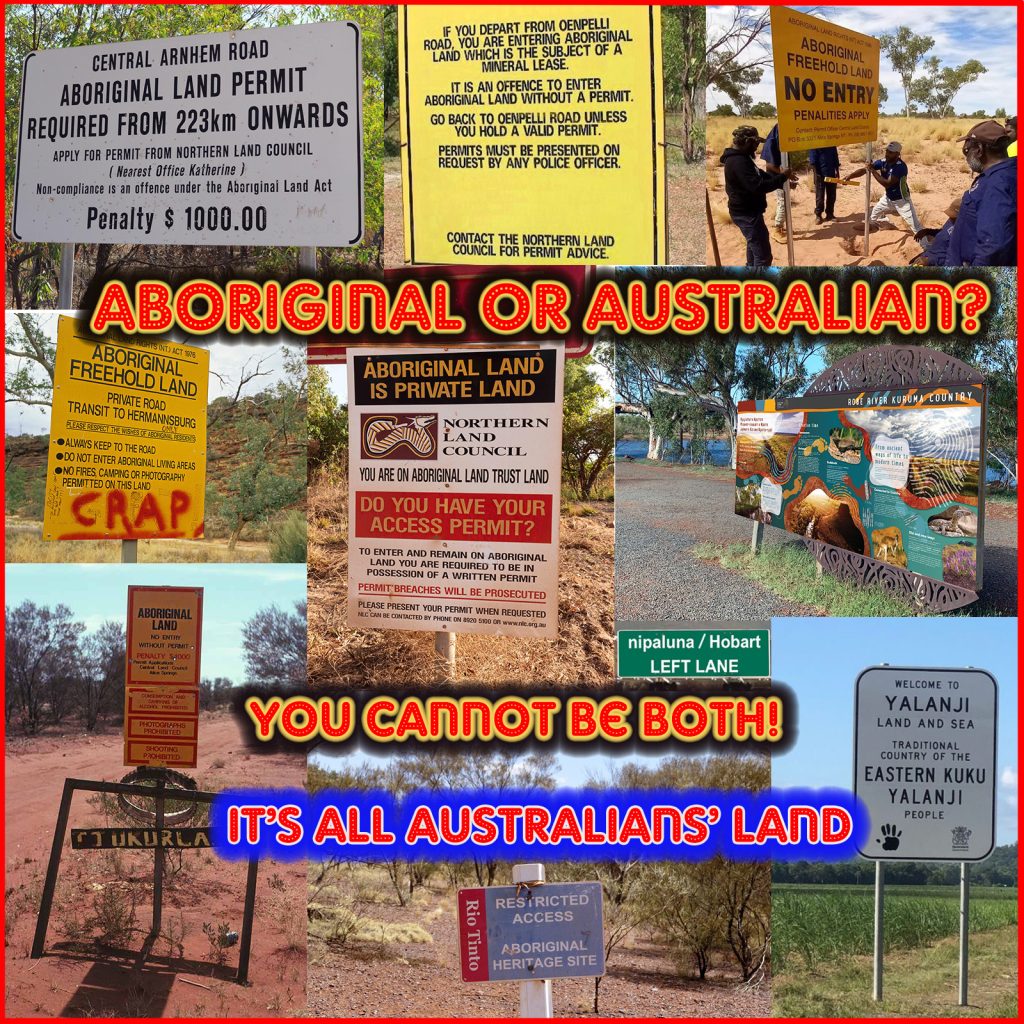
Since the big Mabo (No 2) and Yorta Yorta rulings, modern activist Aboriginal groups have changed their game. Native title claims are no longer just about proving they still exist on the land. Now it’s mostly about squeezing big compensation payouts and pushing for sovereignty. Importantly, these modern Aboriginals are not a genuine race anymore – they have become a forceful political group. The ‘tide of history’ is still a tough legal barrier that washes away weak claims, but recent court decisions have opened the door wider, letting these political Aboriginals demand even more from the Australia people.
The “Tide of History” vs. Assimilation
The legal debate centres on whether a group has assimilated, meaning have they moved into the “modern way” and abandoned the old way or have the adapted meaning they kept the old laws but used new tools.
Under the Native Titles Act, 1993, a claim should fail if the court decides the “tide of history” has indeed washed away the connection. This can happen in two ways:
- Loss of Knowledge: If the mob no longer knows their traditional language, stories, or the specific boundaries of their country because they were forced into missions, or reserves, or moved to cities for education and work.
- Loss of Observance: if the mob no longer follows the traditional rules of social hierarchy or marriage customs, and instead lives entirely under the common law system as individual citizens. In the Yorta Yorta claim it was found that the claimants lived along the Murray River. They were highly organised, but the High Court ruled against them because: They had been displaced from their land in the 19th century. They had adopted farming and “European” lifestyles to survive. The court found that the “tide of history” had washed away their continuity of their traditional laws.
No reasonable man would believe that there is any mob since the 1990s that were not now living in a modern community, not a traditional society practicing the same laws as their ancestors in 1788.
Native title only exists in Australia because the High Court changed common law in 1992. Before Mabo (No2), the law was clear: the Crown owned everything. In this court proceeding Justice Dawson argued that when the British Crown claimed sovereignty over Australia, it acquired absolute ownership of all land, in his view, any traditional rights that existed before 1788 were immediately extinguished the moment the Crown took over, unless the Crown specifically chose to recognise them.
Justice Dawson concluded that since the Crown never signed a treaty or passed a law recognising native title in the 18th or 19th centuries, it simply did not exist in the eyes of Australian law. He did not believe that aborigine natives held a “title” or “property right” as understood by the common law. Instead, he described their presence on the land as permissive occupancy – meaning they were there because the government allowed it, but the government could withhold that permission at any time without paying a cent.
A major part of Justice Dawson’s dissent was about the role of the judge. He argued that the question of how to treat aboriginal land interests was a political and social issue for the Parliament to decide, not for unelected judges to “discover” 200 years later. He believed the High Court of Australia was overstepping its bounds by rewriting two centuries of settled property law. He surveyed the history of Australian settlement and concluded that the consistent policy of every colonial government was to treat the land as entirely belonging to the Crown. To him, this historical “fact” was more important than modern anthropological theories about ancient legal systems.
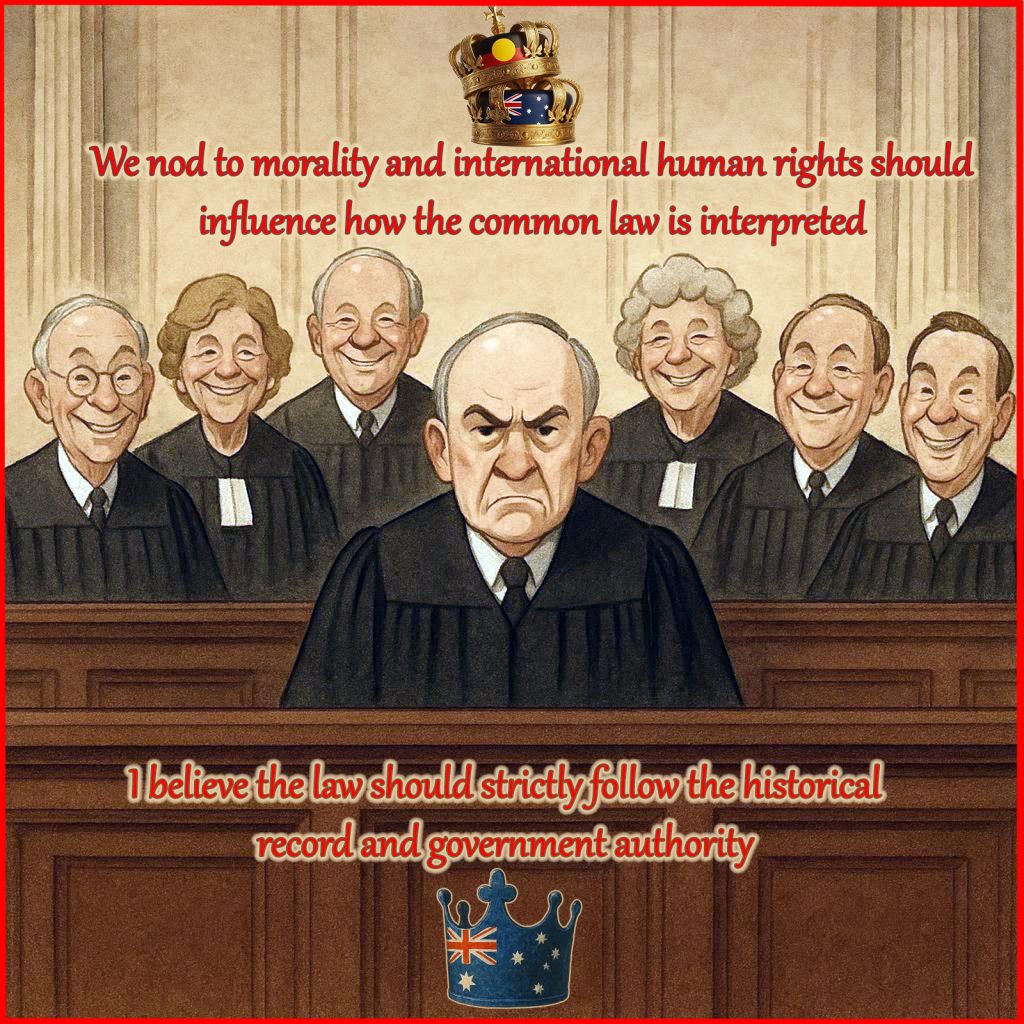
Justice Dawson lost the argument because the other six judges felt that continuing to ignore aboriginal occupancy was “unjust” and “discriminatory” by modern standards. The six-judge-team effectively decided that morality and international human rights should influence how the common law is interpreted, whereas Justice Dawson believed the law should strictly follow the historical record and government authority.
Bottom Line
In my opinion it is time for every parliament across Australia to wake up, grow a spine, and put an immediate end to this modern made-up political nonsense. Native Title is not ancient justice – it is taxpayer-funded scam that is quietly stealing Crown land from all Australians and handing special rights, cash and power to a noisy minority of professional “victims” who scream racism the moment anyone says no. Politicians must scrap the whole divisive system, treat every Australian as equal under the law, and stop selling out the silent majority who actually built and pay for this country. Enough is Enough – no more two-class citizenship, no more land grabs disguised as culture. Demand your Members of Parliament acknowledge the will of the Australian people and kill Native Title and Land Rights now before there is nothing left of real Australia.
A High Court challenge is desperately needed right now because the original guardrails set in Mabo, Yorta, Yorta, and Ward – the strict “tide of history,” unbreakable continuous connection from 1788, and limited “bundle of rights” that could be washed away by settlement – have been quietly gutted by later rulings and activist friendly lower courts. The 2025 Yunupingu decision super-charged everything by declaring native title is protected constitutional “property,” forcing the Commonwealth to pay massive “just terms” compensation even for old acts, opening the floodgates to billions in taxpayer-funded payouts. Then the Davey Federal Court ruling slammed home the new reality: $54 million-plus handed over for “cultural and spiritual hurt” alone on the McArthur River Mine – way more than the actual land was worth – proving these political “Aboriginals” can now extract compensation that dwarfs real estate value without ever needing physical presence on country.
Throw in state bypass deals like Victoria’s settlements, in Noongar land grab, over 3.5 million square kilometres already under native title control, and the Australian Law Reform Commission’s ongoing review that wants to have political Aboriginal activist mobs even stronger veto power over mining and development, and you’ve got a full-scale sovereignty sell-out.
Lower courts and the uni-party are bending the law to treat modern political lobby groups as unbroken traditional societies, letting “stories and songs” revive washed away claims while everyday Aussies foot the bill for lost jobs, higher costs, and chunks of their own country being locked up. Only the High Court of Australia can slam the brakes on this by revisiting and enforcing the tough original tests before the giveaway becomes irreversible and Australia’s real sovereignty is gone for good. Time is running out – this fight has to hit the top court NOW.



Related Articles
Oh, Here We Go Again: Political Aboriginal Academics Claim High Court Got Australia’s Sovereignty Wrong
Sovereignty isn’t a legal footnote—it’s the bedrock everything else stands on. Because...

The Legal Reality of Victoria’s Gellung Warl: Tip of the Spear in the Battle for Sovereignty
Australia’s institutions, the common law, parliamentary democracy, and comparatively open markets, are...
Why Can’t an Everyday Aussie Buy a Block in Beautiful Beagle Bay? Aboriginal Land Rights, Mate – ‘No Entry’ to Everyday Aussies!
Australian taxes build ‘Aboriginal Land’… then the political Aboriginals charge you to...


The Great Betrayal: How a High Court Rewrite is Resurrecting Feudalism in Australia
Australia’s founding promise was simple: one law for all. But a radical,...
